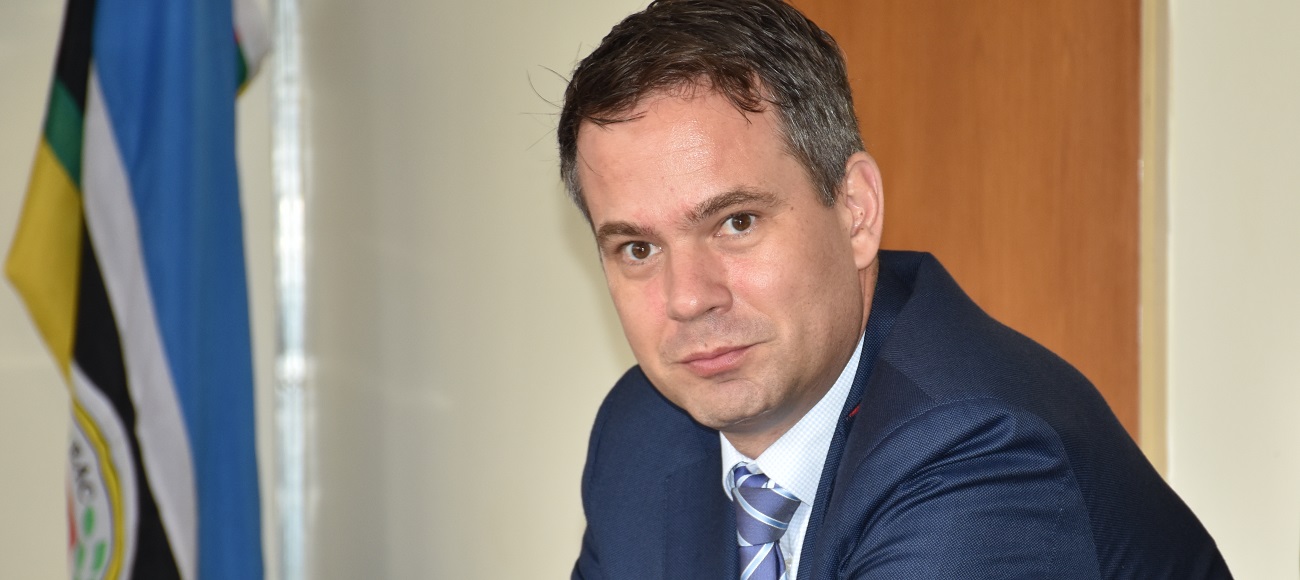
It is now slightly over three years since AB InBev took over from SABMiller in Uganda. What has been happening? What has changed? How strong are you now as a business compared
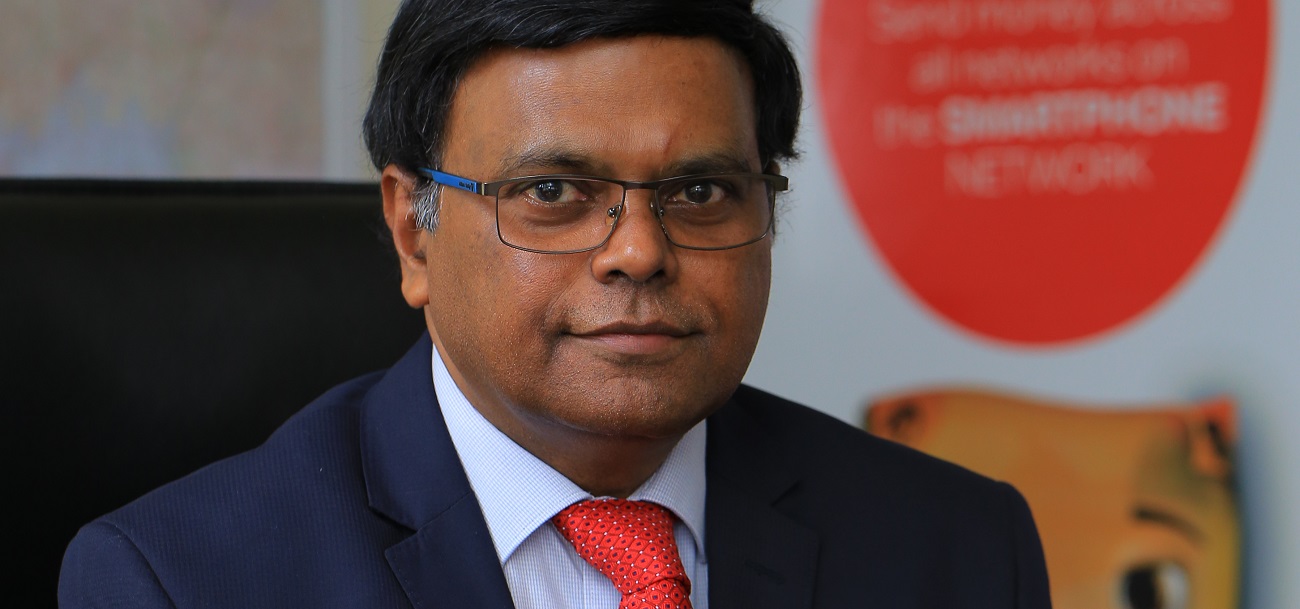
First of all, let us start with a review of 2019. How would you summarise it in terms of the industry and for Airtel Uganda in particular? I think 2019 has been a year of investment? In 2019, Airtel invested
By Sola Adebawo Africa’s energy challenge is not a shortage of resources. It is a shortage of governance that works. The continent holds some of the world’s richest solar potential, vast wind
By Yunus Mugula From land to lasting wealth. Financial markets are opening financially inclusive pathways to income, security, and opportunity for every Ugandan. For decades, Uganda’s investment story has been defined by
There is a proverb, often recited but rarely understood: what the eye sees can deceive the mind, but what the mind refuses to question will govern the future. It is an uncomfortable
Phillip Karugaba (left) and Shaidu Mafabi are Ugandan legal practitioners: Karugaba is a leading corporate and commercial lawyer and Executive at ENSafrica Uganda, widely recognised for advising on complex, high-value transactions across mergers and acquisitions, capital markets, infrastructure, and energy, while Shaidu is an Advocate of the High Court of Uganda, a legal blogger, and a prominent rule of law commentator.
By Shaidu Mafabi and Phillip Karugaba The High Court of Lesotho recently delivered a remarkable judgment. In Teboho Mojapela v Speaker of the National Assembly, the court directed Parliament to enact conflict
Meera Ruparelia Swearing In. Ms. Ruparelia assumes the role following the untimely passing of her brother, the late Rajiv Ruparelia, whose influence was instrumental in redefining Victoria University’s identity as a progressive, innovation-driven institution.
Victoria University has announced the appointment of Ms. Meera Ruparelia as the Representative of the Directors to its University Council, marking what the institution describes as “a new chapter of leadership” in
By Ankit Jangla, Bruno Kalibbala and Bruno Edwin Amanya In the last four articles, we looked at income tax, VAT, stamp duty, and excise duty. Now, we look at the other bills,
By Ankit Jangla, Bruno Kalibala, and Bruno Edwin Amanya The Value Added Tax (Amendment) Bill, 2026, represents a strategic effort by the Government of Uganda to modernise tax administration and foster a
By Ankit Jangla, Bruno Kalibbala and Bruno Edwin Amanya The Ugandan tax landscape is on the brink of a significant transformation. With the tabling of the Income Tax (Amendment) Bill, 2026, the
Phillip Karugaba (left) and Shaidu Mafabi are Ugandan legal practitioners: Karugaba is a leading corporate and commercial lawyer and Executive at ENSafrica Uganda, widely recognised for advising on complex, high-value transactions across mergers and acquisitions, capital markets, infrastructure, and energy, while Shaidu is an Advocate of the High Court of Uganda, a legal blogger, and a prominent rule of law commentator.
By Philip Karugaba and Shaidu Mafabi As Ugandan Advocates, we have watched with a mixture of admiration and envy as our Kenyan neighbours conduct their judicial appointment processes in the full glare
Phillip Karugaba argues that while Uganda’s proposed Protection of Sovereignty Bill 2026 is grounded in a legitimate desire to safeguard national interests, its sweeping scope risks stifling investment, constraining business activity, and undermining fundamental freedoms—ultimately doing more harm to the country’s economic and constitutional stability than the foreign influence it seeks to control.
The Ugandan government is considering a draft Protection of Sovereignty Bill 2026 (the “Bill”), which proposes sweeping restrictions on foreign influence over domestic policy, governance and public affairs. While the stated aim,