

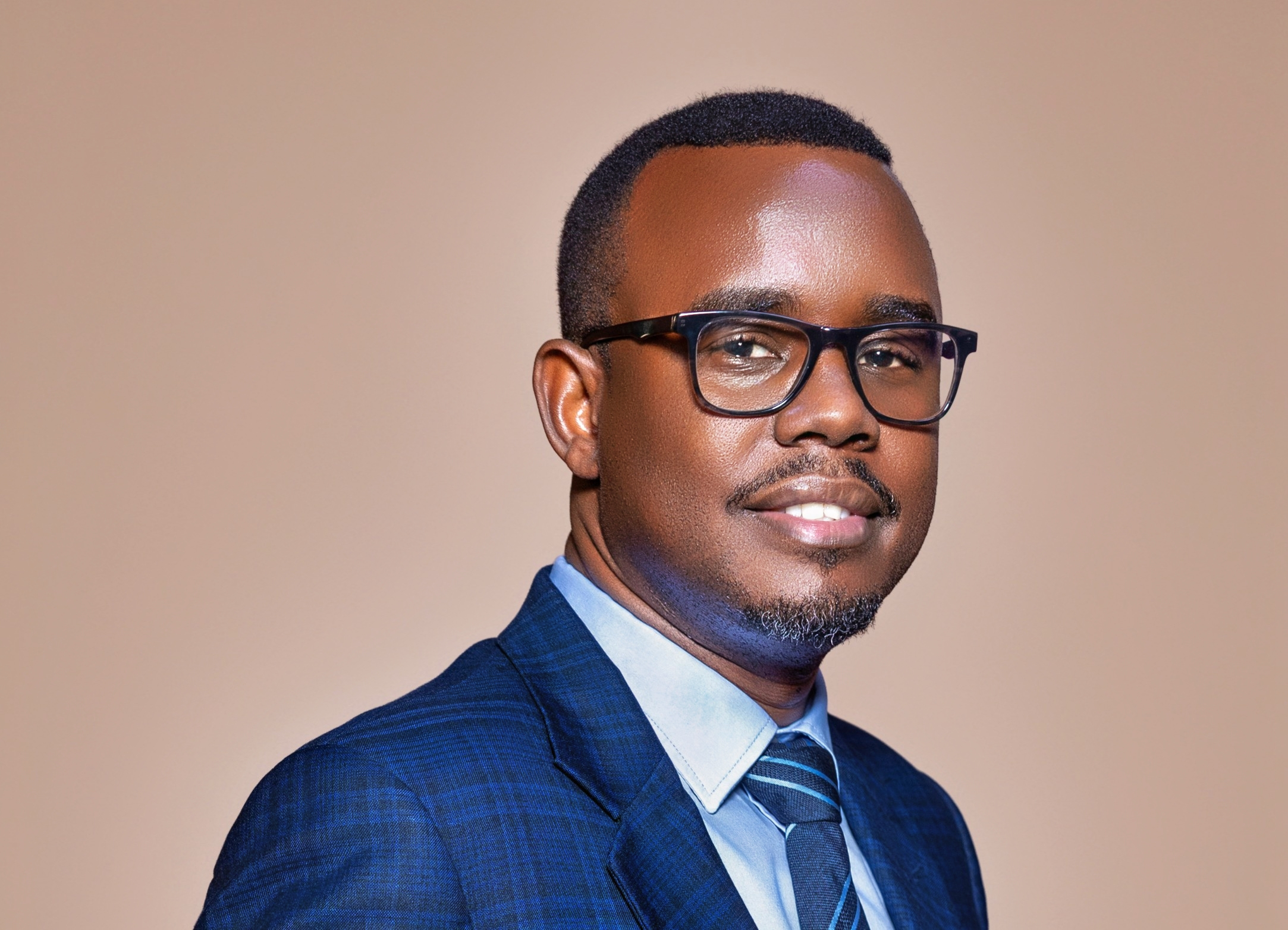
By Yunus Mugula
From land to lasting wealth. Financial markets are opening financially inclusive pathways to income, security, and opportunity for every Ugandan.
For decades, Uganda’s investment story has been defined by a familiar instinct: land is king. It is tangible, visible, and deeply embedded in our cultural understanding of wealth.
Today, I see a structural shift underway; one that is steadily redefining how Ugandans build, preserve, and grow their wealth.
Our financial markets, once considered shallow and peripheral, are maturing into a credible destination for long-term capital. This is not merely optimism. It is grounded in real and measurable progress.
Uganda recently climbed to become one of Africa’s top-performing financial markets because of its openness and product diversity. Behind this rise are deliberate structural reforms.
The introduction of long-term government bonds which span 20 and 25 years has fundamentally changed the investment landscape. These instruments are not just funding tools for government, they are benchmarks that anchor long-term pricing and investment across the entire economy.
Even more transformative is the development of new products. Uganda’s debut sovereign Sukuk, designed to finance strategic infrastructure like the Standard Gauge Railway, signals our readiness to tap into entirely new pools of capital, both domestic and global.
This is how markets deepen through innovation and inclusion. Yet perhaps the most profound shift is not institutional. It is behavioral.
Historically, real estate was the primary avenue of investment because it is tangible, visible, and understandable. The downside to it is the land rich but cash poor trap.
Liquidity is one of the greatest weaknesses of real estate because of its indivisibility. If you own a piece of land worth UGX 100 million and suddenly need UGX 1 million for an emergency, you cannot sell a corner of that plot.
You are forced to sell the whole asset, a process that can take long and eat up to 10 percent of your value in brokerage and legal fees.
However, we are witnessing a fundamental shift as our financial markets evolve. Today, financial instruments like Government Securities offer a superior strategy for wealth preservation and growth.
One of the key advantages of Government Securities is their superior liquidity. Because they are actively traded in the secondary market and structured in small units of UGX 100,000, investors have the flexibility to liquidate precisely what they need, when they need it, often within the same day.
Returns in the current market are equally compelling. Treasury Bonds are offering returns as high as 16 percent per annum.
To put that in perspective, at that rate an investor recoups their entire initial principal in less than seven years.
Very few physical developments in the current Ugandan rental market can boast that kind of payback period once you factor in maintenance, property taxes, and vacancies.
Cashflow predictability is perhaps the most compelling argument for an investor.
A Treasury Bond is essentially a contract with a bi-annual interest payment. You know the exact date and amount you will receive every six months, determined the moment you invest. For an individual or institution with inconsistent income sources, this predictability is invaluable.
Despite these advantages, there is often a perception that financial markets are complex and risky for the average investor. This is simply not true.
Think of a Treasury Bond as an agreement to lend the Government. When you buy a bond, you are lending your capital to the Government of Uganda to provide public goods.
In return, the Government pays you interest, called a coupon, every six months, and returns your principal at maturity.
The key to investing in bonds is opening a Central Securities Depository (CSD) account, which is essentially a digital ledger for your bonds maintained by the Bank of Uganda.
At Pearl Bank, we simplify access to these instruments. Opening a Central Securities Depository account is straightforward and supported through our client channels.
It typically involves a simple two-page form available at any of our branches. With a passport photo and a copy of your National ID, the process is completed quickly, and accounts are often opened within a day.
Pearl Bank recognises that every investor has a unique objective and risk tolerance.
Through our impact-led Wendi digital platform, we are enabling Ugandans at home and in the diaspora to mobilise savings and participate more actively in formal financial markets.
By integrating world-class remittance solutions such as Western Union, Transfast, and MoneyGram directly into our digital ecosystem, we have been able to pool capital across borders and channel it into productive use for Ugandans.
Within this ecosystem, we also actively offer Government Securities, namely Treasury Bills and Treasury Bonds, designed to meet short, medium, and long-term investment objectives.
In addition, we provide Fixed Deposit Accounts with competitive interest rates, ensuring that investors have access to a range of instruments that suit different financial needs and time horizons.
Importantly, accessibility is no longer a barrier. With a minimum investment amount of UGX 100,000, these instruments are within reach for every Ugandan.
At the core of our approach is a simple but important principle: wealth is personal, and investment solutions must therefore be tailored to risk tolerance, liquidity needs, return expectations and predictable cashflow.
You do not have to navigate financial markets alone. A professional advisor can help you define your goals and build a strategy that works for you.
Looking ahead, the outlook is exceptionally strong.
Uganda stands on the brink of significant economic transformation, driven in part by the anticipated first oil. This milestone is expected to attract substantial capital inflows, create jobs, and increase household incomes.
At the same time, continued commitment from the Ministry of Finance, the Bank of Uganda, and the Capital Markets Authority is reinforcing efforts to lay the foundation for more resilient markets and investor confidence.
In a world defined by geopolitical tensions, market volatility, and shifting economic cycles, investors are increasingly seeking the ability to access their money when needed, a competitive return, and consistent income.
Financial markets deliver all three. This does not mean abandoning traditional assets altogether.
Diversification remains essential. Real estate still has a place in a well-balanced portfolio. But financial instruments provide the flexibility that physical assets cannot.
They allow investors to respond to opportunities, manage risk, and maintain liquidity without dismantling their entire wealth structure.
The author is Pearl Bank’s Chief Treasury & Markets Officer.







Follow