As Uganda approaches the long-anticipated milestone of first oil, it does so at a moment of profound contradiction in the global energy narrative. On one hand, the world is accelerating toward a low-carbon future, with growing consensus around the need to scale renewable energy.
On the other, recent geopolitical shocks, including tensions in the Middle East, have once again exposed the fragility of global energy systems and the enduring centrality of oil to economic stability.
If the global economy were truly ready to transition at pace, this would have been the moment. Instead, what we have witnessed is a sharp reminder: oil remains deeply embedded in the architecture of global growth. It is within this context that Uganda’s energy journey must be understood.
A balanced path in a polarized debate
In the years leading up to first oil, Uganda’s ambitions have faced strong resistance from sections of the international community, particularly around investments such as the East African Crude Oil Pipeline (EACOP). Critics have argued for an accelerated pivot away from fossil fuels.
These concerns are not without merit. Climate change is real, urgent, and demands decisive global action. However, the pathway to a low-carbon future is neither linear nor uniform. For emerging economies, especially in Africa, the transition must be pragmatic, sequenced, and inclusive.
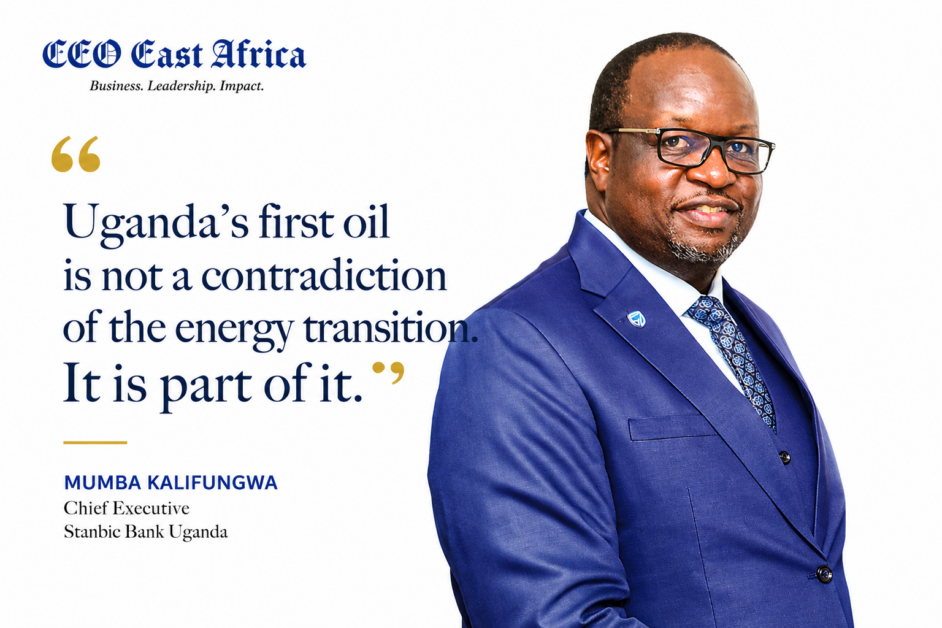
At Stanbic Bank Uganda and by extension Standard Bank Group, our position has been consistent: support a just and patient energy transition, one that invests in the future of renewables while recognising the present-day role of fossil fuels in unlocking growth, industrialisation, and energy access. Uganda’s first oil is not a contradiction of the energy transition. It is part of it.
From resource extraction to economic transformation
The true measure of Uganda’s oil and gas sector will not be the number of barrels produced, but the extent to which it catalyses structural transformation across the economy.
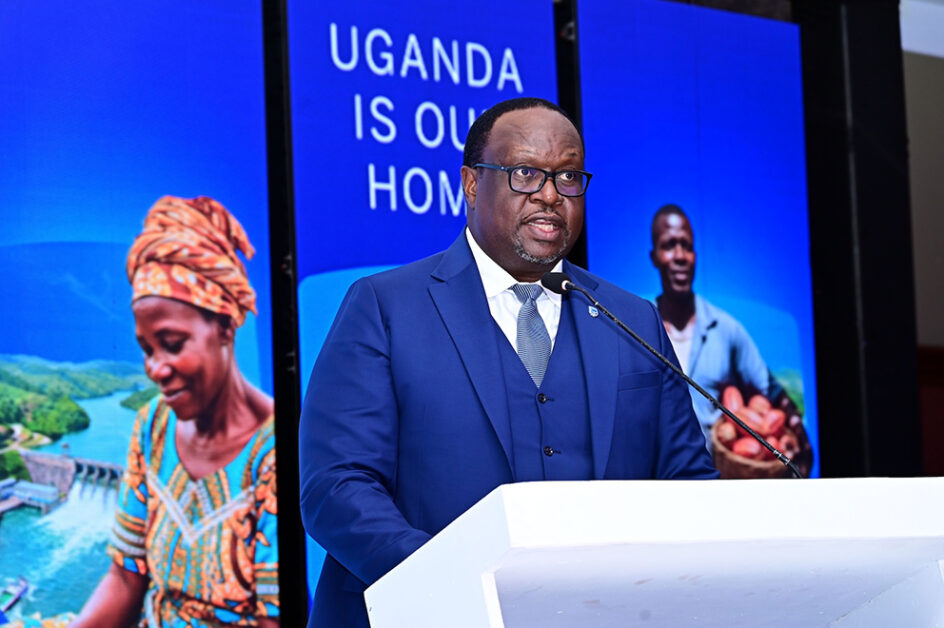
At Stanbic, our commitment to projects such as EACOP is anchored in our purpose: “Uganda is our home, we drive her growth.” This is not merely about financing infrastructure; it is about enabling a broader ecosystem of value creation.
Through the establishment of a dedicated Oil and Gas Department, we have built the institutional capability required to support a complex and highly regulated sector. More importantly, we are working to ensure that the economic benefits of oil extend beyond extraction.
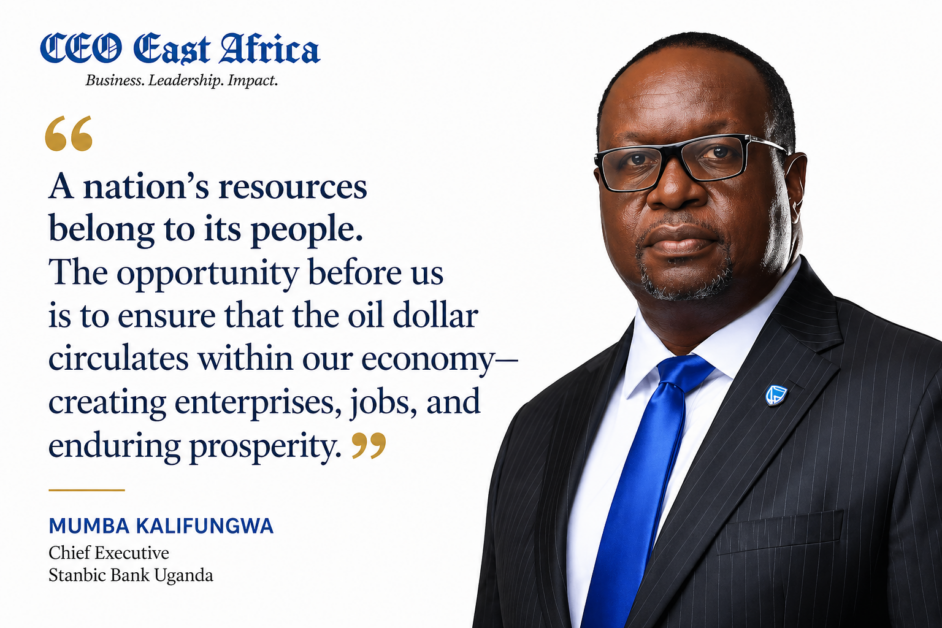
“A nation’s resources belong to its people. The opportunity before us is to ensure that the oil dollar circulates within our economy, creating enterprises, jobs, and enduring prosperity.”
Building local capacity for lasting impact
Local content remains central to this ambition. Through the Stanbic Business Incubator Limited (SBIL), in partnership with the African Development Bank, more than 200 Ugandan enterprises have attained internationally recognised ISO certification.
This is a critical step in transforming local firms from peripheral participants into competitive suppliers within the oil and gas value chain. This is how resource wealth becomes national wealth.
There is no doubt that oil presents a significant economic opportunity. The International Monetary Fund projects that Uganda’s GDP growth could rise sharply with the onset of production.
Yet history offers clear lessons: without strong institutions and prudent financial management, resource wealth can introduce volatility.
Stanbic’s role, therefore, extends beyond capital provision. We provide risk management, transactional banking, and advisory solutions designed to help both public and private sector players navigate price fluctuations, manage foreign exchange exposure, and build long-term resilience.
Our platinum sponsorship of the annual Oil & Gas Convention, organised by the Uganda Chamber of Energy and Minerals in partnership with the Ministry of Energy and Mineral Development and the Uganda National Oil Company, reflects our belief that sustained dialogue is essential to sector maturity.
As the industry transitions from planning to execution, collaboration between government, investors, and local enterprises will be critical in ensuring that Uganda fully realises the promise of first oil.
Beyond first oil
Energy independence is not an endpoint; it is a foundation. Uganda’s first oil should be viewed not as a departure from the future, but as a bridge to it. Revenues generated today can, and must, be reinvested into renewable energy, infrastructure, and human capital to power the next phase of growth.
The global energy transition will take time. And until it is fully realised, oil will remain a central pillar of economic activity.
Uganda is stepping into that reality with clarity and conviction. At Stanbic Bank, we are proud to stand with the nation, financing its energy future and helping to shape it. We are not just banking the oil. We are banking on Uganda.
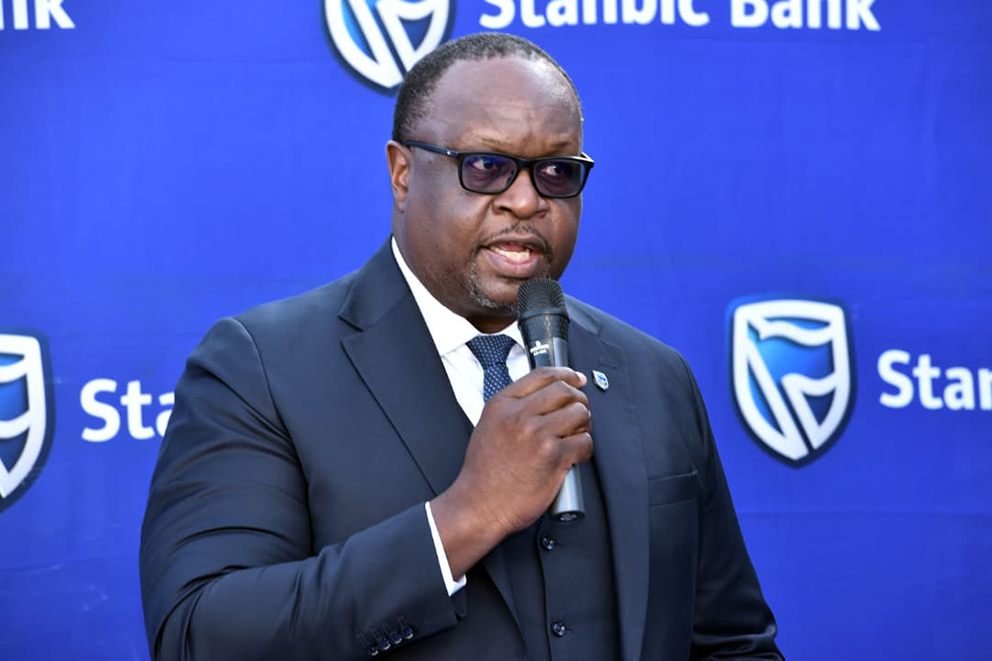
The author is Chief Executive at Stanbic Bank Uganda, a member of the Standard Bank Group.