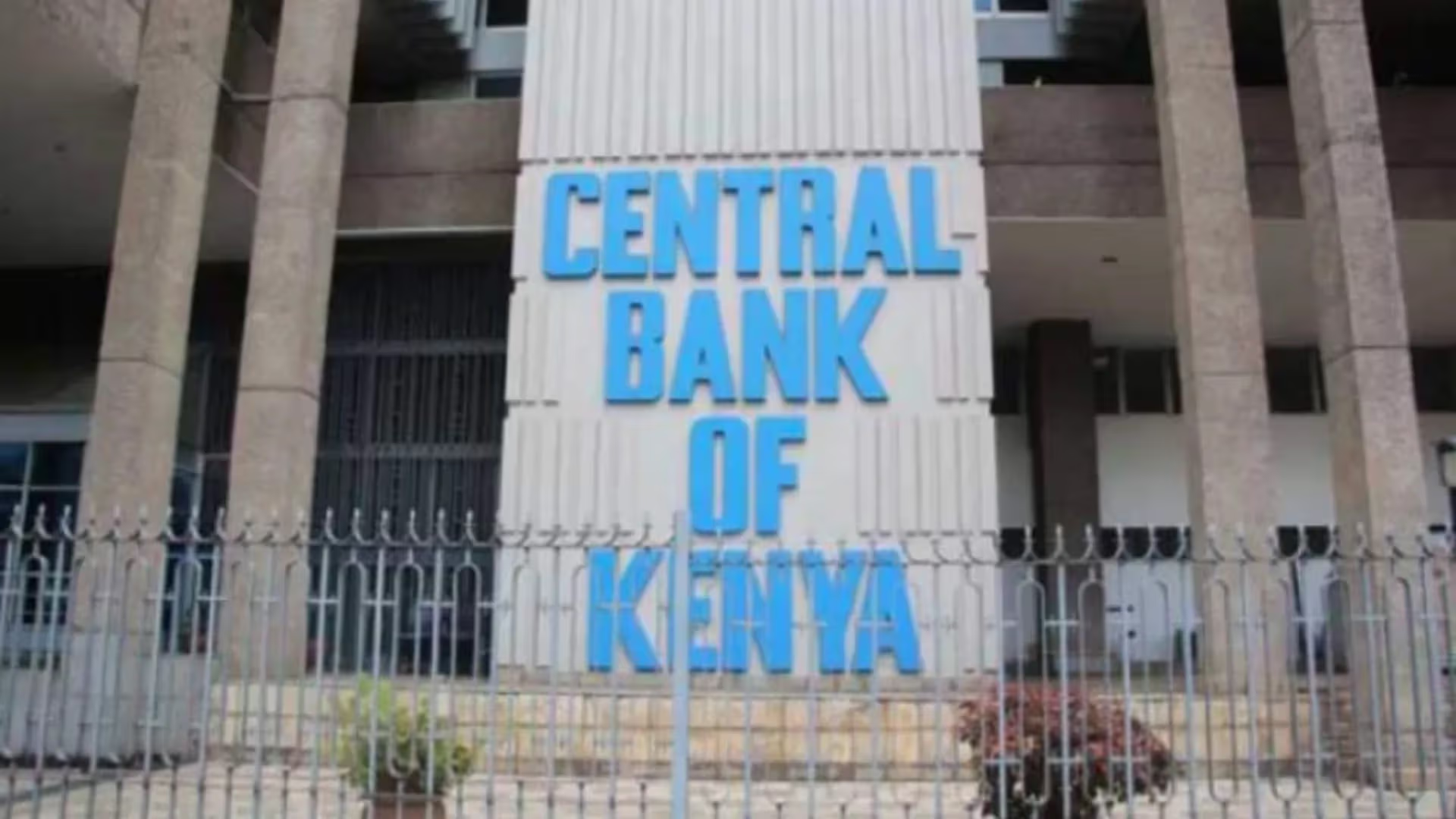
The Central Bank of Kenya (CBK) has taken another decisive step in regulating the fast-growing digital lending sector, announcing the licensing of 32 additional Digital Credit Providers (DCPs). This brings the total number of licensed operators to 227, reinforcing Kenya’s position as a regional leader in formalizing digital financial services.
The move, announced on April 14, 2026, is part of CBK’s ongoing efforts under Section 59(2) of the Central Bank of Kenya Act to bring order, transparency, and consumer protection to a sector that has seen explosive growth—and significant controversy—over the past decade.
A Maturing Digital Lending Ecosystem
Since the licensing framework was introduced in March 2022, CBK has received over 800 applications from digital lenders seeking regulatory approval. The central bank has adopted a rigorous review process, focusing on business models, governance structures, and consumer protection mechanisms.
This latest round follows the licensing of 42 providers in December 2025, signaling a steady and deliberate approach to approving market entrants.
Digital lenders in Kenya primarily operate through mobile platforms, including USSD and smartphone applications, offering a wide range of products such as:
- Short-term personal loans
- Business financing
- Education loans
- Asset financing
- Development loans
As of February 2026, licensed DCPs had collectively disbursed 7.5 million loans valued at KSh 133.5 billion (approximately USD 1 billion), underscoring the sector’s critical role in expanding access to credit—especially for underserved individuals and small businesses.
Strengthening Consumer Protection
CBK’s regulatory push is largely a response to widespread public concern over the conduct of unregulated digital lenders. Complaints have ranged from exorbitant interest rates and hidden fees to aggressive debt collection tactics and misuse of personal data.
By enforcing licensing requirements, the central bank aims to ensure that only providers meeting strict standards of transparency, ethical conduct, and data protection are allowed to operate.
“The focus has been on safeguarding customer interests while promoting responsible innovation,” CBK noted in its statement.
 How Penalties in the New Building Control (Amendment) Act, 2026 Will Affect Constructors and Developers
The regulator has also encouraged the public to report unlicensed or non-compliant lenders via its dedicated email channel, signaling a more participatory approach to market oversight.
Implications for East Africa
Kenya’s digital credit market has long been one of the most dynamic in Africa, often serving as a blueprint for neighboring countries. The CBK’s structured licensing regime is likely to influence regulatory approaches across East Africa, where mobile money ecosystems are similarly advanced but digital lending remains unevenly regulated.
For investors and fintech operators, the message is clear: regulatory compliance is no longer optional. Firms seeking to operate in the region must align with evolving standards around governance, risk management, and customer protection.
At the same time, the formalization of the sector could boost investor confidence, reduce systemic risks, and foster sustainable growth.
What Comes Next
Despite the progress, over 500 applications are still under review, many pending submission of required documentation. CBK has urged applicants to expedite compliance to facilitate timely processing.
As the licensing framework continues to mature, the next phase will likely focus on enforcement and ongoing supervision—ensuring that licensed providers maintain standards beyond initial approval.
For consumers, the expansion of licensed DCPs promises safer access to credit. For the industry, it marks a transition from rapid, loosely regulated growth to a more structured and accountable financial ecosystem.
For the full list of licensed Digital Credit Providers, visit the Central Bank of Kenya’s official website.