Africa’s richest man, Aliko Dangote, has pledged to lead the construction of a major oil refinery in East Africa, signaling a significant shift in the region’s push to reduce reliance on imported fuel.
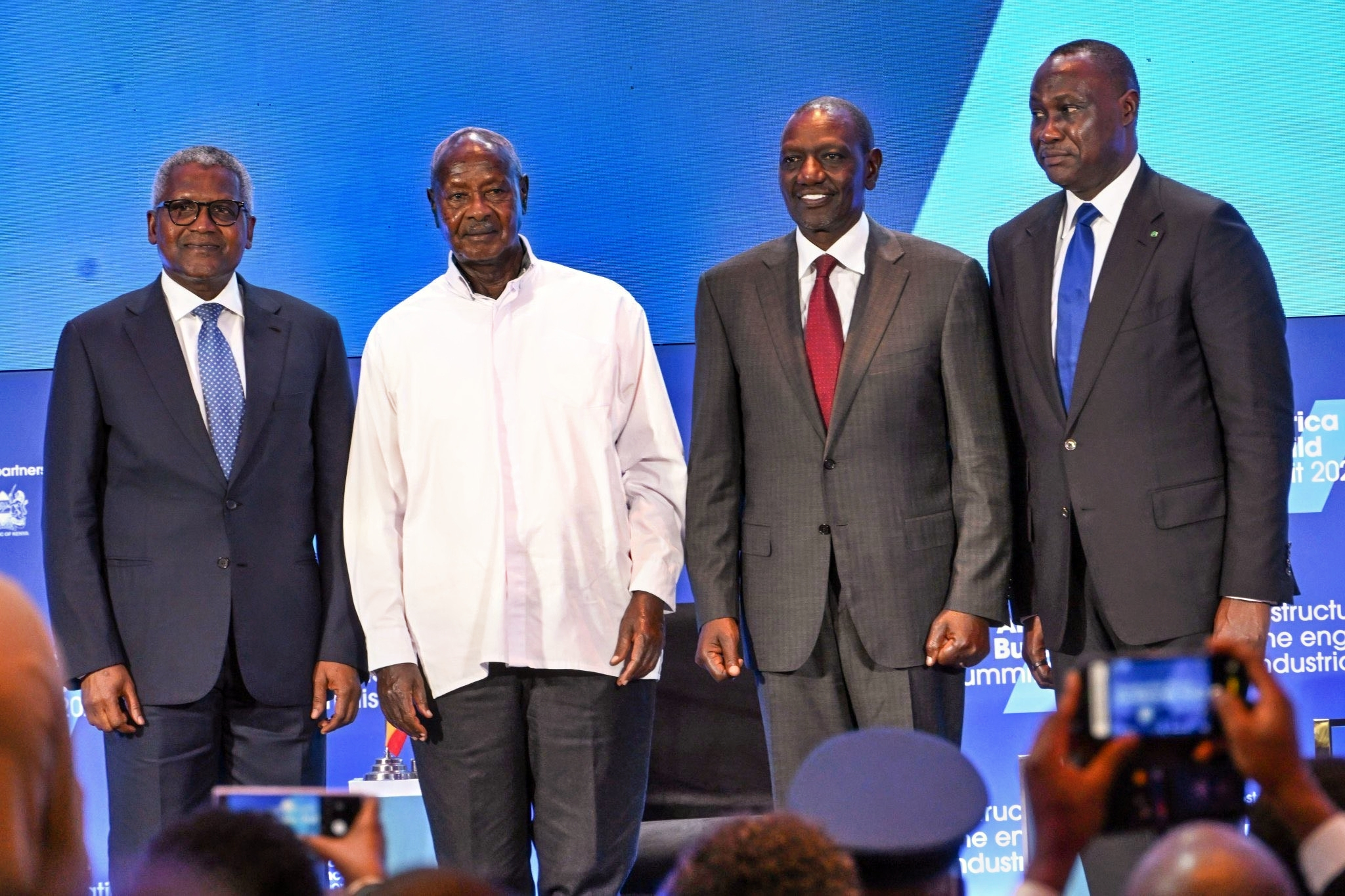
According to Bloomberg, Dangote made the commitment during the Africa We Build Summit 2026 in Nairobi, where regional leaders outlined plans for a joint refinery project in Tanzania.
The proposed facility will be located in the northeastern port city of Tanga and will be supported by a pipeline linking it to Kenya’s port of Mombasa.
Kenyan President William Ruto said the refinery will process crude oil sourced from countries including the Democratic Republic of Congo and South Sudan.
“We are discussing that we are going to have a joint refinery in Tanga to benefit all of us,” Dangote said at the forum. “My commitment today here is that we will lead the refinery. We’ll make sure that that refinery is built within the next four-five years.”
The development comes at a time when Africa is increasingly seeking to strengthen domestic refining capacity. The continent, which produces about 7% of global crude oil, has seen its refining capacity decline sharply over the past two decades.
Bloomberg reports that Dangote’s refinery in Nigeria which is currently the largest in Africa recently reached full capacity, helping the country achieve fuel self-sufficiency just weeks before tensions escalated in the Persian Gulf, disrupting global fuel supply chains.
The Tanga project is expected to complement the East African Crude Oil Pipeline (EACOP), a 1,443-kilometre pipeline linking Uganda’s oil fields to Tanzania’s coast.
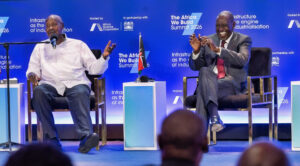
“I can give commitment to the two presidents that were here [that] if they will support the refinery, we’ll build the identical one that we have in Nigeria,” Dangote said during a panel discussion attended by Presidents Ruto and Yoweri Museveni.
The renewed push for refining capacity follows heightened concerns over Africa’s dependence on fuel imports, particularly from the Middle East.
Some East and Southern African countries source up to three-quarters of their fuel from the Gulf, exposing them to supply shocks during geopolitical conflicts.
Kenya, for instance, recently renewed supply agreements with Gulf-based firms including Saudi Aramco, Abu Dhabi National Oil Company and Emirates National Oil Company.
The region’s vulnerability has been compounded by years of underinvestment, which has led to the closure of several refineries, including those in Mombasa, Lusaka, Durban and Limbe.
In response, countries across Africa are accelerating plans to develop new refining infrastructure. Mozambique is exploring a 200,000-barrel-per-day refinery backed by Nigerian investor Benedict Peters.
Meanwhile, Uganda is maintaining its plan to build a 60,000-barrel-per-day refinery to meet domestic demand and supply border regions with Kenya and Tanzania. President Museveni said Uganda will also supply some crude to the proposed Tanga refinery.
The planned investment is part of Dangote’s broader $40 billion expansion strategy aimed at more than doubling capacity at his Lagos-based refinery, reinforcing his growing influence in Africa’s energy sector.