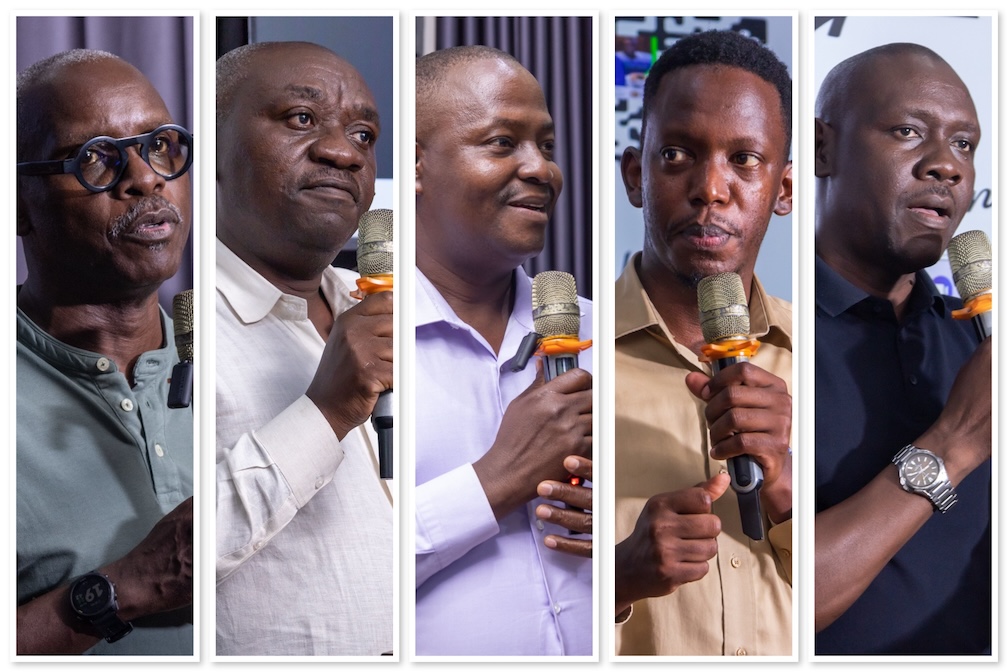
Uganda’s procurement professionals have been challenged to rethink both their careers and the way they practice their craft, as leading voices from government and industry converged at the Institute of Procurement Professionals of Uganda (IPPU) Coffee Connect, held at Fairway Hotel, on April 24th 2026.
At the centre of the conversation was a dual message: the need for early personal reinvention beyond formal employment, and the urgency of practical, real-world reform in procurement practice—particularly in balancing rules with judgment.
Delivering the keynote, former Vision Group CEO Robert Kabushenga, now a prominent coffee farmer and influential opinion leader, set the tone with a blunt warning to professionals across sectors.
“Never stay in the past… when one phase ends, you must move on,” he said, urging attendees to abandon the comfort of titles and prepare for life beyond formal roles.
His message resonated strongly with the event’s theme, “Reinvention After Formal Employment,” but extended beyond retirement to include continuous career evolution in a rapidly changing world.
Reinvention Begins Before Exit
Kabushenga dismissed the idea of waiting until retirement to think about the next phase of life, instead advocating for constant preparedness for change.
“Treat your job like the chicken of a drunkard… anytime they will slaughter you,” he said, emphasising the fragility of employment.
He argued that professionals who become overly attached to their roles often struggle when transitions inevitably come. In his own career, he said he deliberately avoided building emotional dependence on his office or position, remaining ready to leave at any moment.
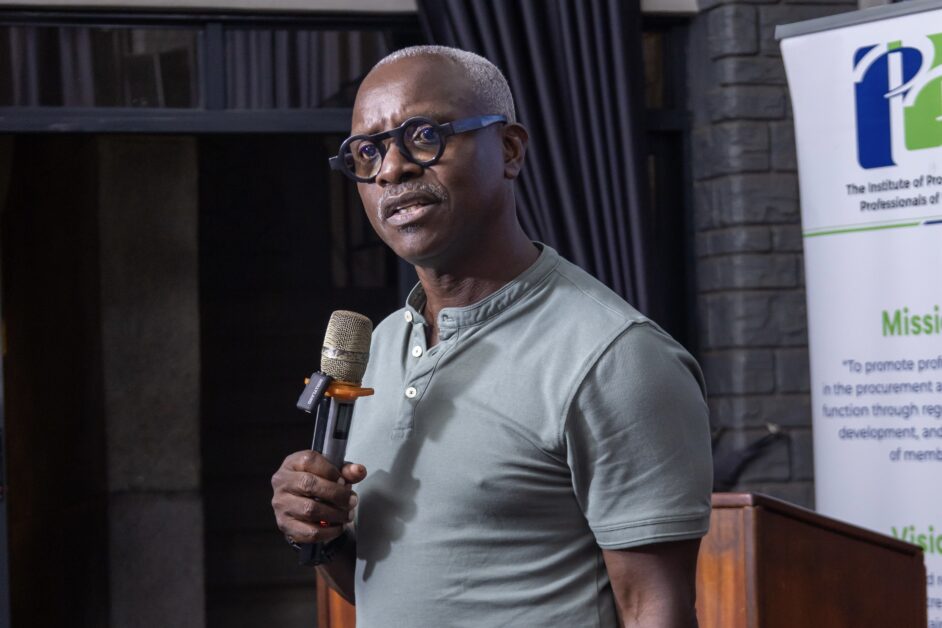
For Kabushenga, reinvention is not a one-time event, but a mindset.
“Never accept retirement… it’s just a change of careers,” he said, adding that many professionals underestimate the productive years that remain after formal employment.
He noted that individuals retiring at 60 could still have 20 to 25 years of active life ahead, a period he described as an opportunity rather than a decline.
A Changing World Demands New Skills
Beyond personal mindset, Kabushenga warned that the future of work itself is shifting rapidly, with technology reshaping traditional roles.
“If your job becomes obsolete… what do you do?” he asked, pointing to automation and artificial intelligence as forces already redefining professions.
He urged young professionals to build adaptability and versatility, encouraging them to complement their technical training with broader skills.
At the same time, he cautioned against chasing multiple ventures too early in one’s career, stressing the importance of mastering the primary role first.
“Every day at work is an interview for your next job,” he said.
Procurement Must Move Beyond Compliance
While Kabushenga focused on personal reinvention, other speakers turned attention to the profession itself, calling for a shift from rigid compliance to value-driven procurement.
Ronald Tumuhairwe, Manager for Local Content at the Public Procurement and Disposal of Public Assets Authority (PPDA), acknowledged the long-standing perception challenges facing procurement.
“Out there, the thoughts are things to do with money… integrity, corruption,” he said.
However, he emphasised that the profession is evolving.
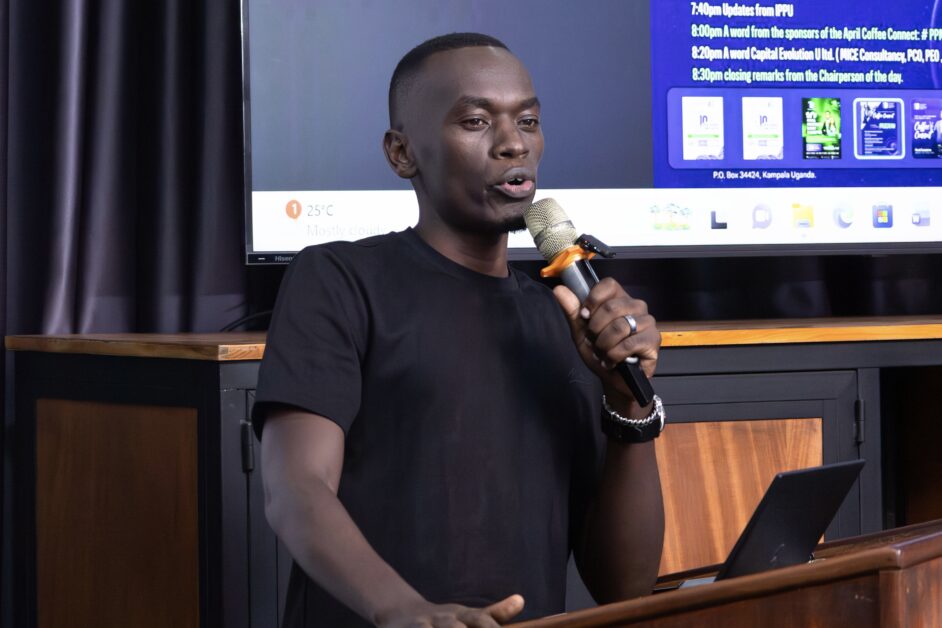
“Procurement should be used to get results… not be the problem,” he said.
Tumuhairwe argued that procurement must be repositioned as an enabler of development outcomes, rather than a bureaucratic bottleneck.
He also challenged professionals to think beyond their formal roles.
“Beyond the eight to five… how is it that you can be a person of value?” he asked.
Real-World Context vs. Rulebook
One of the most striking contributions came from Erukwaine Godfrey, Assistant Commissioner and Head of Procurement at the Ministry of Defence and Veteran Affairs, who introduced the concept of “commander’s intent” as a guiding principle in decision-making.
“Everything that you do, you must be ready to fulfil the needs of the commander,” he said.
Godfrey highlighted the limitations of applying uniform procurement rules across different operational contexts, particularly in high-stakes environments such as defence.
He warned against rigid adherence to regulations without considering the underlying objective.
“If you are going to carry your PPDA Act along with you… to go and answer against the commander’s intent, then you’re finished,” he said.
Instead, he called for flexibility, judgment, and situational awareness, noting that procurement professionals must understand the purpose behind every decision.
Trust as the Core Professional Currency
Across the discussions, one theme emerged consistently: trust.
Godfrey emphasised that in complex institutions, leaders rely on individuals who can be trusted to deliver under pressure.
“People want to work with those that they trust,” he said.
Similarly, senior practitioners at the event noted that career progression is increasingly influenced by character and judgment rather than technical qualifications alone.
Uthman, a senior official from PPDA, pointed out that competence is no longer enough.
Professionals must demonstrate the ability to make sound decisions independently, without constant supervision, particularly in high-responsibility roles.
Networking as a Career Strategy
The event also underscored the importance of professional networks in shaping career trajectories.
Nicholas Kabanda, Acting Executive Secretary of IPPU, described Coffee Connect as a platform designed to foster relationships beyond formal employment.
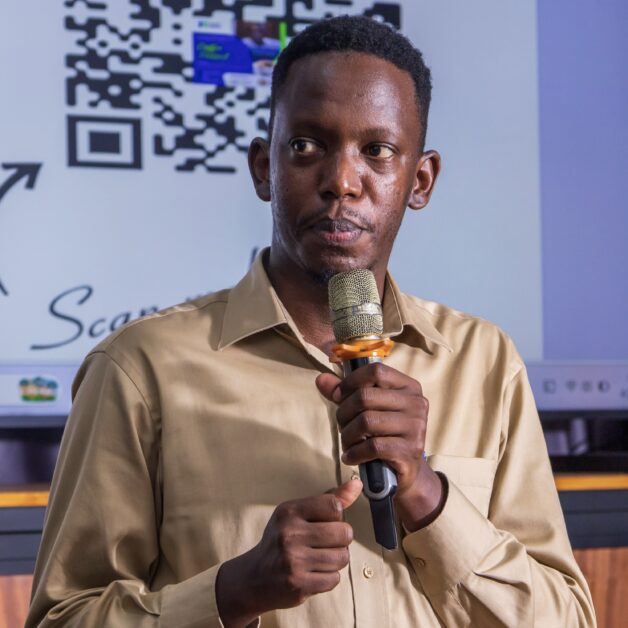
“We want to use this platform to get to know each other, not only for employment, but even after employment,” he said.
He stressed that opportunities often arise from visibility and familiarity within professional circles.
“We cannot recommend someone that we don’t know,” he added.
Commissioner Isaac Kyaligonza of the Procurement Policy and Management Department echoed this sentiment, highlighting the value of informal connections.
“I connected with three people… and we were able to transact,” he said, citing his own experience from previous sessions.
A Call for Professional Unity and Reform
Closing the session, IPPU Council Member David Amolo called for stronger cohesion within the procurement profession, urging practitioners to actively engage with the institute and contribute to its growth.
“We want to galvanise all procurement professionals… so that we speak with one voice,” he said.
Amolo also warned of impending regulatory changes, noting that a new procurement bill could significantly impact practitioners.
“This bill… is going to get most of us unaware… and it becomes very difficult for you to come back,” he cautioned.
He encouraged professionals to stay informed and aligned with institutional frameworks to remain relevant.
In closing, Kabushenga reckoned: “Change will happen, whether you like it or not,” he said.