
By Our Reporter
Using malaria Rapid Diagnostic Tests (RDT) in registered drug shops in a highly endemic region in Uganda substantially reduced over diagnosis of malaria. It also improved the use of valuable malaria drugs, according to a new study published in PLOS ONE.
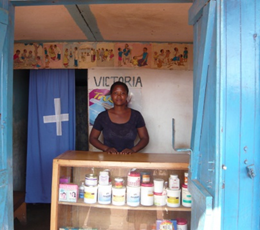
Most of the 15,000 patients that visited drug shops with a fever chose to buy an RDT when offered one by the trained vendors taking part in the study. Once they performed the test, results showed that less than 60% of the patients had malaria. The vendors usually complied with the test results, reducing over prescription of malaria drugs by 73%.
The researchers from the Artemisinin-based Combination Therapy (ACT) Consortium at the Ministry of Health in Uganda and the London School of Hygiene & Tropical Medicine in the UK carried out the study because up to 80% of malaria cases in Uganda are treated in the private sector.
The private sector is a common source of treatment in many other malaria-endemic areas, especially where there is poor access to public health facilities. Patients buy antimalarial drugs in shops to medicate themselves, although malaria is not always the cause of their fever, and thus inappropriate treatment is very common.
Professor Anthony Mbonye from the Ugandan Ministry of Health and lead author of the study, said, “Our findings show it is feasible to collaborate with the private health sector and introduce malaria RDTs in drug shops. The next step is to refine the strategy and understand the cost implications of scaling it up in Uganda. Our long term aim is to provide evidence to help the World Health Organization develop guidance to improve malaria treatment in the private sector.
