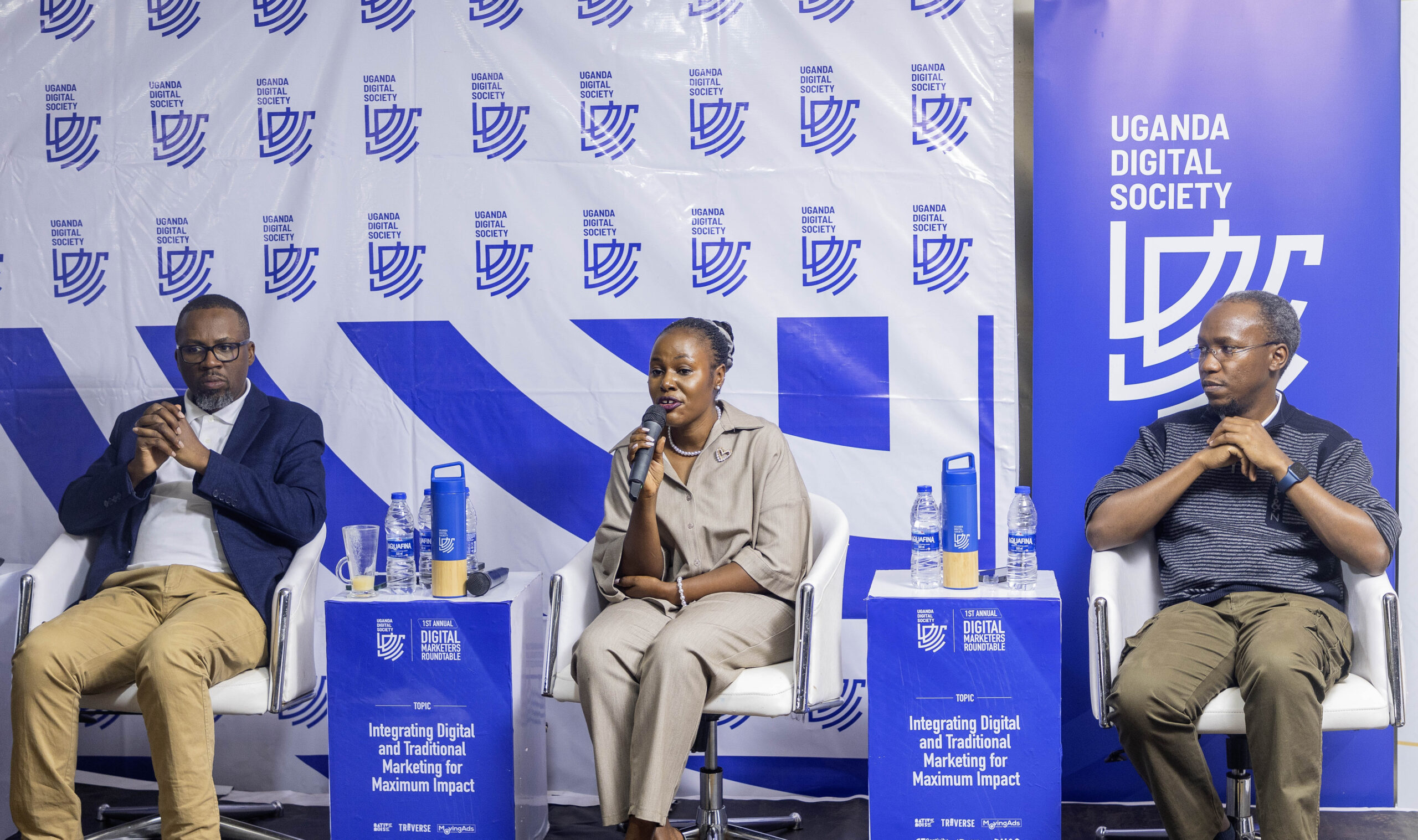
At the inaugural Digital Marketers Roundtable organised by the Uganda Digital Society, one message was clear: marketing in Uganda needs a reset.
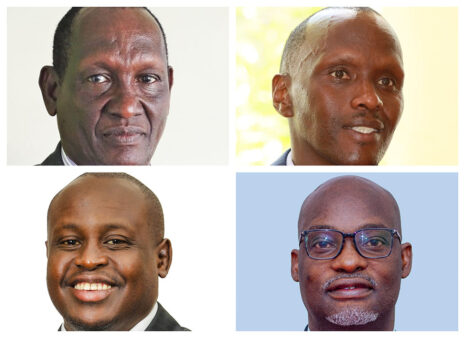
Bringing together industry leaders, including John Ssenkeezi, President of the Uganda Digital Society; Charity K. Asiimwe, President of the Uganda Marketers Society; and Rommel Jasi, Chairperson of the Uganda Advertising Association, the discussion moved beyond surface-level trends and into the structural gaps holding brands back.
Held under the theme “Integrating Digital and Traditional Marketing for Maximum Impact,” the roundtable unpacked what true integration means and why many brands are still missing the mark.
Opening the conversation, John Ssenkeezi, President of the Uganda Digital Society, challenged one of the most common assumptions in modern marketing: that digital equals social media.
“If you’re focusing on social exclusively as well as digital, you’re reaching less than 20 per cent of the people who have access to the internet.”
He pointed out that even when combining audiences across platforms like Facebook, TikTok, and X, marketers still reach only a fraction of Uganda’s online population.
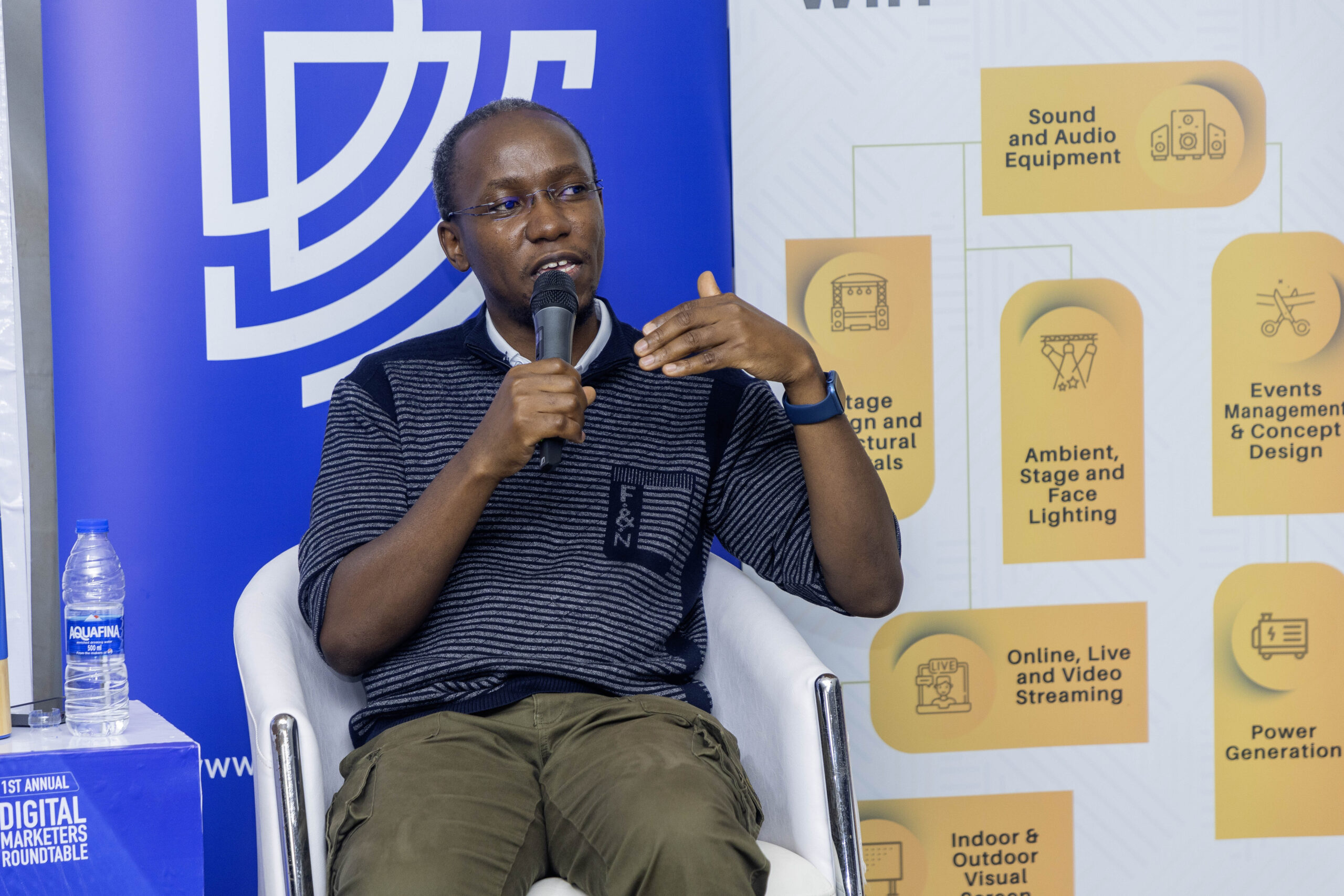
For Ssenkeezi, the real issue is how narrowly brands define digital.
“When we talk about digital channels, it’s not social. You’re ignoring people on WhatsApp, those searching on Google, those reading online news, or downloading apps.”
He added that some of the most valuable conversions often come from outside social platforms.
“The most sticky, most valuable audiences are not even on social media. Social serves a purpose, but it’s not the end.”
Ssenkeezi also addressed a deeper structural issue: siloed marketing.
“We plan campaigns in silos, what goes on radio, what goes on social, instead of planning around the customer.”
He explained that this approach leads to fragmented experiences and missed opportunities.
“You end up addressing one customer across multiple touchpoints without a clear flow. The focus should be on what information the customer needs at each stage.”
Instead, he urged marketers to think in terms of connected journeys, where each channel plays a defined role and hands off to the next.
Charity K. Asiimwe, President of the Uganda Marketers Society, grounded the conversation in strategy, emphasizing that integration begins with clarity of strategy.
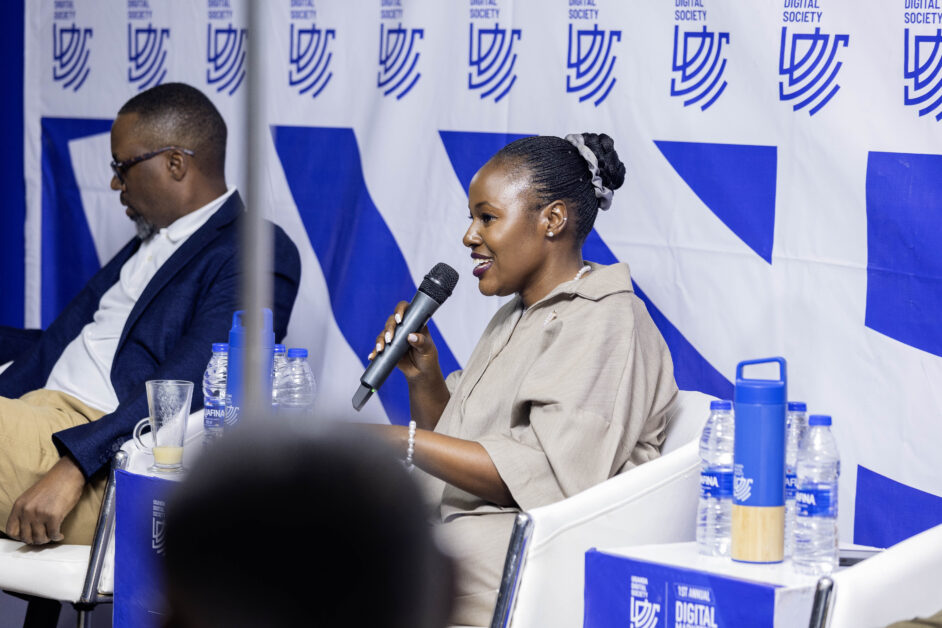
“We often begin with the ‘where’ — ‘I want to be on social media.’ But the real question is: why do you want to be there?”
She encouraged marketers to align every campaign with clear business objectives.
“What do you want to do? Why must you do it? When do you want to do it? And what outcome are you looking for?”
Using the banking sector as an example, she showed how marketing must directly support growth.
“If my goal is to grow deposits, then my marketing must bring in new customers. Everything else follows.”
She also highlighted the importance of understanding audience behaviour across different channels.
 After Success, Then What? Early Readers Of Francis Kamulegeya's Upcoming Book Say It Forces You to Rethink Everything
“The way people consume media is different. The radio listener, the Spotify user, the TV viewer, they all require different messaging.”
For Asiimwe, integration is about aligning brand goals with customer journeys and selecting channels accordingly.
“Your execution must speak to your brand journey while aligning with the customer journey. That’s where true integration comes in.”
Rommel Jasi, Chairperson of the Uganda Advertising Association, brought a reality check to the conversation, focusing on measurement and expectations.

“Attribution takes time. You can’t expect immediate results from every channel.”
He explained that marketing impact is often cumulative, especially in integrated campaigns where multiple touchpoints influence a single decision.
“Different channels play different roles. Some drive awareness, others drive conversion. You have to give them time to work together.”
Jasi warned against the pressure to measure everything instantly, noting that this often leads to undervaluing important channels.
Jasi also emphasized that while data is critical, it cannot be applied in a one-size-fits-all way.
“Clients have different dynamics. The way you use data for one brand cannot be the same for another.”
He noted that factors such as industry, customer base, and growth stage all influence how data should be interpreted and applied.
“You must customize how you use data based on the client’s reality. Otherwise, you risk making the wrong decisions.”
Beyond strategy and tools, the roundtable highlighted the need for stronger leadership within the industry.
Ssenkeezi stressed the importance of owning customer relationships through first-party data, while Asiimwe called for more intentional planning. Jasi, meanwhile, challenged agencies to step up.
“If you can’t push back on a client brief and say this won’t work, then you’re not doing your job.”
He added that meaningful change requires alignment across the business.
“When marketing is tied to commercial goals and leadership is involved, that’s when real impact happens.”
The roundtable made one thing clear: integration is not a buzzword. It is a shift in mindset.
For Ugandan brands, the opportunity lies in moving beyond isolated campaigns and building connected systems that reflect how customers actually behave.
That means looking beyond social media, breaking down silos, setting clear objectives, and giving strategies time to deliver results.
As the industry continues to evolve, the marketers who succeed will be those who understand one simple truth: marketing is no longer about channels. It is about people and how they move.