Uganda is positioning itself as a leading investment destination in Africa by leveraging its long-standing partnership with China to unlock opportunities in agro-industrialisation, manufacturing, and value addition.
This effort is highlighted by the Uganda–China Coffee Investment and Destination Tour 2026, where government officials and diplomats presented a strong investment case.
The initiative forms part of a broader strategy to transform Uganda’s economy through foreign direct investment (FDI) while strengthening domestic industrial capacity.
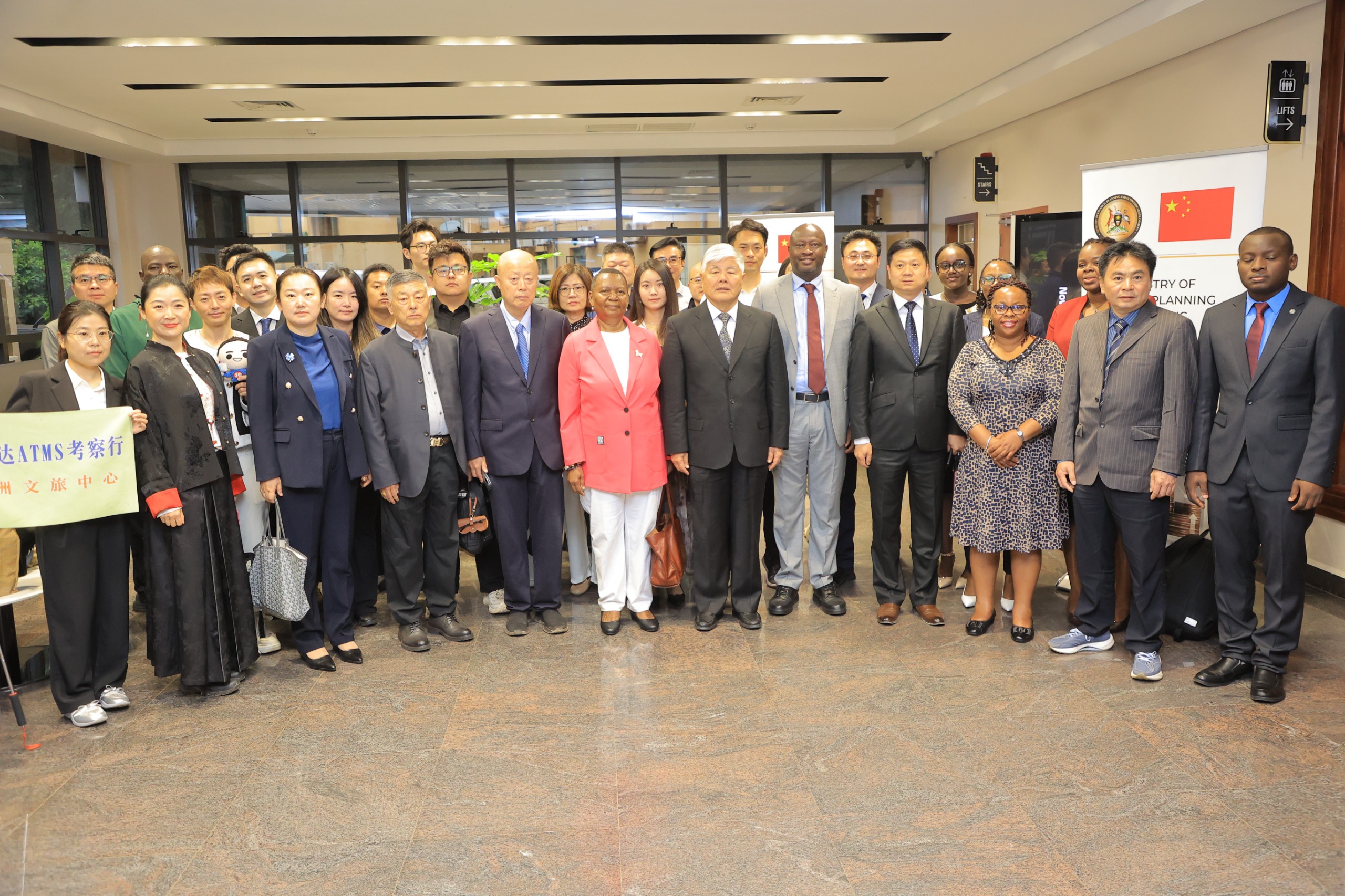
Amb Oliver Wonekha, Uganda’s envoy to China, described the visit as a deliberate move to translate diplomatic relations into tangible economic outcomes.

Leading a delegation of 40 prospective investors, she emphasized the importance of firsthand engagement.
“These investors are here to see and hear for themselves what Uganda has to offer,” she noted, stressing the role of direct interaction in building investor confidence.
She outlined Uganda’s priority sectors under the government’s development framework—commonly referred to as the ATMS strategy, which includes Agro-industrialisation, Tourism, Minerals, and Science and Technology.
Coffee remains Uganda’s flagship export to China, attracting strong investor interest, particularly in the value chain.
However, the delegation is also exploring broader opportunities across multiple sectors.
Within Uganda’s industrial parks, there is significant potential to advance agro-industrialisation and other priority areas under the national development agenda.
 Kenya Moves to Strengthen Consumer Safeguards with Draft Financial Protection Framework
During stakeholder engagements, officials from the Ministry of Finance presented key investment incentives, including a 10-year tax holiday, exemptions on imported machinery, and access to land for strategic investments.
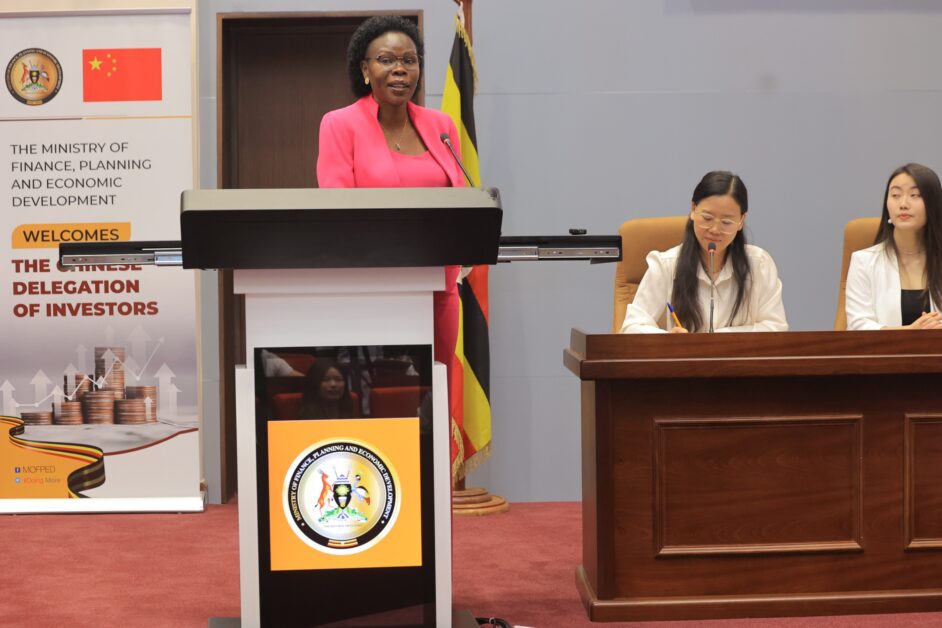
Investment Minister Evelyn Anite, highlighted the growing interest from the visiting delegation, noting that several investors had already identified sectors such as cable manufacturing, agro-processing, and real estate.
Some investors are ready to begin business registration immediately, while others plan follow-up visits after initial assessments. This signals a promising start to the year in attracting FDI into Uganda.
Government maintains an inclusive approach to investment, focusing on contributions to the national economy rather than investor nationality.
These contributions are reflected in key indicators such as GDP and GNP. Despite progress, Uganda continues to face challenges, particularly a high import bill driven by reliance on imported goods such as textiles and certain raw materials.
Addressing this requires expanding domestic manufacturing, increasing local sourcing of raw materials, and strengthening value addition within the country.
These efforts aim to reduce import dependence and enhance industrial self-sufficiency.
Uganda’s long-term goal is to grow its economy tenfold to approximately $500 billion, with foreign investment playing a catalytic role.
While investor interest spans multiple sectors, coffee stands out as a central pillar—not only as an export commodity but also as an opportunity for value addition through processing, branding, and technology transfer.