In a world where structures and policies often dominate the corporate agenda, a growing number of human resource leaders are realising that without a human element, systems inevitably fail.
Few understand this tension better than Ruth Ndwiga, whose 15-year career spans multinational environments including Aramex, Educate!, Technoserve Inc., and Vet Centre Uganda.
Now a certified transformational coach and founder of Badili Consults, Ndwiga has built her reputation across Egypt, Kenya, Tanzania, and Uganda.
That is by helping organisations reimagine HR not as an administrative function, but as a strategic driver of culture, governance, and sustainable growth.
Who is Ruth Ndwiga?
At my core, I am a mother.
Before any professional title, before HR leader, certified coach, founder or consultant, I am a mother of two remarkable children who keep me constantly alert, constantly learning.
Motherhood has been one of my most rigorous leadership classrooms. It has stretched me, softened me, strengthened me, and, in many ways, clarified me.
Raising children requires presence. It demands consistency. It humbles you daily. You cannot lead them through authority alone; you lead through example, patience and integrity. In that sense, motherhood has aligned deeply with my professional purpose, nurturing life, shaping potential, and stewarding growth.
Professionally, I have spent over 15 years working at the intersection of people, business and purpose across Egypt, Kenya, Tanzania and Uganda. I am an HR leader, a certified coach and a talent strategist.
My work has focused on supporting entrepreneurs, particularly women, to build resilient businesses in environments that are often uncertain and unforgiving.
I founded Badili Consults as a response to a recurring pattern I observed in SMEs. Many founders are passionate and visionary, yet their people systems are fragile. Culture is assumed rather than designed. HR is reactive rather than strategic. Leadership is intuitive rather than structured.
At Badili Consults, we partner with SMEs to build resilient HR frameworks, strengthen culture, clarify accountability and position the people function as a competitive advantage rather than an administrative necessity.
At a deeper level, I believe that when we empower entrepreneurs, and particularly women, we shift more than balance sheets. We shift families. We shift communities. We influence generational narratives. Over time, we shift ecosystems.
That belief has anchored my work for the last 15 years.
Looking back at the early days of your journey, what moment or decision most shaped the leader you are today?
Leadership found me before I consciously chose it.
Throughout school, I was consistently entrusted with responsibility. I was a prefect, a head girl, a team captain. At almost every stage, I found myself selected to coordinate, to represent, to lead. At the time, I simply accepted these roles as part of school life. It was only later that I realised how formative those experiences had been.
They taught me to speak with clarity. They taught me to carry responsibility not as a burden, but as a privilege. They taught me that leadership is service, not entitlement.
Much of that foundation came from my upbringing. My parents were disciplined and principled. Excellence was not negotiable in our home. Mediocrity was simply not entertained. However, what made their influence so powerful was that they embodied what they expected of us. They did not merely instruct us to pursue excellence; they modelled it in their work, in their service to the community, in the way they treated people.
Their lives were an open lens. I could observe their leadership in motion. I saw how deeply they cared for the people and communities they served. I witnessed integrity practised quietly, not performatively.
Even now, I often pray, “Dear Father, let my life mirror the excellence and the spirit of community that I was raised in.” That prayer has become a compass. It shapes how I show up in boardrooms and in my home.
Faith has also been a quiet but consistent thread in my leadership philosophy. I believe we are called not simply to exist independently but to build collectively. Leadership, to me, is stewardship. It is about walking alongside others and helping them transform not only their businesses but their mindsets.
Those early experiences and values instilled in me a high internal standard. It is not driven by perfectionism, but by purpose.
You originally intended to become an engineer. What made you pivot into people leadership?
For a long time, I was certain I would become an engineer.
I was drawn to systems and structures; the elegance of design, the predictability of frameworks, the satisfaction of precision. Engineering felt logical and contained. There was comfort in understanding how parts fit together to create strength.
Yet, even as I pursued that direction, people kept interrupting the plan.
In school, in church, in community spaces, I found myself mentoring, guiding and organising. I was often the youngest in rooms, yet entrusted with influence. Individuals would say to me, “Ruth, you are cut out for this. You speak to hearts.”
Initially, I resisted that idea. I had constructed an identity around systems and structure. People management felt ambiguous, emotional, and less defined.
The turning point came when I realised that my love for systems had not disappeared but had evolved. Organisations are living systems. Culture is architecture. Talent pipelines require design. Leadership succession demands intentional construction. I began to see that I was not abandoning engineering; I was simply engineering people systems.
The pivot was humbling. I had to acknowledge gaps in my competence. Being the youngest in leadership settings required me to prepare rigorously. I could not rely on charisma; I had to cultivate depth.
That season taught me intellectual humility. It taught me that calling often disrupts comfort. It also reinforced a profound truth: sustainable transformation begins with people, not processes alone.
What has been the most challenging phase of your growth, and what did it teach you?
One of the most challenging phases was relocating and rebuilding my career in a new country.
Migration is not merely geographical; it is psychological. When you enter a new culture, you quickly realise that leadership is contextual. Communication styles differ. Hierarchies operate differently. Decision-making rhythms vary.
Where I had grown up, communication was straightforward. In my new context, relationships preceded decisions. Conversations required patience. Influence required nuance.
Initially, I struggled. I was action-oriented. I valued clarity and speed. Yet I discovered that pushing for outcomes without first cultivating trust created resistance.
I had to slow down. I had to listen more deeply. I had to observe what was not being said.
That period compelled me to invest intentionally in emotional intelligence. Around 10 years ago, I asked a personal coach to take me through structured EQ development. I did not want to assume self-awareness; I wanted to cultivate it deliberately. I wanted to understand my blind spots, my triggers, my default tendencies.
There were moments of doubt. Being young in leadership spaces can amplify insecurity. You question whether you are credible enough, experienced enough, and assertive enough. But I chose preparation over intimidation. I ensured I understood the context thoroughly before speaking.
Over time, consistency built trust.
That season taught me adaptability. It taught me that influence is not about imposing your style but about discerning the environment and responding wisely. It also reinforced the importance of relationship capital. Nothing moves sustainably unless people are genuinely on board.
How have your values evolved, and how do they now influence your decisions?
Earlier in my career, I was strongly driven by performance and achievement. Efficiency, execution and results mattered deeply.
Those values remain important to me. However, life has refined its hierarchy.
Motherhood, entrepreneurship and exposure to diverse clients across markets have humbled me. They have broadened my lens.
Today, I value alignment as much as achievement. I ask not only, “Will this work?” but “Is this right?” “Is this aligned with my mission?” “Will this still matter five years from now?”
There have been clients I have had to release because we were not aligned in values. On paper, the opportunity appeared promising because the finances made sense. But if integrity or long-term sustainability were compromised, I knew it would erode purpose.
I value sustainability over speed. Rapid growth without structure creates fragility. I value integrity over optics. Some decisions look impressive externally but are hollow internally.
These values influence how I lead. I lead with empathy, but also with conviction. Compassion without standards breeds mediocrity. Standards without empathy create fear. Sustainable leadership requires both.
I have become more grounded, making decisions that protect people, purpose and long-term impact rather than chasing quick wins.
This evolution has made me become the courageous leader I always prayed I would become one day.
Can you share a setback that later became a turning point?
The season of my first pregnancy was a defining interruption.
While carrying my first child, the doctor informed us that the pregnancy had become high-risk. At the same time, I was in a demanding corporate role. My husband and I faced a stark decision: prioritise career momentum or the pregnancy.
We chose family while my professional life slowed down.
Stepping away from corporate life felt both empowering and unsettling. I was grateful to be present as a new mother. Yet internally, I wrestled with identity. Who was I without the structure of a formal role? Without performance metrics? Without the affirmation of titles?
There were moments of financial uncertainty. There were times when I wondered whether I had lost ground professionally.
Yet, within that pause, something began to incubate.
Clients continued reaching out. “Could you help us revise this HR manual?” “Could you represent us in this process?” I accepted assignments I could manage flexibly, often working around nap schedules and feeding times.
Gradually, those small engagements evolved into structured consulting work. Without fully planning it, I had begun building my own practice. This pushed me to build my brand.
That interruption became an invitation. It pushed me to reskill online and compelled me to think creatively about value delivery. It allowed me to design work around life rather than life around work.
It was during that period that I asked myself: How can I be a different kind of HR consultant? That question led me to pursue a coaching certification. I wanted to go beyond compliance and policy; I wanted to transform mindsets.
That season strengthened my resilience. It deepened my faith and clarified my mission.
Today, when I support women navigating similar crossroads, balancing motherhood and ambition, I do not speak theoretically. I speak from lived experience because I understand the internal tension between identity and responsibility.
What felt like a setback became the birthplace of entrepreneurship.
What habits or practices have been most instrumental in your consistent growth?
Intentional learning has been foundational.
I remain a student. Whether I am facilitating or attending, I position myself in learning environments. I invest in formal development and informal mentorship. I believe stagnation begins when curiosity ends.
I maintain what I call my “circle of genius”, whom I call the coach to the coach. These are mentors and peers who stretch me intellectually and emotionally.
Some mentor me formally; others through conversation and collaboration. I also embrace reverse mentorship. Younger professionals often challenge assumptions I did not know I held.
Reflection is another core practice. I pause regularly, both in the morning and evening, to assess what worked, what did not, and who I am becoming in the process. I evaluate my energy. Which activities energise me? Which depletes me? Self-mastery requires awareness.
I also believe in discipline. Motivation fluctuates, but discipline sustains. I am intentional about my calendar, time management, quality standards and follow-through. Even when energy is low, I bless the Lord that He helps me to show up.
Growth, for me, has never been accidental. It is cultivated deliberately.
With over fifteen years across Egypt, Kenya, Tanzania and Uganda, what mindset shift most shaped your leadership journey?
The greatest shift in my mindset was moving from trying to control outcomes to intentionally creating environments where people and teams can thrive. I believe leadership is about caring for people, not simply driving productivity. When individuals feel trusted and empowered, they exceed expectations.
A central part of my growth has been self-awareness. Investing in emotional intelligence, reflection and intentional learning has shaped how I lead. I remain committed to continuous development, through formal study, mentorship, reverse mentorship and coaching.
I surround myself with people who challenge my thinking and hold me accountable. Daily reflection, discipline and a strong personal standard of excellence have helped me grow in self-mastery and resilience.
 Nicholas Mukasa Appointed Bank of Namibia Deputy Governor
Motherhood was also another significant turning point in my journey. That season deepened my faith, clarified my purpose and strengthened my resilience.
Over time, my values have evolved. While excellence and results remain important, I now prioritise alignment, sustainability and integrity. I ask not only whether something will work, but whether it is right and aligned with long-term purpose.
I lead with empathy and conviction, making decisions that protect people and have an impact beyond short-term gains.
Earlier in life, I had envisioned becoming an engineer, yet I was consistently drawn into leadership roles. Transitioning into people management, while adapting to a new country and culture, was equally challenging but formative. I learned that understanding people and context must come before deliverables.
My parents’ example of discipline, service and excellence laid the foundation for my leadership. Guided by faith and a strong sense of community, I remain committed to helping others grow, believing that leadership is ultimately about walking alongside people as they become their best selves.
Managing distributed teams across 14 African countries is no small feat. What leadership lessons did that experience teach you that you couldn’t have learned in a single-country role?
It taught me that leadership is far less about control and far more about integration. It is about bringing together diverse resources, lived experiences, strengths and cultural values into a shared space where meaningful exchange can happen.
I became fascinated by identifying patterns, noticing what worked exceptionally well in one country and exploring how those strengths could be adapted elsewhere. The diversity across teams was not a complication but the magic. Our differences were our greatest asset.
A significant lesson was understanding the people behind the roles. Many of the professionals I supported were HR leaders themselves, carrying the weight of their organisations, often absorbing the frustrations of CEOs or senior leaders.
My responsibility was to create a safe space where they felt seen and supported, somewhere they could say, “I am struggling,” without fear of judgment.
I also learned not to impose programmes simply because they looked impressive on paper. Each country already had something working. My role was to listen deeply, strengthen what was effective, and provide clear pillars within which teams could exercise autonomy.
Context matters. For example, community engagement initiatives varied widely; some blended CSR with marketing, while others prioritised employee volunteering during office hours. Both approaches were valid within the broader programme framework.
Across cultures, one truth stood out: when people feel trusted and empowered within clear boundaries, they exceed expectations. Leadership sometimes meant stepping back, observing, celebrating progress and sharing ownership.
That experience shaped my humility, strengthened my trust in others, and deepened my belief in collective leadership.
How has working across cultures influenced the way you build people strategies?
Working across cultures has profoundly shaped how I approach people strategy. It reinforced that there is no “one-size-fits-all” model.
Culture influences communication styles, feedback reception, perceptions of respect, ambition and conflict. In Uganda, for example, respect may mean avoiding direct confrontation, even when disagreement exists. In Kenya, communication can be far more direct and assertive. When these styles intersect without awareness, misunderstandings are inevitable.
Therefore, before introducing structure, I prioritise listening and contextual understanding. While principles may remain consistent, execution must allow flexibility.
Cross-cultural exposure also sharpened my inclusivity lens. I routinely ask: whose voice is missing? Who is not represented in this room? Leadership teams often assume inclusivity, yet boardrooms may lack representation of women, youth or persons with disabilities. Strategy must account for those absent voices.
Language barriers further deepened my empathy. I have sat in meetings conducted largely in Arabic, reliant on partial translation while still expected to capture minutes. Such experiences reinforced the importance of identifying cultural champions; individuals who embody influence and shape behaviour, regardless of formal title.
Today, when building people strategies, I do not only ask whether something is “best practice”. I ask whether it works for the intended people. Strategy must be co-created. Often, the problem perceived by leadership is not the problem experienced by the team. Listening remains the most powerful cultural tool.
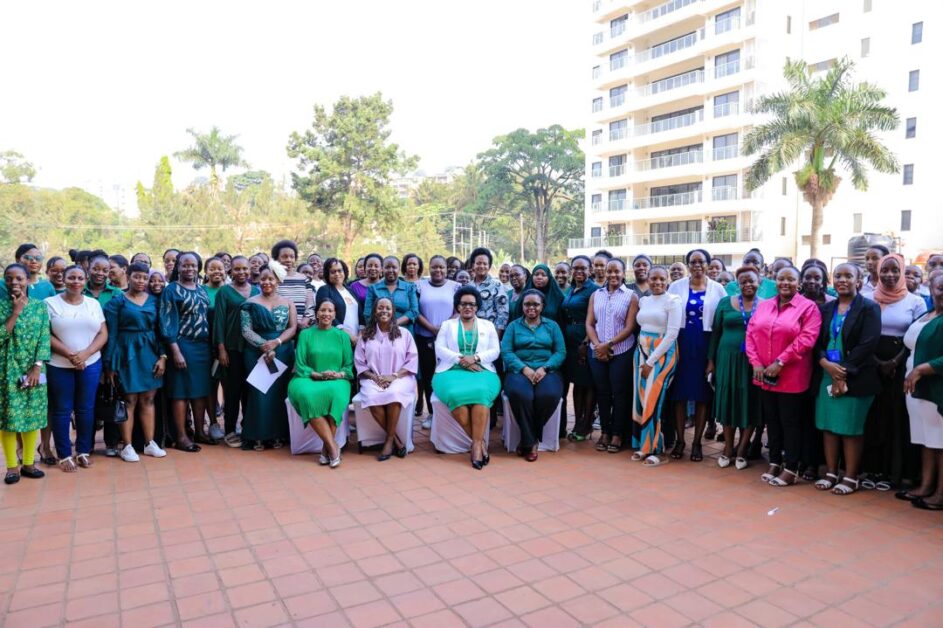
As a Certified Transformational Coach accredited through the ICF pathway, how did coaching transform your approach from “HR professional” to “strategic talent partner”?
Becoming certified through the International Coaching Federation marked a turning point in my professional evolution.
Before coaching, I was highly solutions-driven. Diagnose the issue, recommend the fix, execute, monitor and report. That was the model.
Coaching taught me to pause.
Instead of rushing to solve problems, I learned to ask better questions and listen beneath the surface. I realised that constantly “fixing” created dependency and ongoing firefighting. By contrast, coaching expands leaders’ capacity to think, anticipate challenges and mobilise their own resources.
The shift was gradual but powerful. Conversations moved from policies and performance metrics to mindset, blind spots and long-term leadership capability. I transitioned from transactional HR support to transformational partnership.
Today, I serve as a sounding board for executives. Rather than providing answers, I facilitate clarity. When leaders recognise that sustainable change begins within themselves, confidence grows. Coaching has strengthened my empathy, sharpened my strategic thinking and positioned me as a true growth partner.
What has been your biggest growth moment in HR, one that forced you to reimagine your own leadership style?
One of my most significant growth moments came when I realised that being the most knowledgeable person in the room did not make me the most effective leader.
Early in my career, I relied heavily on expertise, benchmarking frameworks, labour law updates and polished policies. Yet despite having the “right answers”, alignment was missing. Trust was not automatic.
That realisation was uncomfortable. At one point, I considered walking away. Instead, I chose to reimagine my leadership approach.
I moved from being the expert to becoming the enabler. I stepped out of the HR office and into operational spaces. I spent time with customer service teams, receptionists and operations staff. I observed workloads, responded to emails and experienced their pressures firsthand.
That immersion changed everything. Relationships deepened and results became shared. Leadership became less about authority and more about stewardship.
I learned that leadership is not about standing at the forefront, winning all the accolades, while the team lags. It is about creating commitment and shared success. When the team wins, the leader wins.
What are the top two practices you’ve used that consistently improve morale and productivity?
The first practice is clarity with connection.
People perform best when expectations are clear, feedback is continuous, and goals are aligned with purpose. Performance conversations should not happen only during annual appraisals. They should be ongoing.
Equally important are human check-ins. A simple “How are you?” or remembering a personal detail like, “I love your suit”, signals that individuals are seen beyond their output. Engagement often shifts through these small but consistent acts of connection.
The second practice is ownership.
When employees co-create solutions, whether refining a process or launching a programme, commitment rises. Productivity becomes a by-product of belonging rather than pressure.
When people feel trusted, heard and appropriately stretched, morale increases naturally. Just as families rally instinctively during celebrations, teams contribute meaningfully when they feel they belong.
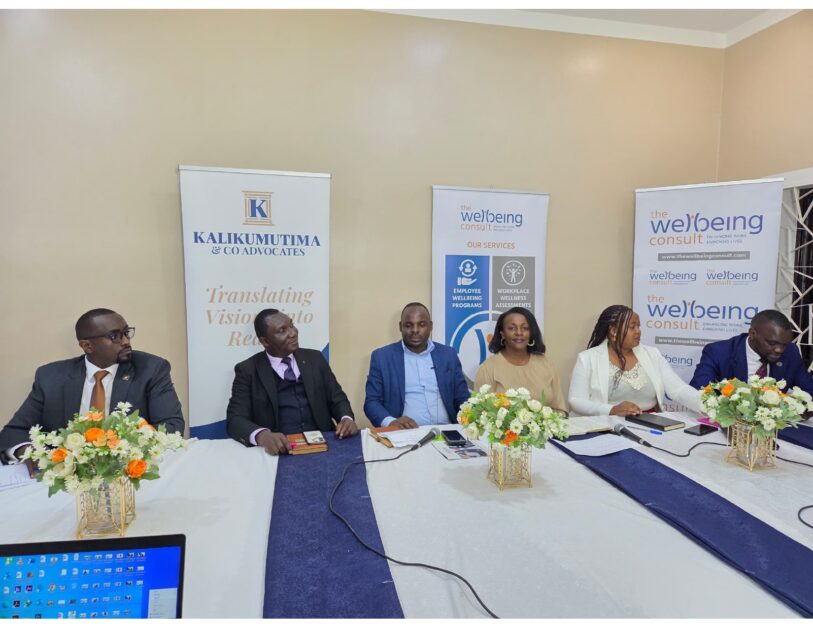
Through your Career Kickstart Programme, what common patterns hold young professionals back from growth, and how do you help them overcome them?
The Career Kickstart Programme emerged from observing young professionals struggle with fundamentals. This includes email etiquette, professional presence, communication with senior leaders and workplace expectations.
I remember one of my mentees sending an email in capital letters, and I thought that maybe she was having a bad day. But when it reoccurred, I realised that I needed to take her through an email etiquette training.
Another example was one mentee who pocketed while talking to his superiors.
Beyond technical competence, many lack clarity and confidence. Careers today are no longer linear, yet some remain stuck waiting for progression because they were told to “wait their turn”.
Fear is another significant barrier. It could be fear of visibility, fear of asking for opportunities, or fear of failing publicly.
We begin with identity. Growth starts with self-awareness. We work on personal branding, LinkedIn optimisation, career mapping and networking. This is not transactional networking, but meaningful relationship-building.
I also help participants recognise that experience extends beyond corporate roles. Side projects, volunteering and freelance work are valid and valuable.
Clarity replaces confusion. Courage replaces fear. When young professionals articulate their value confidently, trajectories shift. Growth does not begin with opportunity; it begins with identity.
You recently launched the Reimagine Your Career Series. What gap did you notice in the career space that pushed you to create it?
It was largely inspired by a gap I had observed in the workplace, particularly the disconnect between compliance and culture.
I once joined an organisation where compliance was extremely strict. Employees could be suspended before even being told the reason, sometimes over simple errors. The culture was suffering. People were afraid to speak up, even when they witnessed wrongdoing. Engagement was low, productivity had declined, and morale was fragile. It felt as though the organisation was either heading towards industrial action or gradual collapse.
I noticed that policies were being used reactively and selectively, rather than as tools to serve both employees and the organisation’s mission. Structure is important, but when it lacks humanity, it erodes trust.
Instead of immediately resorting to formal meetings, I asked a simple question: What do people enjoy outside work? In this male-dominated environment, they enjoyed football, so I encouraged them to organise regular matches.
I did not play, but I facilitated. Over time, the football pitch became a place where conversations happened that would never have occurred in a boardroom. Through the structure of the game, with its clear rules, teamwork and shared accountability, people began to reflect on fairness, responsibility and leadership.
One employee who showed passion was encouraged to captain a team. That small act of trust became transformative. Leadership, even in a minor role, created ownership. When someone enforces rules on the pitch, they begin to understand their value. That mindset gradually transfers back into the workplace.
Not every issue was solved overnight, but the culture began to shift. People started to see one another differently. They felt heard.
The lesson for me was clear: compliance does not kill culture when it is done well. In fact, when paired with trust, transparency and shared purpose, it strengthens culture. Structure and people can flourish together when leadership is human-centred.
The Reimagine Your Career Series was born out of these experiences. I saw how many employees feel trapped in rigid systems, disconnected from purpose and afraid to use their voice. I wanted to create a space where professionals could reflect, regain clarity and reconnect with meaningful, values-driven careers.
Whenever teams have had difficult corporate experiences, what they often need is not just policy reform, but safe spaces, shared accountability and leadership that genuinely cares. That is the gap I set out to address.
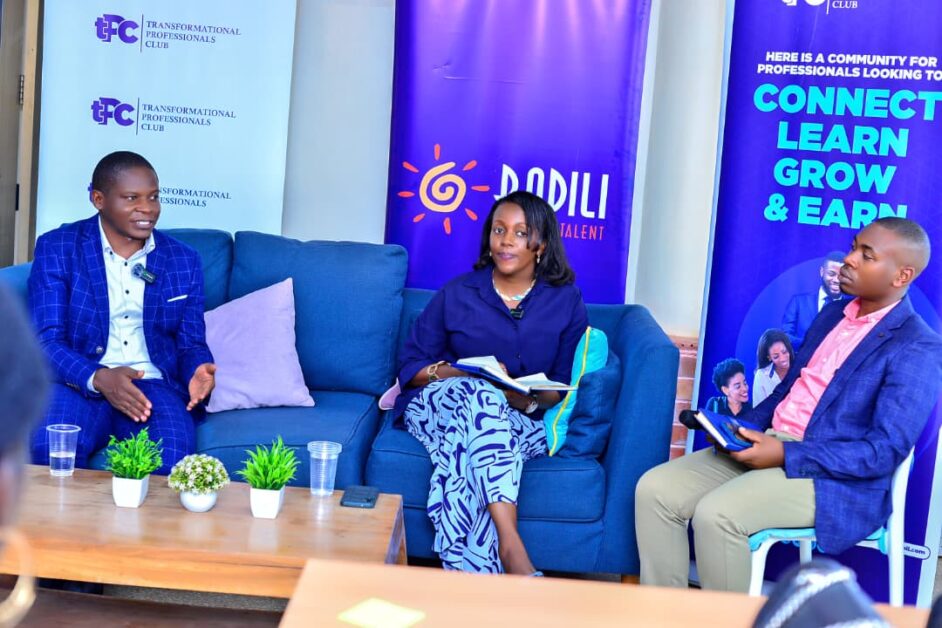
From talent management to compliance, you’ve balanced both people and structure. How do you help organisations stay compliant without killing culture and engagement?
Corporate governance is often associated with control. That is policies, checklists and rigid structures. Yet governance, when done well, creates clarity and shared accountability.
I have observed a recurring gap: rules exist, but ownership does not. Employees may know where policies are stored, yet feel disconnected from them.
To bridge this, governance must be linked to people leadership. Line managers should co-create role clarity. Decision-making processes should be transparent. Policies must be explained, not merely enforced.
During crises such as the Covid-19 pandemic, organisations that communicated transparently and demonstrated empathy fostered deeper loyalty. When employees understand the “why” behind decisions, compliance becomes voluntary rather than forced.
Governance can cultivate leaders at every level. Even frontline employees can contribute to refining SOPs. Structure and culture are not opposites; they flourish together when built on trust and purpose.
How do you connect corporate governance principles with people leadership and long-term impact?
At the heart of governance is human capability. I connect governance to leadership in three ways:
First, through powerful questions. Coaching conversations challenge limiting beliefs and build awareness.
Second, through exposure. I deliberately place people in larger rooms and connect them to opportunities. Growth often accelerates when individuals see what is possible.
Third, through structure. Encouragement alone is insufficient. I provide tools, such as scorecards, templates, and milestone frameworks that translate vision into measurable progress.
When individuals feel both supported and stretched, performance shifts from incremental to exponential.
Ultimately, governance and leadership intersect at purpose. When people understand why rules exist and feel trusted within those structures, they take ownership of both compliance and results.
My guiding belief remains simple: when we allow our light to shine, we illuminate spaces beyond ourselves. Leadership, at its core, is about enabling others to shine just as brightly.