By Cem Perdar
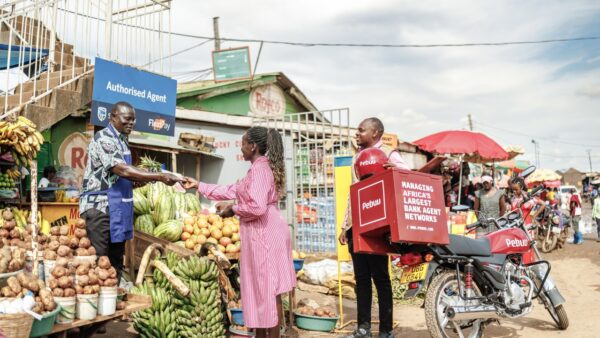
In February and March 2021, I visited Nigeria and Kenya respectively for business purposes. Among the important things that caught my attention during these visits was the clear increase in the number of motorcycle couriers on the roads and the abundance of advertisements for e-commerce applications.
Online trade in Africa has rapidly grown in recent years, and this trend is expected to continue. In my view, various factors contributed to the impressive growth of this business model. Population of Africa is the youngest in the world. So, there is potential for a massive digital audience. Also, Internet usage is increasing due to the rapidly spreading use of smartphones and mobile devices.
The Covid-19 pandemic also boosted the industry. The ensuing lockdown led to an increase in the use of e-commerce platforms as online shopping became a necessity rather than a preference. This led to a corresponding surge in digital and economic transformation. With the spread of e-commerce in African markets, consumers have discovered the pleasure of having the products they ordered delivered to their doorsteps in just a few hours, without leaving their comfort zone.
Except South Africa, which has a fairly well-developed formal retailing industry, all other African countries have relatively underdeveloped formal retailing. Nevertheless, the widespread use of online retail or e-commerce is creating new opportunities in Africa. The continent’s e-commerce market is creating a novel shopping experience, especially for the region’s growing middle class. Sellers can now expand their geographic reach to target more customers, and buyers now have more options. Having more choice means they can get more value from the purchases and shopping that works best for them. The industry has seen growth driven by Jumia, Konga, Takealot and other players in Sub Saharan Africa.
According to data from Statista, while an e-commerce user in Africa spent $57 per year in 2017, this figure increased to $72 in 2021. The African e-commerce market was worth $24 billion in 2020, and the number of online shoppers on the continent has grown at a compound annual growth rate of 18% between 2014 and 2018, higher than the global average of 12%. The African e-commerce market is estimated to be worth $36 billion in 2024. The e-commerce industry is a powerful growth engine for the African economy, positively impacting sellers, buyers and the market as a whole. E-commerce is breaking down geographic barriers that once restricted trade between parties on different continents.
When we look at the current figures, in spite of serious growth in the Sub-Saharan region, there are also serious handicaps due to the infrastructure and mindset realities of Africa. E-commerce is worthless without payment and money collection. As of 2020, around 55% of African adults did not have any bank accounts, despite the fact that some technology firms continue to introduce payment alternatives to meet consumer demands. On the other hand, internet usage at home is still not very common. The fact that internet prices in some countries are very high due to global inflation and that smartphone prices are unreachable is amongst the main factors that slow down the development of e-commerce in Africa. The basis of e-commerce requires the use of money in electronic environment. However, cash means trust and power in Africa. This makes the African people somewhat shy towards electronic payment systems and slows the spread of e-commerce.
 She Walks: Purposeful Strides, Scaling Hills in Heels—and Why Women’s Progress Matters for Africa’s Future
Statista did a survey in several African countries, asking e-commerce users in Nigeria, South Africa and Kenya what kind of items they prefer to purchase online. In all of these countries, digital shoppers reported buying clothing, shoes and consumer electronics online. However, despite the incredible growth, online shopping in Africa still lags behind the global average, even in Africa’s busy markets.
- Number of digital buyers in Africa has more than doubled between 2015-2021
- Population of Africa was 1,37 billion in 2021, however this figure is predicted to rise to 2.5 billion in 2050.
- It is estimated that the Internet user population in Africa will reach 860 million by 2030.
- It is thought that mobile Internet usage in Africa will catch up with the total internet usage traffic by 2040.
- In 2021, 37% of online shopping in Africa consists of textile products, 33% electronic products, 17% food and 13.5% other products.
Here are the top 3 e-commerce companies in Africa according to Statista. Now let’s take a closer look at the top three e-commerce companies in Sub-Saharan Africa. Note that the key metrics used to select these top three e-commerce platforms are primarily website traffic and engagement as reported by Statista. The report is from 2021.
Jumia: Jumia received the most web traffic in 2021 than any other e-commerce platform in Africa. The company reportedly had 23.3 million monthly visits during the period.
Takealot.com: South African e-commerce platform is the second most visited e-commerce page in Africa. Monthly average visit figure is 10.5 million.
Konga: A Nigeria origined e-commerce platform that is at the third ranking. Data collected by Statista shows that Konga’s website has 2.3 million monthly website visits.
Cem Perdar is Export Sales Manager/Africa at Pakmaya, Pak Holding