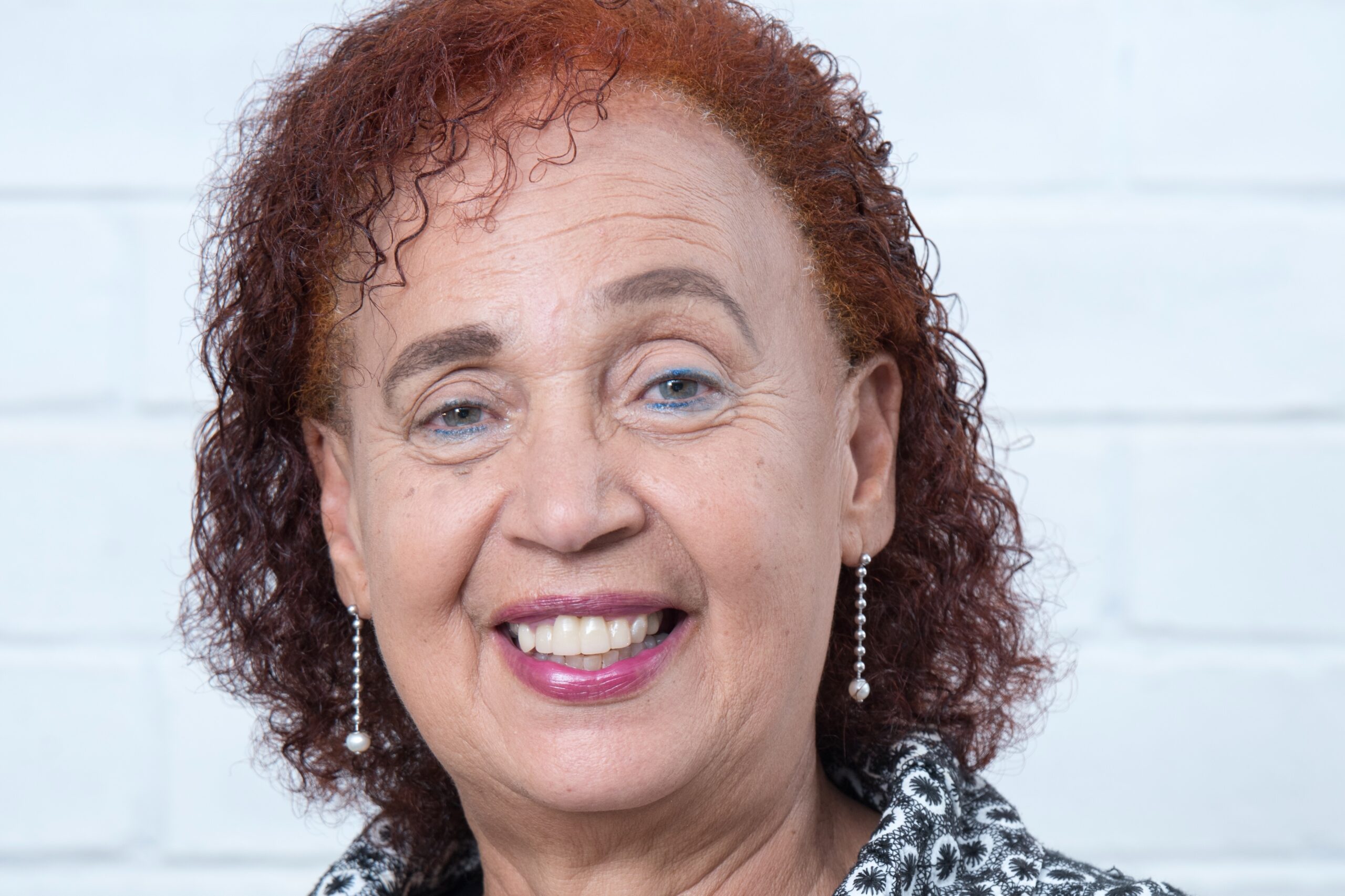
When Dr. Maggie Kigozi stepped into Crown Beverages Limited (CBL) in 1994 following the death of her husband and co-founder, Eng. Dan Kigozi, she wasn’t merely inheriting shares—she was inheriting a dream. One year earlier, Dan, alongside business partners Amos Nzeyi and Chris Kayoboke, had acquired the assets of the defunct, state-owned Lake Victoria Bottling Company (LVBC) and secured a critical franchise from PepsiCo. The trio renamed the company Crown Bottlers Limited—later Crown Beverages—and set out to transform it into a world-class beverage enterprise.
More than thirty years on, that dream has not only endured—it has expanded into something extraordinary. Today, Crown Beverages is Uganda’s leading carbonated soft drink company, producing over 65 million cases annually, employing more than 10,000 people, and contributing over UGX 200 billion in taxes each year. It now operates two state-of-the-art factories, including a recently commissioned USD 90 million bottling plant at Kakungulu, built with support from Citibank, Stanbic Bank, and PepsiCo, as part of its strategic growth into the regional bottled water and carbonated soft drinks markets.
CBL is also now expanding into Kenya, taking on larger multinational competitors in one of East Africa’s most dynamic beverage markets—a bold move backed by a proven portfolio and the unwavering confidence of its shareholders. The company has diversified its offerings to include both legacy and premium brands such as Pepsi, Mirinda, Mountain Dew, Sting, Nivana Water, and Aquafina—the latter making Uganda only the third African country after Egypt and Nigeria to be licensed by PepsiCo International to bottle the globally acclaimed water brand.
Accolades have followed. Crown Beverages has been repeatedly recognised by PepsiCo as one of its top-performing bottlers in Sub-Saharan Africa, and in 2023, was named first runner-up globally at the PepsiCo Quality Awards held in Barcelona, Spain.
At the heart of this remarkable story is Dr. Maggie Kigozi—doctor, diplomat, investor, feminist, and trailblazing business leader. After inheriting her husband’s shares, she didn’t just become a figurehead; she became Marketing Director, helped steady the company during its toughest years, and provided a critical link between legacy and longevity.
“We each brought something to the table,” she recalls. “But most importantly, we all believed in the business—so when it was time for me to step up, I didn’t hesitate. I wanted the company to grow, and I wanted the legacy of my husband and his partners to live on.”
In this 2024 exclusive with the CEO of East Africa Magazine, Dr. Kigozi reflected on her journey and shared the hard-won lessons that every family business must internalise—from inheritance and risk-taking to managing partnerships, navigating succession, and staying relevant through lifelong learning.
Her insights are not just rooted in theory but in real boardroom battles, business reinvestments, and family leadership that has stood the test of time. This is more than just a business story—it’s a blueprint for turning grief into growth, shares into stewardship, and a family name into a national brand.
Succession Begins with a Will—And Clarity is Everything
For Dr. Maggie Kigozi, one of the greatest gifts her late husband, Dan Kigozi, left behind wasn’t money or property—it was clarity. A clear, written will that laid out exactly who his heirs were and how his estate, including his stake in Crown Beverages, was to be handled.
“One lesson is that my husband had left a will, and I am eternally grateful for that,” she shared. “It was a very clear will about who his children were—not those DNA ones; what property he had and to whom it should go.”
At the time of his passing in 1994, wills were not commonly practiced in many Ugandan families. “Strangely enough,” she added, “at the time, wills were not a common thing, especially for African families at the time—maybe because he used to fly a lot.”
That simple legal document not only protected the family’s interests but also paved the way for Maggie to step into the business confidently, with no questions asked. “In the will, he said everything he owned was for the four of us—myself and the three children.”
Even retrieving the will was a moment of grace: “His brother knew where the will was in the house. He came and told me where it was… At first, I couldn’t find it, because he had too many briefcases.”
It is a striking reminder that no matter how successful a business is, without a written plan for succession and inheritance, families and companies alike can be plunged into chaos. Her message is unambiguous: make the will. Make it early. And make it clear.

“Looking at what happens in Uganda over pieces of land, houses, and children is very critical for both males and females. We all have something that we own, and should therefore have a will, just in case. For me, that was a big help.”
This singular act of foresight—putting pen to paper—ensured that Dr. Kigozi could take her rightful place at the boardroom table, not just as a grieving widow, but as a shareholder, leader, and eventually, one of the most respected figures in Uganda’s corporate circles.
Involvement is Insurance—Know the Business, Even if You’re Not Running It
Though her professional training was in medicine, Dr. Kigozi had always maintained an interest in what her husband was involved in, including the formation of Crown Beverages and the acquisition of the Pepsi franchise. So when she decided to join the business full-time, she had some contextual understanding—even if she still faced a steep learning curve.
“I knew nothing about cash flow statements, balance sheets and all,” she admitted, reflecting on her first board meeting. “But I rose to the challenge.”
To fill the knowledge gap, she enrolled in marketing, public relations, and entrepreneurship courses at Makerere and MTAC. “I pursued several marketing short courses… by the next board meeting, I was a slightly different Maggie from the ignorant first.”
Her story is a powerful reminder that in a family business, passive disinterest is a liability. Whether you’re a spouse, child, or potential heir—being informed, engaged, and present, even in the background, is the best form of insurance against uncertainty.
“You don’t have to do an MBA,” she added. “But short-term courses can be quite enough.”
Her decision to lean in—at a time when grief could have easily consumed her—made all the difference. It allowed her not only to protect her family’s stake but also to contribute meaningfully to the growth of the business, eventually helpin
Don’t Just Inherit—Invest. Even If It’s Risky
When Crown Beverages hit a critical funding need in its early years, Dr. Maggie Kigozi made a bold, life-changing decision: she mortgaged the only family home in Rubaga to raise capital for the business.
“At one time, I had to do something that if my husband had tried to do it while alive, I wouldn’t have let him—I mortgaged our only house in Rubaga,” she revealed. “But he was gone, and I was the one who needed the money.”
At that moment, she wasn’t just protecting an inheritance—she was safeguarding a legacy. But her ability to do so, she says, was only possible because she had a good understanding of the business and the confidence to assess the risks involved.
“I could see the company was picking up, it was growing, and there was less risk of losing that house,” she explained. “I had also gotten a job at UIA, and I knew I had some salary and gratuity that could pay off the loan if the worst came to the worst.”
Looking back, she’s clear that access to information made all the difference—and it’s something every spouse should prioritise, not just for themselves, but for each other.
“Most women don’t have access to the kind of detailed information and knowledge of the business that I had when I made the decision,” she reflected. “As a wife without this information, it becomes hard to just surrender the home for your children.”
Her advice, therefore, is twofold: first, for spouses to pay attention to each other’s business ventures; and second, for business-owning partners to intentionally share key information, so that in the event of sudden responsibility, the other can make informed, confident decisions.
Whether it’s financial data, shareholder positions, debt obligations, or strategic plans—transparency between partners is critical. Because in family-run businesses, continuity may someday depend not just on the will left behind—but on the knowledge passed on, intentionally, in everyday life.
Partnerships Work—When Built on Transparency and Trust
When Dr. Maggie Kigozi stepped into Crown Beverages following her husband’s death, she wasn’t walking into a solo venture—she was joining an existing partnership with two of Uganda’s most prominent businessmen: Amos Nzeyi and Chris Kayoboke. Navigating such a landscape required more than legal entitlement; it required mutual respect, openness, and trust.
“Amos is a very entrepreneurial risk taker, but Chris is the voice of reason, the risk manager,” she observed. “They are two very opposite people, so they needed Dan and, subsequently, me in the middle to make decisions. I believe this is one of the glues that has kept us together.”
Dr. Kigozi’s transition from grieving widow to active partner wasn’t always smooth. In her early days, she joined as Head of Marketing despite having no formal experience in the role. Still, her partners believed in her potential.

“Amos joked that since I had a smile and was friendly, I could do marketing. ‘You look like marketing, let’s do this,’ he said. But Chris, being the careful one, asked, ‘Can we afford her? Where is the money coming from?’”
The dynamic tension between entrepreneurial ambition and prudent caution formed the bedrock of a partnership that has stood the test of time.
Another ingredient to their success? Radical honesty.
“Being blunt and open with each other helps a lot,” she said. “I love my Mukiga partner—Amos Nzeyi. He is so blunt. If you ever get him to lie, by tomorrow, he will have forgotten, and he will be back to the truth.”
That culture of openness was reinforced by the demands of their international franchisor, PepsiCo International, which required regular reporting and transparency.
“Our association with PepsiCo International also helped because there is a lot of reporting we have to do—they want to see your figures… so in that sense, we have sort of an oversight.”
Kigozi also credited early mentorship and guidance, especially from a British lawyer who helped them learn to put everything on the table—even the uncomfortable truths.
“It is nice to hear it as it is rather than sweetening the bitter truth so as not to hurt feelings. It’s how you find realistic solutions.”
 Ruparelia Group Wins Key Entebbe Land Case, Clearing Path for the New Mega Speke Resort and Convention Centre, Entebbe
Ultimately, Dr. Kigozi believes that honesty, shared values, and a willingness to confront challenges head-on are what make business partnerships work—especially in Uganda, where partnerships often fall apart due to mistrust and secrecy.
“Don’t cheat. Don’t lie,” she emphasised. “That is the lesson.”
She didn’t just inherit a stake in Crown Beverages; she earned her place in one of Uganda’s most enduring and successful private sector partnerships—built not on titles or tokens but on transparency, performance, and shared vision.
Succession Planning is a Process, Not an Event
For Dr. Maggie Kigozi, succession is not about a handover moment—it’s about preparing the next generation long before the need arises. Her approach to succession within the family business has been intentional, inclusive, and forward-looking.
“For us, we each own 25% of everything,” she explained, “including my daughter, who is now married and living outside Uganda. She is a doctor as well… Navio and Freddie are part of the business and the farm. When we have a board meeting, they all come; they are involved.”
This structured involvement of her three children—from business shares to board participation—has ensured that the legacy of Crown Beverages and the family’s agricultural enterprise, Zuri Model Farms, is not only preserved but actively carried forward.
“All three have children, and we are trying to involve them in the family businesses in one way or another,” she said.
Dr. Kigozi draws inspiration from other Ugandan families who’ve excelled at succession planning. “I think James Mulwana left a very good example that is working well. Aga Sekalala Snr is even doing better succession planning while still alive.”
But she also contrasts this with stories of failure. One particular example stuck with her:
“I know of a family in Mengo—where the old man and his wife were running a hardware store. When he died, the two young boys came and sold everything and closed the store. I don’t know what they are doing now, but I can’t get over those two boys, yet they were educated.”
To her, the tragedy isn’t just the loss of a business but the squandering of legacy and opportunity. “All they needed to do was to jazz up the shop and make it look cool and modern,” she added.
Dr. Kigozi believes that succession planning must start while the founder is still active—through mentorship, shared ownership, clear communication, and legal documentation. This foresight, she argues, is essential for business continuity in Africa, where family businesses form the backbone of the private sector.
“When the owner dies, if they haven’t left a solid will, that could easily disintegrate the family and the business,” she warned. “I think as business owners, we need to seriously pay attention to succession planning.”
Her lived experience proves that with clarity, preparation, and inclusive governance, succession can be a bridge—not a barrier—to growth and sustainability.
Keep Learning—It’s the Most Valuable Inheritance You Can Give Yourself
When Dr. Maggie Kigozi found herself thrust into a leadership role at Crown Beverages, she didn’t rely solely on instinct or inheritance—she went back to class. From marketing to public relations and entrepreneurship, she signed up for short courses to fill the gaps in her knowledge and equip herself for her new business reality.
“It is never too late to learn,” she emphasised. “The lessons I got from Professor Balunywa and his team helped me a lot in my transition from a medical doctor to a Marketing Director and subsequently to a board director as well as at my Uganda Investment Authority Executive Director job.”
She didn’t pursue a formal MBA but opted for practical, targeted learning that matched her evolving roles. “You don’t have to do an MBA or whatever,” she noted. “But short-term courses can be quite enough.”
This belief in continuous self-improvement didn’t just elevate her—it became a pillar of her leadership at the Uganda Investment Authority (UIA), where she championed training programs for local investors.
“Many of them had the raw entrepreneurial energy and passion to succeed. So we brought in professionals, accountants, tax people, etc., to talk to them, train them, give them information—and today, they are great business people.”
Through these programs, she helped unlock the potential of countless Ugandan entrepreneurs who only needed the right knowledge to flourish.
Her takeaway: inheritance might give you a start, but learning is what keeps you going. In a rapidly changing world—especially in business—those who stop learning fall behind.
Whether you’re inheriting a business, starting one from scratch, or taking on new leadership roles, Dr. Kigozi’s lesson is clear: your best investment isn’t in land, shares, or even partnerships—it’s in yourself.
Be Present, Be Honest, and Be Strategic
For Dr. Maggie Kigozi, sustained success in business—and life—has always rested on three principles: showing up, speaking the truth, and thinking long-term. These values have not only shaped her leadership style but have also guided her partnerships, her role as a parent and mentor, and her vision for generational wealth.
“I’m a board member at Pepsi, and I attend board meetings. When they have issues, I’m available. I am now mainly a farmer, but I remain actively involved,” she shared. “Navio and Freddie are part of the business and the farm… When we have a board meeting, they all come, they are involved.”
Presence, to her, is more than physical—it’s about engagement, accountability, and influence.
Equally central to her leadership is honesty—especially in partnerships.

“Being blunt and open with each other helps a lot,” she said. “I love my Mukiga partner—Amos Nzeyi. He is so blunt. If you ever get him to lie, by tomorrow, he will have forgotten, and he will be back to the truth… It is nice to hear it as it is, rather than sweetening the bitter truth.”
That no-nonsense culture of saying things as they are—whether in boardrooms or family conversations—has been a glue that holds her business relationships together. It also enables quicker decisions, deeper trust, and better long-term planning.
“Good enough there are three of us shareholders, so we discuss and agree to disagree,” she explained. “We also picked this culture of directness from a British lawyer we worked with at the start—he had those skills of saying things the way they are, and then we would have to realistically find a solution.”
But honesty and presence only go so far without strategy. Dr. Kigozi has worked hard to align her family, business, and personal choices with long-term goals—whether it’s through formal succession plans, investing in education, or evolving from medicine to marketing to farming.
Even at Zuri Model Farms, her current focus, the strategy is clear: empower the surrounding community, grow food sustainably, and eventually venture into value addition. “Now even on the coffee, we want to add value, but we have been just farming. We had to learn by ourselves,” she said.
Across her journey—from public service to private enterprise—her advice for anyone in leadership, especially in family business, is timeless:
“Show up. Say the truth. And plan beyond yourself.”
In a world quick to reward flashiness and shortcuts, Dr. Kigozi’s grounded approach reminds us that real leadership is built on consistency, integrity, and foresight.
Conclusion: Lead with Vision, Plan with Love, and Build for Generations
Dr. Maggie Kigozi’s journey is a compelling testament to what it means to lead a family business with courage, clarity, and character. From stepping into her late husband’s shoes and working alongside his partners to becoming a key figure in Crown Beverages’ growth into one of Uganda’s most respected companies and top taxpayers, her story is a masterclass in resilience and reinvention.
Through her candid reflections, she lays out an enduring blueprint: write a will; know the business even if it’s not yours yet; take calculated risks when it matters; communicate openly with your partners; involve the next generation early; and most importantly—never stop learning.
“Have a will. Pay attention to what your spouse is doing. Learn continuously. Be honest. Plan for the next generation while you are still alive,” she advises.
In Uganda and across Africa, where many family businesses struggle with succession, collapse under mismanaged partnerships, or dissolve due to secrecy and lack of planning, Dr. Kigozi offers a powerful counter-narrative—one rooted in legacy, love, and leadership.
Her story is not just an inspiration; it’s a call to action for every founder, spouse, child, and partner involved in building family enterprises. In the end, true wealth isn’t measured in shares or profits but in continuity, impact, and the values passed on to those who come after.