Uncertainty has gripped Uganda’s electricity sector following reports that top managers at the Uganda Electricity Distribution Company Limited (UEDCL) have been sacked, although official details remain unclear.
Sources within the Ministry of Energy on Friday evening confirmed that changes had occurred but declined to provide full details.
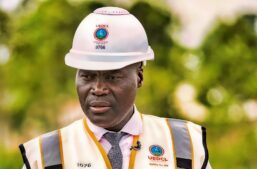
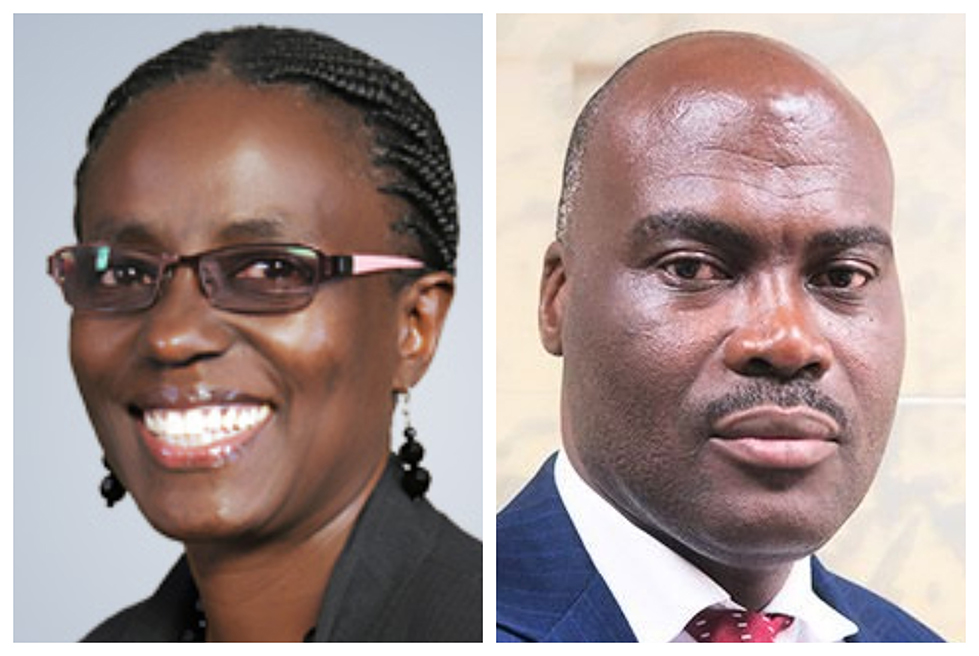
A source said the shake-up had affected UEDCL board chairperson Lydia Ochieng-Obbo, who has been terminated, and Managing Director Paul Mwesigwa, who has been sent on forced leave.
“True, we are waiting for facts so that we can put out a statement tomorrow. The Board chair was terminated, and the MD was sent on forced leave,” the source said.
It was not immediately possible to establish who else had been affected or the specific reasons behind the decisions.
The reported changes come against the backdrop of an investigation into UEDCL’s operations, ordered by the Ministry of Energy following concerns raised in a performance assessment by the Electricity Regulatory Authority (ERA).
In December, the Ministry directed the UEDCL board to conduct a comprehensive probe into the conduct and performance of top management, stressing transparency and due process.
At the time, the Ministry of Energy noted no staff had been dismissed and described the exercise as a standard internal review rather than a punitive action.
The developments also revive earlier tensions within the government after Prime Minister Robinah Nabbanja intervened to block an attempt by the Energy Ministry to dismiss senior UEDCL managers.
In a December 3 letter to Energy Minister Ruth Nankabirwa, Nabbanja warned against what she described as “massive termination” of top managers following a confidential ERA report, cautioning that such actions could trigger unintended consequences at a critical time for the sector.
Uganda’s electricity distribution network reverted to government control under UEDCL on April 1, 2025, after the expiry of Umeme’s 20-year concession, marking a major shift in the power sector.
While UEDCL has reported progress, including the addition of more than 640,000 new connections and a reduction in technical losses, these gains have been overshadowed by persistent power outages and public dissatisfaction.
The transition also exposed deep structural challenges, including ageing infrastructure, overstretched substations, and inherited defects such as thousands of deteriorating poles and overloaded transformers.
Tensions within the sector have intensified, with UEDCL and ERA trading accusations over performance failures.
UEDCL has cited inherited infrastructure defects valued at about $85 million, while ERA has accused the company of inefficiency and poor management.
The situation has further been complicated by policy debates over the future structure of electricity distribution, including previously floated proposals to reintroduce private players, an idea that drew political scrutiny and was later downplayed by the Energy Ministry.
Prime Minister Nabbanja had earlier directed the Energy Ministry to halt both proposed dismissals and restructuring plans pending Cabinet review, raising questions about whether the latest reported actions align with that directive.
Sourced also indicated that the Ministry of Energy would issue an official statement today on the developments at UEDCL.
This is a breaking story. More details shall be availed as and when we get them.