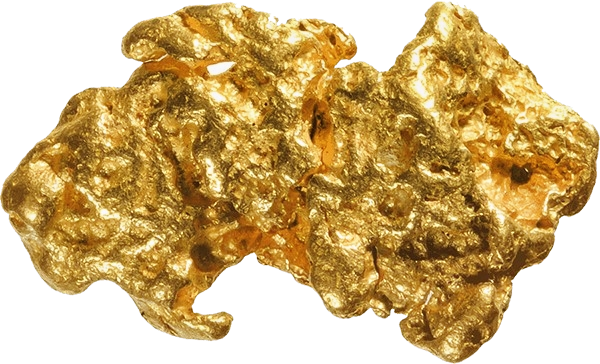
The Bank of Uganda has officially launched a three year pilot Domestic Gold Purchase Programme, in a move aimed at strengthening and diversifying Uganda’s foreign exchange reserves through the purchase and processing of locally mined gold.
According to the central bank statement, test purchases under the programme commenced on April 17, 2026, with the initiative designed to enable Uganda to buy domestically mined gold, refine or process it to meet international monetary gold standards, and eventually include it in the country’s official foreign exchange reserves.
The Bank of Uganda recently signed contracts with two local firms to begin purchasing gold, marking a significant shift in how the country manages its mineral wealth and foreign exchange reserves.
The agreements with EuroGold Refinery Limited and Feldstein Trading Limited will enable the central bank to start buying gold this month, beginning with 100kg valued at about UGX 592b ($160m).
The programme is expected to bolster reserve adequacy while reducing risks associated with conventional reserve instruments.
By adding gold to the reserve portfolio, the initiative seeks to build a more diversified and resilient reserve base.
Under the arrangement, gold will be bought from eligible, prequalified and licensed miners in Uganda, with payments made in Uganda shillings based on prevailing international gold prices.
After purchase, the gold will be delivered to designated, prequalified refineries for assaying, after which it will be stored at the Bank of Uganda.
The gold will then either be refined domestically or otherwise processed to meet international monetary gold standards before being certified and incorporated into Uganda’s official foreign exchange reserves.
The pilot programme is also expected to support the formalization of Uganda’s gold sector by promoting local value addition and strengthening economic linkages.
Over the three year pilot period, the full value chain will be tested, from the purchasing of gold to its inclusion in official reserves, while also enhancing traceability systems.
A major pillar of the programme is a robust chain of custody framework, seen as essential to ensuring full traceability of gold from the mine site to export.
The traceability mechanism was developed with the support of the Ministry of Energy and Mineral Development and is intended to provide visibility across the supply chain, enable verification of gold origin, and safeguard the integrity of the programme.
The framework aligns with obligations under the International Conference on the Great Lakes Region Regional Certification Mechanism, which requires member states to implement traceability systems that verify mineral origin and help prevent illicit flows.
It is therefore critical in ensuring a transparent and accountable supply chain, mitigating the risks of illicit trade, and strengthening confidence in Ugandan gold in both domestic and international markets.
In line with regulatory requirements, a Mineral Dealer’s Licence has been obtained from the Ministry of Energy and Mineral Development, and registration has been completed with the Financial Intelligence Authority as an accountable entity for Anti Money Laundering and Countering the Financing of Terrorism compliance.
The controlled three year pilot will allow for testing of operations, strengthening of controls, and application of lessons learned before any future scale up. Over time, the programme is expected to contribute to stronger reserves and a more formal, transparent and resilient gold sector in Uganda.
Readiness to begin purchasing gold follows extensive preparatory work undertaken under the strategic guidance of a High Level Intergovernmental Committee bringing together key institutions, including the Ministry of Energy and Mineral Development, Solicitor General, Uganda Revenue Authority, Ministry of Finance Planning and Economic Development, National Environmental Management Authority, Financial Intelligence Authority, and the Uganda National Mining Company.
These preparations have produced a comprehensive operational framework covering governance, risk management, accounting, compliance, and a traceability mechanism to be used during the pilot.
Environmental, social and governance considerations are integrated through existing licensing regimes, including relevant safeguards as well as regular inspection and monitoring.
In establishing the Domestic Gold Purchase Programme, Uganda joins other countries, including Ghana and Tanzania, which have incorporated gold into their reserve management strategies by leveraging domestic production for broader economic goals.
 Court of Appeal Upholds UGX 50 Million Damages Against UDB for Unjustified Withdrawal of Client Loan Facility
The initiative also supports the Government’s ten fold growth strategy, in which mineral development is a key pillar and serves as a macroeconomic tool for sustainable development.
The programme will be implemented in a prudent, transparent and accountable manner, consistent with its mandate and international best practices.
A trillion shilling market
Uganda’s Ministry of Energy and Mineral Development tightened control over Uganda’s gold trade, in a move that came amid record breaking export earnings, a planned entry into domestic gold buying, and persistent concerns over transparency and conflict linked supply chains, according to a public notice issued on December 19, 2026.
The Ministry issued a public notice restricting gold trade to licensed players, directing that transactions could only take place between holders of valid mineral dealers’ licences for precious metals, gold mining licences, or refining licences under the Mining and Minerals Act, 2022.
The notice outlined procedures governing gold transactions, from registration and licensing to export and import requirements.
Prospective traders must register on the Mining Cadastre and Registry System, present identification and tax details, and apply for a Mineral Dealer’s Licence, which carries an application fee of UGX500,000 and an annual fee of UGX10 million.
Dealers must demonstrate financial capacity, technical competence and tax compliance, while buyers verify sellers, confirm the source of gold and maintain proof of purchase.
Export permits are issued per consignment upon proof of refining to at least 99.9 percent purity, supported by certificates of origin, analysis and payment of statutory fees.
The enforcement came as Uganda’s gold sector posted its strongest performance on record.
Between November 2024 and October 2025, gold exports earned UGX19.7 trillion, about USD5.51 billion, making gold the country’s largest source of foreign exchange.
In October 2025 alone, exports reached USD965 million, the highest monthly figure in the period.
The growth was driven by Uganda’s role as a regional refining and trading hub, with raw gold sourced locally or imported, refined and re exported to international markets, supporting the shilling, reserves and fiscal space.
Alongside this, plans to begin domestic gold purchases gained momentum. The programme, first outlined in 2024, was expected to strengthen foreign reserves while reducing reliance on international financial markets.
Pricing is based on international benchmarks and paid in Uganda shillings, with suppliers required to notify quantities in advance.
The shift toward local gold purchases is expected to redirect part of the supply away from export markets toward reserve accumulation, potentially moderating export volumes even as overall sector activity remains strong.
The policy is expected to align with mineral value addition and import substitution strategies, while supporting artisanal and small scale miners.
Despite strong earnings, the sector remains fragmented, with artisanal miners, middlemen, refiners and exporters operating across a chain marked by price distortions, tax evasion and smuggling risks.
Uganda’s proximity to conflict affected regions in eastern Democratic Republic of Congo continues to raise concerns over illicit gold flows and reputational risks in global markets.
Uganda’s gold trade has experienced sharp swings over the past decade, rising from minimal earnings in the early 2010s to over USD 2 billion during the Covid 19 period, before collapsing in 2021/22 due to regulatory disputes and taxes, and rebounding strongly in subsequent years to reach record levels.