The World Bank Board of Directors, yesterday, June 29th 2020 approved a $300 million (UGX1.1 trillion) budget support loan request by Uganda to boost the “Government’s capacity to prevent, detect and treat the coronavirus, protect the poor and vulnerable population, and support economic recovery.”
According to a statement released by the World Bank in Washington, this Uganda COVID-19 Economic Crisis and Recovery Development Policy Financing is the first budget support operation in more than 6 years and will address the fiscal financing gap while supporting reforms that will provide immediate relief to individuals and businesses that have been most affected by the pandemic.
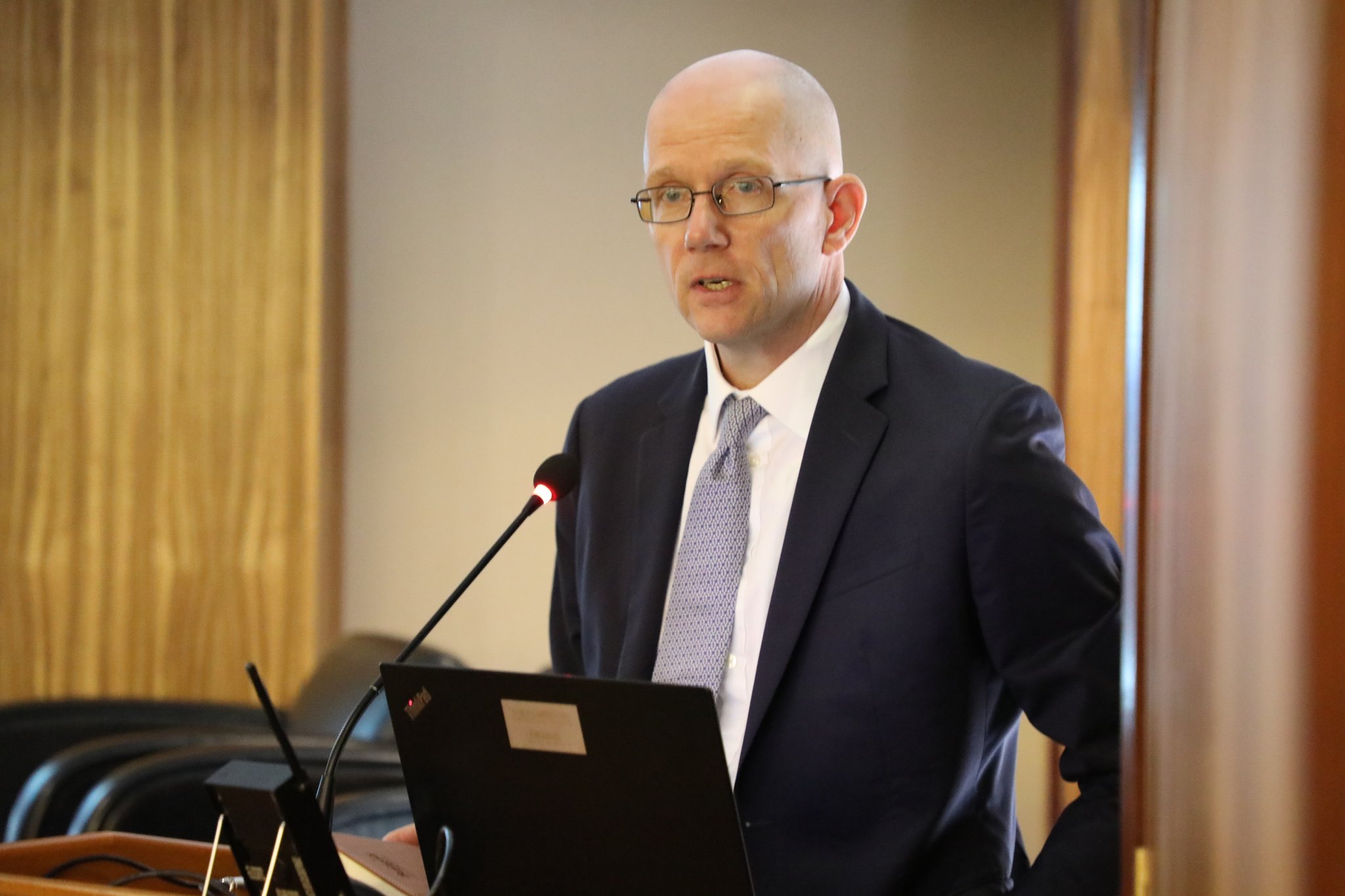
“The COVID-19 pandemic has had a significant impact on the economy and livelihoods. This budget support operation will enable the Government to provide vital services, social safety nets and a more robust shock-responsive system for the long term, and the economy to recover faster,” commented Tony Thompson, World Bank Country Manager for Uganda.
As of June 28, Uganda had registered 870 cases of COVID-19 with no fatalities. The World Bank said that the government had put in place containment measures such as restrictions on travel, public gatherings, closure of businesses and schools that have had had a severe impact on the economy and people’s livelihoods.
“An estimated 3.15 million could fall deeper into poverty, adding to the 8.7 million people Ugandans currently living below the poverty line. This has been worsened by the onset of heavy rains and flooding, and a locust invasion whose impact was expected during April-June of 2020. Overall economic growth is projected at 3 to 4 percent in FY2019/20, lower than the 6.3 percent that had been anticipated for the year,” noted the World Bank.
Bank of Uganda, however, at the start of June lowered its 2020 growth projections to between 2.5 to 3.5 percent and said that growth won’t recover till 2021 when it will grow by 4 to 5 percent, and finally fully recover to between 6 percent and 6.5 percent in 2022.
 Aga Khan Fund Exits Troubled Nation Media Group After 66 Years, Sells Controlling Stake to Tanzanian Billionaire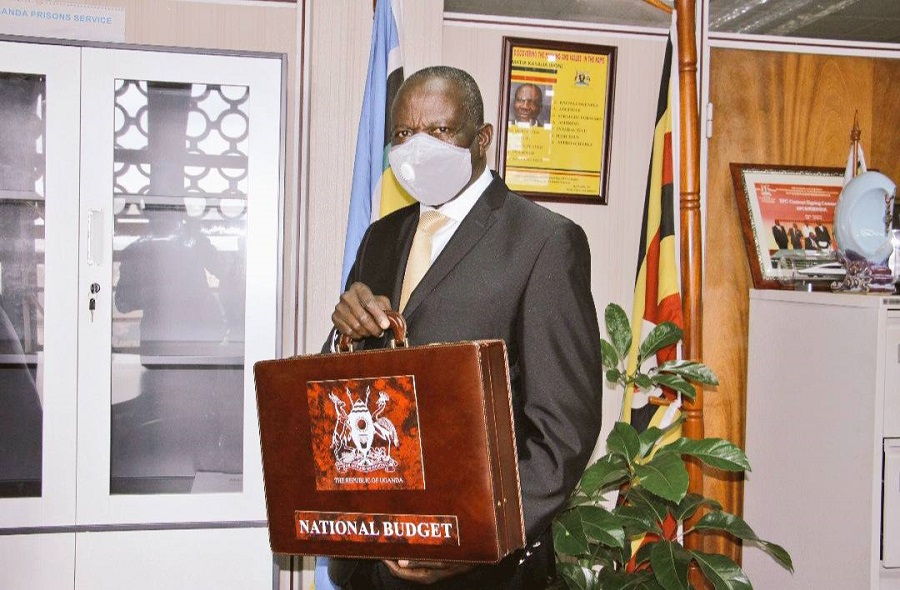
The World Bank hailed Uganda’s proposed policy measures directly benefit many low-income households. These include supporting farmers to access high-quality agricultural inputs, seeds and fertilizers using e-vouchers to boost nutrition and food security. Social protection programs through cash for work labour intensive programs were also proposed in the 2020/21 budget to benefit 500,000 individuals while the current senior citizen grant would cover an additional 71 districts to support the elderly. Uninterrupted access to essential utilities like electricity, water and sanitation services was also guaranteed through subsidies, and tax exemption extended to supplies and equipment used in the treatment of COVID-19.
“To stimulate the recovery of the private sector, businesses in distress will receive tax relief alongside the liquidity measures from the Central Bank to commercial banks, microfinance institutions and credit institutions that allows them to provide a moratorium on loan repayment for businesses and individual borrowers that have been affected by the pandemic for up to 12 months. In addition, the Government has committed to stronger transparency and management of state-owned enterprises debt and payment of domestic arrears to suppliers,” the World Bank noted.
According to a motion presented on May 20th 2020, by the State Finance Minister for Planning, Hon. David Bahati, Uganda, the loan is for a period of 38 years, with a grace period of 6 years. It comes with a 0.75% interest per annum on the withdrawn credit balance and a 0.5% interest per annum on the unwithdrawn financing balance.
Government of Uganda is to borrow up to USD1.51 billion (UGX5.7 trillion) from various multilateral lenders, to plug Covid-19 related gaps. On top of the USD300 million from World Bank, the government is also borrowing USD491.5 million from the IMF, USD224 million from the African Development Bank (AfDB), USD55.6 million from the African Development Fund (AFD), USD 229.47 million from the African Development Bank (AfDB, and Euro 90 million (equivalent to USD 105 Million) from the Agence Francaise De Development (AFD) to finance various initiatives.