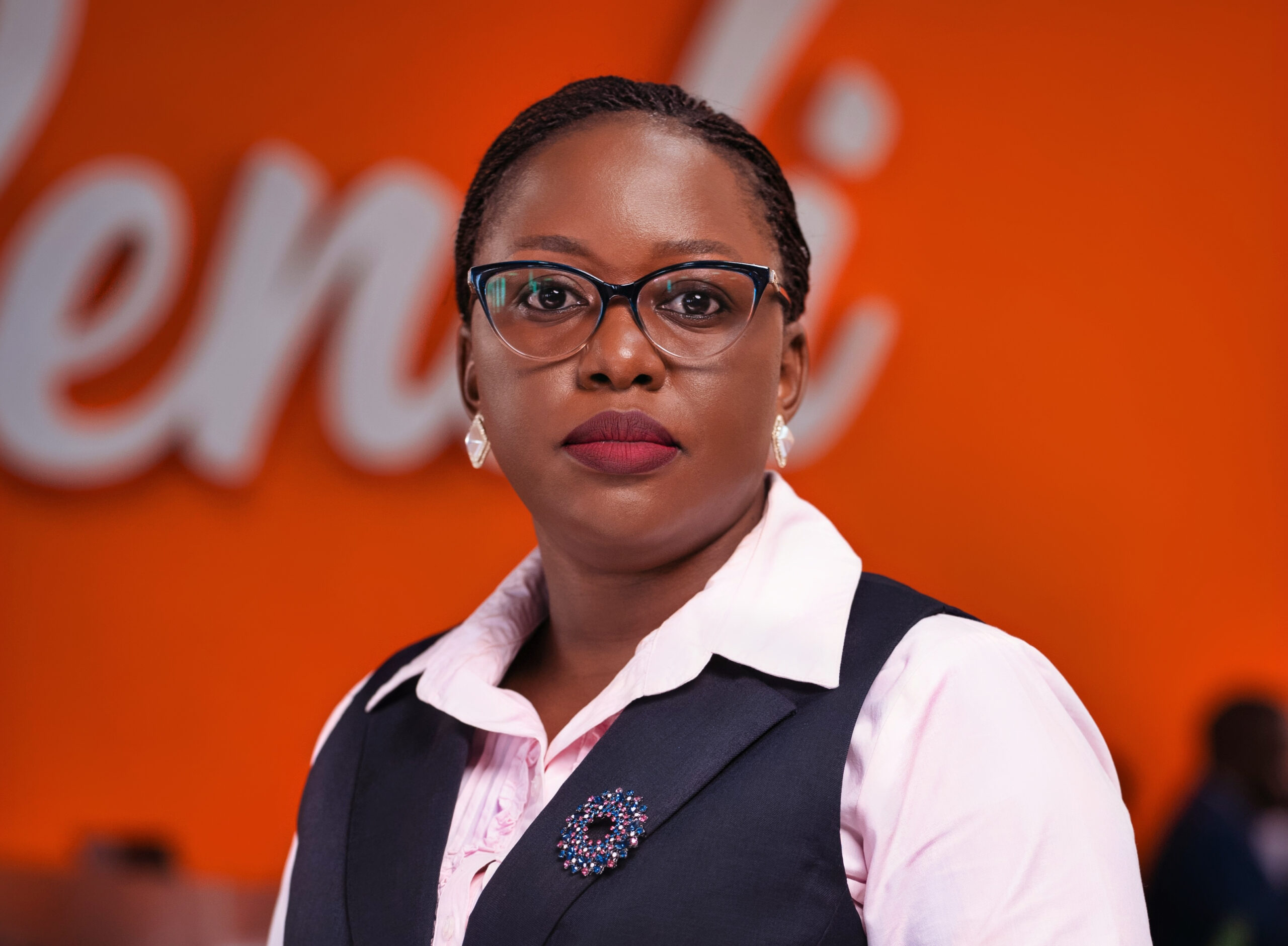
By Laura Bahemuka
As we mark International Women’s Month, the conversation around women in leadership is evolving. It is no longer just about representation.
It is about impact, influence, and the kind of change we are driving within critical sectors like finance.
From where I sit as Head of the MSME and Retail Products at Pearl Bank Uganda, it is increasingly clear that women are not just participating in financial systems. We are actively reshaping them to be more inclusive, more sustainable, and more responsive to real needs.
This shift is already visible in Uganda’s financial landscape. World Bank data confirms that 66.4% of women in Uganda own a financial account (bank or mobile money) as of 2024, compared to 80.3% of men, resulting in a 13.9 percentage point gap.
Uganda now ranks among the countries with the lowest gender gaps in Africa. However, access alone does not tell the full story. The real challenge lies in how these accounts are used.
From my perspective, leadership as a woman comes with a distinct advantage. Women naturally nurture and shape the future.
That shows up in how we see things, how we interpret situations, and how we respond to the environment around us. It influences everything from business decisions to customer engagement.
There is a deliberate effort to understand before acting, to ensure that solutions are not just effective, but meaningful.
This way of thinking is increasingly visible across institutions. Women are leading in areas like marketing, SME banking, and strategy.
In those roles, there is a noticeable shift with more focus on impact, more attention to long-term outcomes, and a stronger sense of purpose in how financial services are delivered.
Financial inclusion is one area where this leadership is making a real difference. There is a clear and intentional effort to bring more women into the financial system, not just as customers, but as empowered participants who understand and use financial tools effectively.
Yet, despite improved access, disparities in usage persist. Some women still rely on informal systems for saving and borrowing.
Data from Financial Sector Deepening Uganda (FSD Uganda, 2023) shows that about 50% of women prefer informal savings mechanisms such as Village Savings and Loan Associations, compared to about 31% of men. This reflects deeper structural realities.
Several gender-specific barriers continue to shape how women engage with finance.
These include limited access to collateral, lower levels of digital literacy, social norms that restrict financial autonomy, and, in some cases, high bank fees. More evidence from UN Women Africa and FSD Uganda highlights these as key constraints affecting women’s financial usage.
At Pearl Bank, we have been intentional in responding to this. As part of our sustainability agenda, we are developing solutions specifically designed to support women.
 When Hormuz Closes, Africa Pays First
One of these is a customer value proposition we are building, known as Pearl Woman, aimed at strengthening women’s livelihoods and positioning them for growth in all financial aspects.
We have also placed strong emphasis on financial literacy. In many of our financial literacy sessions and business clinics, women form the majority of participants.
In some cases, we deliberately structure participation to ensure that up to 80% are women. This is because access without understanding does not translate into impact.
Digital platforms are also playing a critical role. Through solutions like Pearl Bank’s Wendi mobile wallet, women are able to access credit, savings, and payments without disrupting their daily responsibilities.
Whether it is running a business or managing a household, convenience becomes critical. And when financial services meet women where they are, adoption follows.
What is often misunderstood is how women engage with risk. There is a perception that women are risk averse. From my experience, this is not about avoiding risk, sometimes, it is about understanding it.
Women take time to ask questions. They assess before they commit. And once they commit, they follow through. This is part of the reason why they are consistently among the most reliable borrowers. They take loans with purpose, use them as intended, and prioritize repayment.
So the opportunity is not to change this behavior. It is to support it. With the right information, guidance, and products, women make decisions that benefit not just themselves, but their businesses and communities.
Leadership then becomes more than a position. It becomes a responsibility to open doors for others.
For me, this means ensuring that opportunities are not just created, but also accessed. There are many initiatives, including government-supported financing programs for women, but the question is whether the information is reaching the right people.
It is not enough for these opportunities to exist. Women in leadership must ensure that the opportunity reaches the last mile.
It can be as simple as ensuring that women know about an opportunity, or as significant as shaping products that directly address their needs. Impact grows when information flows.
There is also the power of storytelling. For many women, seeing someone else succeed makes the possibility real. It becomes proof that it can be done. Stories carry validation, hope, and direction.
For young women, my message is simple. Be clear about what you want. Start wherever you are, even if it feels small. Then find a way forward and do not back down.
The author is Head of MSME & Retail Products, Pearl Bank Uganda.