Have you ever wondered what truly distinguishes a successful CEO from the rest?
Beyond titles, corner offices, and headline results, what habits sustain leaders at the very top?
That is especially in environments marked by volatility, regulation, rapid technological change, and heightened stakeholder scrutiny.
In Uganda’s evolving business landscape, chief executives are leading institutions that carry enormous economic, social, and national significance.
From telecommunications and banking to insurance, capital markets, energy, real estate, and pharmaceutical manufacturing, these leaders operate at the intersection of people, capital, and long-term responsibility.
Their decisions ripple far beyond balance sheets, shaping livelihoods, markets, and public trust.
Yet when asked what makes them effective, these CEOs do not speak first about strategy documents or quarterly targets.
Instead, they return to habits; deeply personal disciplines formed over time that anchor their leadership amid complexity. Listening. Presence. Integrity. Reflection. Execution. Care for people. Ownership.
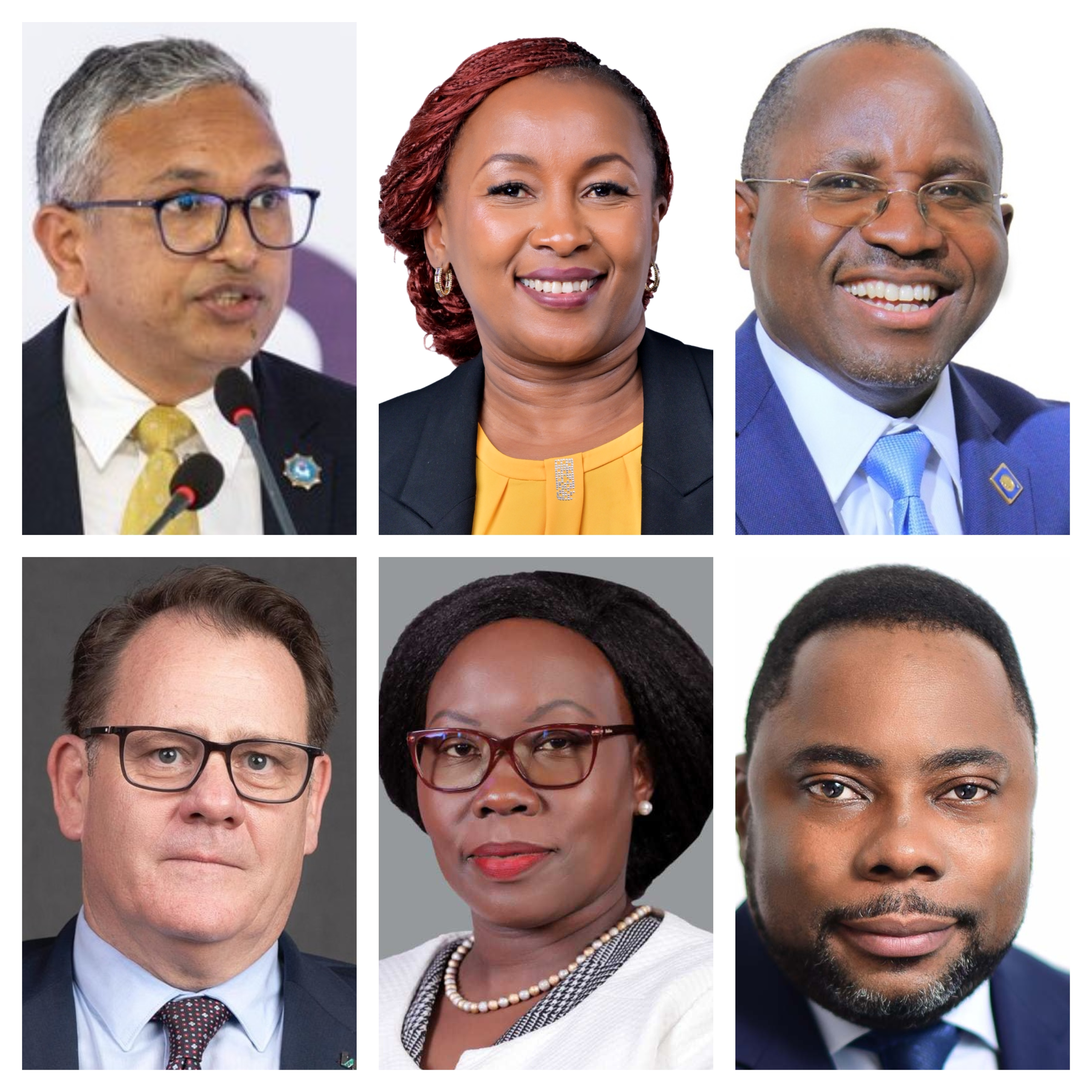
In this special feature, the CEO of East Africa Magazine tapped into the minds of some of Uganda’s most influential business leaders, offering a rare, unfiltered look at the habits that sustain success at the highest level.
Together, their voices reveal a powerful truth: sustainable leadership is not built in moments of visibility, but in daily practices, consistently lived.
What emerges from these conversations is not productivity routines, but deeply ingrained leadership disciplines; habits of thought, behaviour, and decision-making that sustain leadership at scale.
Listening, learning, and focus at scale: Sylvia Mulinge, CEO, MTN Uganda

As the chief executive of Uganda’s largest and most profitable telecommunications company, Sylvia Mulinge leads an organisation that touches millions of lives daily. It is through voice, data, and mobile money. She says the most important leadership habit is deceptively simple: listening.
“Listening is the habit that has shaped my leadership the most. The answers always lie with your people. A CEO’s value is not in having all the solutions, but in creating an environment in which solutions can emerge.”
In MTN Uganda’s boardroom, Mulinge says curiosity and humility are not optional; they are cultural disciplines.
“We live by a simple mantra: argue as though you could be right, but listen as though you could be wrong. It keeps us curious, humble, and open to fresh thinking.”
This openness is paired with ruthless clarity.
“Not everything can be important; clarity accelerates progress,” she notes, adding that continuous learning is essential in an industry that evolves daily.
For Mulinge, leadership is sustained through a balance of listening, prioritisation, and learning, habits that allow a large, complex organisation to remain agile and relevant.
“Listening keeps me informed. Prioritisation keeps me focused. Learning keeps me ahead,” she reckons.
Presence and human connection: Tetteh Ayitevie, CEO, Prudential Uganda
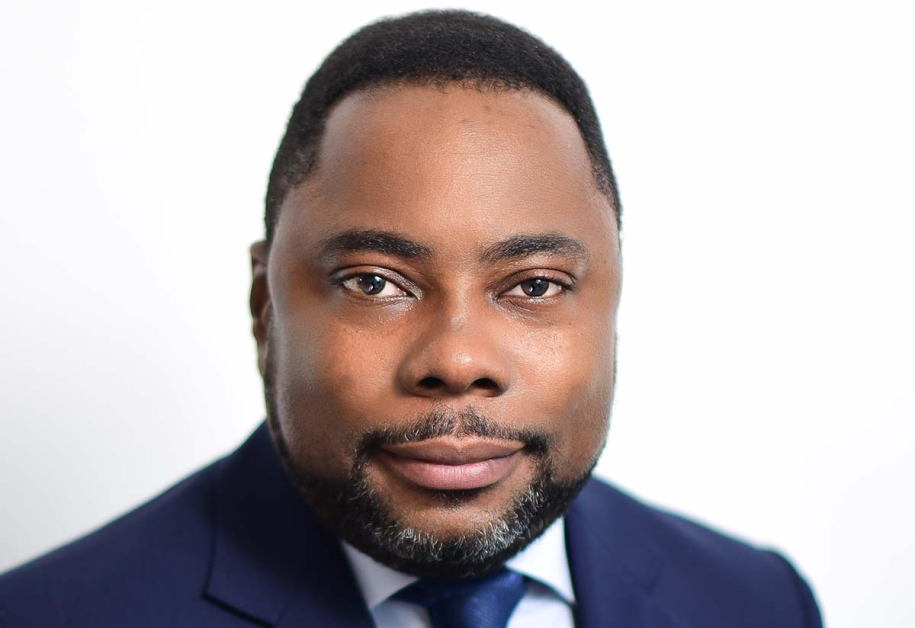
He is the CEO of Uganda’s largest life insurer and part of the global Prudential group. Tetteh Ayitevie leads in a sector where trust is the product. His leadership philosophy is anchored in presence and human connection.
“A successful CEO must be approachable and consistently present,” he says.
Prudential Uganda’s tagline, Tuli Nawe (“We are with you”), is not just customer-facing; it defines his internal leadership style.
“I intentionally get to know people on a personal level because leadership becomes far more effective when your team genuinely feels you are with them.”
This approach, he says, builds trust, loyalty, and accountability.
The company’s guiding philosophy, The Pru Way, reinforces empathy, closeness, and commitment, qualities Ayitevie believes are non-negotiable in insurance leadership.
“Effective leadership in insurance demands clarity, resilience, and foresight — habits which strengthen our ability to deliver every single day.”
Integrity as a non-negotiable: Josephine Okui Ossiya, CEO, Capital Markets Authority

For Josephine Okui Ossiya, who leads Uganda’s Capital Markets Authority, leadership is a long-distance race.
“My career has taught me that success is a marathon, not a sprint.”
As a regulator shaping the integrity and credibility of Uganda’s capital markets, Ossiya believes leadership habits must be grounded in values.
“Integrity and continuous growth are non-negotiable for any leader who intends to build trust and maintain credibility.”
Her willingness to embrace new challenges, she says, has guided every step of her professional journey.
“These qualities have guided every step of my professional life and remain central to sustainable leadership.”
In a role where public trust is paramount, consistency of values matters as much as technical competence.
Stability, reflection, and authenticity: Robin Bairstow, CEO, I&M Bank Uganda
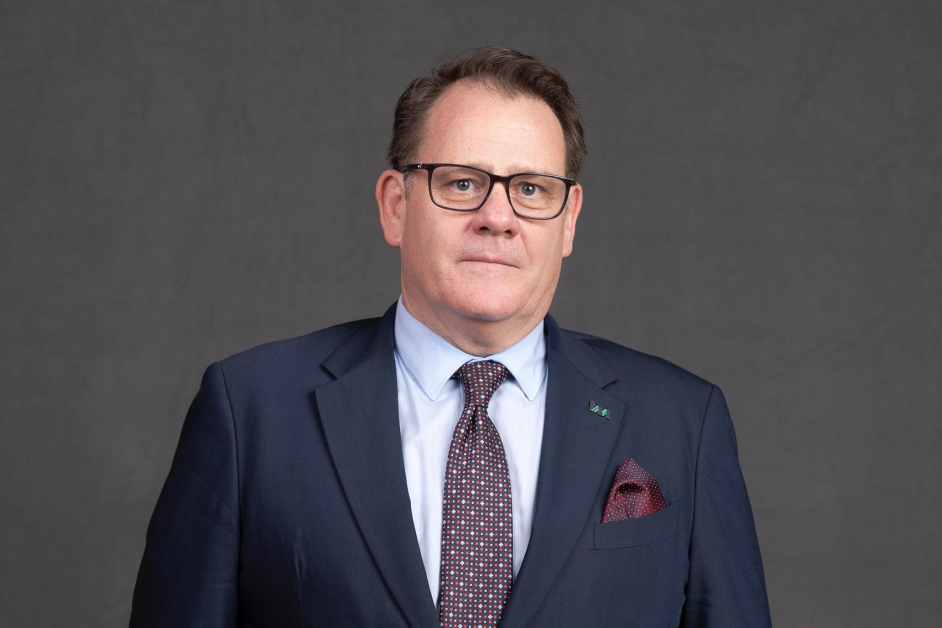
Leading a regulated financial institution in a volatile global environment requires more than speed and ambition. It demands steadiness, self-awareness, and emotional discipline.
For Robin Bairstow, CEO of I&M Bank Uganda, successful leadership is anchored in habits that reinforce stability, consistency, and thoughtful decision-making.
“A successful CEO cultivates habits that reinforce stability, discipline, and continuous learning,” Bairstow says.
At the centre of his leadership philosophy is a deceptively simple discipline: presence.
“A foundational habit is simply showing up; physically, mentally, and emotionally,” he explains. “When leaders are consistent, honour their commitments, and remain visibly engaged, they embed a culture of accountability.”
In a fast-paced financial world where reaction often substitutes for reflection, Bairstow deliberately creates space to slow down and think.
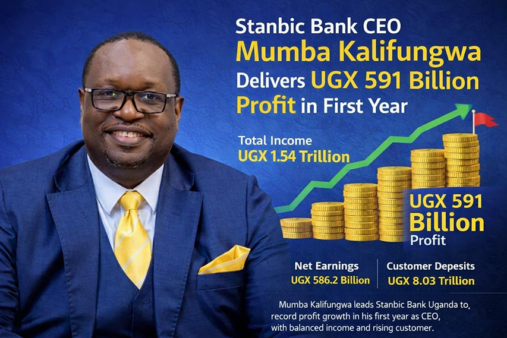
 Stanbic’s Five-Year Scorecard: How Profit Growth, Deposits, Lending and Dividends Reshaped Performance
“Reflection is equally vital. Whether through reading, exercise, or quiet moments, reflection ensures decisions are thoughtful rather than reactive,” he notes.
Adding that modern leadership requires leaders to balance urgency with perspective. “Modern leadership requires both pace and perspective; reflection helps balance the two.”
Authenticity, he argues, is not a soft attribute but a core leadership currency.
“People gravitate towards leaders who are genuine, value-driven, and comfortable in their own skin,” Bairstow says. “Trust flows from authenticity, and trust is the currency of effective leadership.”
He also highlights the importance of mental discipline, particularly during periods of turbulence.
“A strong CEO learns to compartmentalise to filter noise from what is essential — especially during turbulent periods,” he says.
Finally, Bairstow believes curiosity is what keeps leaders relevant in an ever-changing world.
“Curiosity sustains relevance. Leaders who remain open to new ideas, cultures, and ways of thinking can thrive in a rapidly changing world.”
These habits, he reflects, are not abstract ideals but daily practices that guide his leadership.
“These habits are my guiding light as I lead the teams through this fast-paced financial world.”
People, purpose, and legacy: Fabian Kasi, Managing Director, Centenary Bank
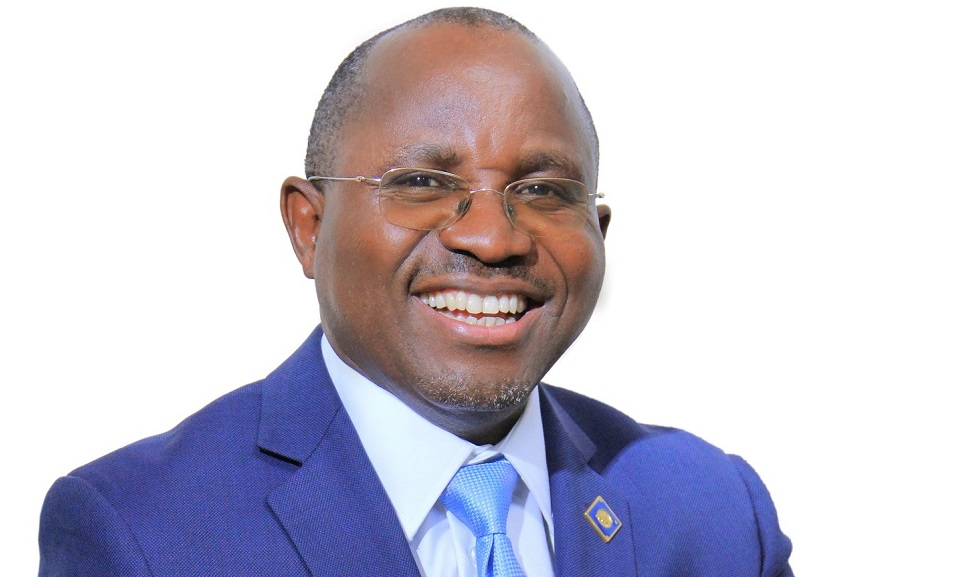
As Managing Director of Centenary Bank, one of Uganda’s most profitable and systemically important indigenous banks, Fabian Kasi leads an institution whose success is built not only on financial performance, but on trust, culture, and long-term stewardship.
For him, effective leadership begins with recognising that no organisation succeeds through a single individual.
“An effective CEO recognises that, while they sit at the top, the organisation is made up of many vital parts that must work together,” Kasi says.
At the core of his leadership philosophy is genuine care for people and a deliberate commitment to their growth.
“A CEO must genuinely care for the people they lead and invest in helping them grow, ensuring they can achieve greatness, even long after the CEO has moved on.”
In a highly regulated sector with multiple constituencies, Kasi places strong emphasis on communication and relationship management.
“Our bank has many stakeholders; shareholders, regulators, customers, the public, and these relationships require careful and respectful management,” he notes. “A good CEO must mentor, coach, and empower people.”
Beyond day-to-day performance, Kasi believes leaders must think deeply about the future they are shaping.
“A strong leader also thinks about legacy,” he reflects. “What culture are you leaving behind? What systems and values will sustain the organisation in your absence?”
Because leadership influence flows from the top, Kasi is intentional about modelling the culture he expects to see across the organisation.
“Everything flows from the head,” he says. “As a CEO, I must model the culture my teams expect, ensuring the organisation continues to deliver meaningful service to the communities it serves.”
For Kasi, leadership is ultimately about stewardship—building institutions that endure beyond individual tenures and continue to serve society with purpose.
Vision, ownership, execution, and culture: Ajay Kumar, CEO, Quality Chemical Industries Limited (Qcil)
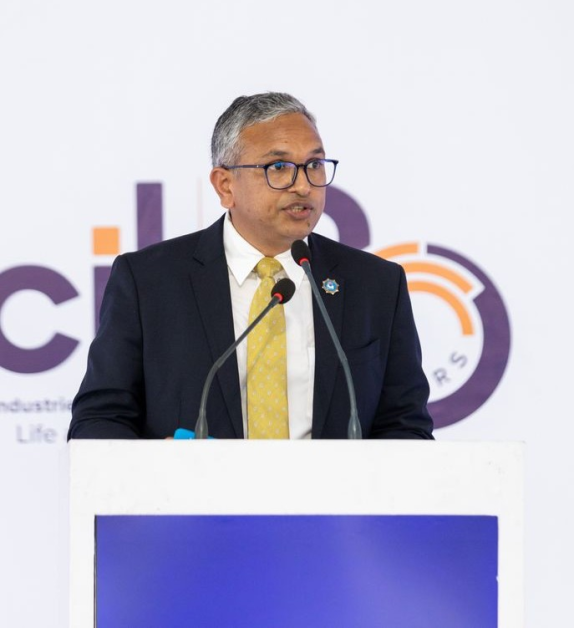
As Chief Executive Officer of Quality Chemical Industries Limited (Qcil), one of Uganda’s leading pharmaceutical manufacturers, Ajay Kumar leads in an environment where commercial performance intersects with public health, industrial capacity, and long-term national development.
For Kumar, effective leadership is neither accidental nor cosmetic; it is built on deliberate habits that translate vision into measurable value.
“Every CEO brings a different kind of value, and we often celebrate only those who achieve visible success,” Kumar reflects. “Yet most leaders, successful or not, strive to deliver the best outcomes.”
At the foundation of his leadership philosophy is vision — not as a slogan, but as a compass.
“A CEO must have a clear and compelling vision. Without vision, there is nothing to pursue and no direction for the organisation.”
But vision alone, he emphasises, is insufficient without disciplined follow-through.
“A strong plan means little without disciplined execution. Execution is what turns ideas into value.”
Kumar also places strong emphasis on ownership, a mindset he believes separates transactional management from true leadership.
“Although I am employed by the company, I think and act like an owner,” he says. “Every decision carries consequences, and ownership sharpens responsibility.”
He is equally clear that leadership is never a solo act. Sustainable success, he notes, depends on building teams whose capabilities evolve alongside the organisation.
“No CEO succeeds alone. You must surround yourself with talented people whose skills evolve alongside technological and industry shifts.”
Yet talent, on its own, is not enough. For Kumar, culture is the binding force that turns individual excellence into collective achievement.
“Talent alone is insufficient,” he explains. “For an organisation to achieve its goals, everyone — not just a handful — must be aligned. Culture provides that unity.”
These habits, Kumar concludes, are not theoretical ideals but lived practices that have shaped his leadership journey at Qcil and continue to guide his decisions.
“These habits have shaped my journey at Qcil, and I believe they hold true for leaders everywhere.”