South Africa’s MultiChoice Group, the parent company of DStv, has registered its worst financial performance in its history revealing a loss of ZAR 4.1 billion (USD 222 million) for the financial year that ended March 2024, after a loss of ZAR 2.9 billion (USD 157 million) in the previous financial year in March, 2023.
The Group suffered a 9% decline in active subscribers mainly due to a 13% decline in the Rest of Africa business as mass-market customers in countries like Nigeria had to prioritise basic necessities over entertainment, while the South African business showed more resilience than other regions with a 5% decline.
Despite a disciplined approach by the group towards inflation-led pricing, the Group faced a combination of unfavorable foreign exchange rates and a lower subscriber base resulting in a 5% net decline in group revenues to ZAR 56 billion (USD 3 billion).
Its subscription revenues were 7% lower and advertising revenues followed a similar trend both impacted by the weaker naira in the Nigerian market.
A large part of the company revenue was scooped from the South African market, then rest of Africa, and the Showmax streaming service, while most of the revenue came through subscription fees, advertising, decoders, installation fees , technology contracts, and licensing, insurance premiums and other revenue.
The Group is now considered to be technically insolvent with a decline in its total assets from ZAR 47.6 billion (USD 2.5 billion) to ZAR 43.9 billion (USD 2.3 billion), as its liabilities increased to around ZAR 45 billion, and a negative equity of ZAR 1.068 billion (USD 58 million).
A company is considered technically insolvent when it registers a negative net asset value with its liabilities being greater than its assets, or sometimes, a company can have the value of its liabilities rising at a faster rate than that of its assets due to increased debts or borrowings.
A combination of factors such as weaker subscriber trends and foreign exchange pressures as mentioned above also flowed through to group trading profit which declined by 21% to ZAR 7.9 billion (USD 430 million).
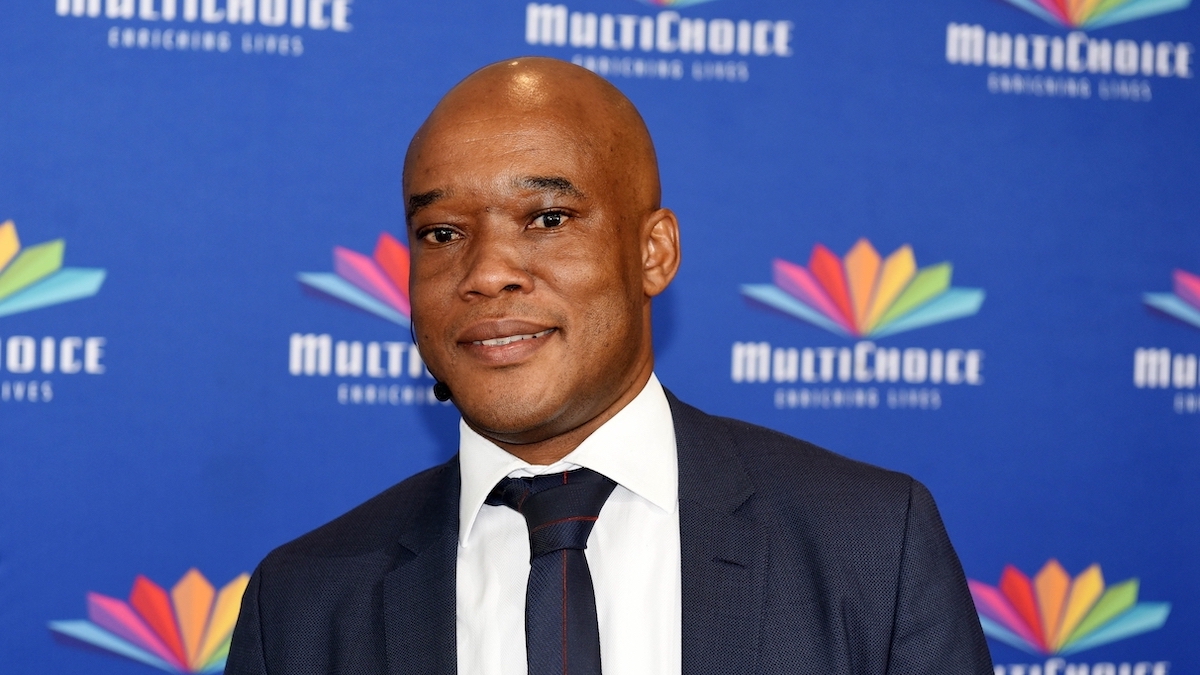
“While we are not alone in feeling the challenges of a weak consumer environment, I am proud of the speed and effectiveness of the team in implementing strategic actions to retain customers, safeguard cash generation and drive costs savings which surpassed our targets,” Calvo Mawela, MultiChoice Group Chief Executive Officer stated in the company financial report.
Mr Mawela noted that the company has shifted to building on solid foundations to drive growth in new areas with a focus on key segments such as video entertainment, interactive entertainment and fintech, and enhance business efficiency across the company’s operations.

However, Showmax, the company’s streaming service re-launched in February, showed encouraging early traction – delivering record single-month growth in March 2024, with the paying subscriber base growing 16% from the migrated base at relaunch to year-end.
At Africa’s regional level, Multichoice indicated that its performance was impacted by the Nigerian economy and consumers faced persistent challenges through 2024 financial year.
The removal of fuel subsidies, sharp currency depreciation with the official naira halving in value, inflation climbing to over 30%, and higher emigration of the middle and upper class drove an 18% year- on- year decline in active which reduced Nigeria’s contribution to Rest of Africa revenues from 44% to 35%. Ghana saw a similar subscriber trend given an inflation rate that is still above 20% .
Multichoice’s performance in East Africa remained highly competitive, but still lower end subscribers were most impacted by macro pressure resulting in active subscribers closing down at a 3 % increase. Ethiopia performed well, while the pressure on the Kenyan shilling necessitated two price increases which brought the total increase for the year to 9%.
The Group was also affected because the Angolan kwanza was under significant pressure, with the average rate 70% weaker and the business having to manage static pricing due to delays in regulatory approval for price increases.
Zimbabwe performed well, whereas Zambia was impacted by high inflation, power shortages, delays in salary payments to government employees and a 20% weakening of the Zambian kwacha which necessitated an additional price increase mid-way through the year.
The commencement of the Showmax investment cycle reduced the group’s trading profit by ZAR 1.4 billion (USD 76 million). Nonetheless, the group was able to generate positive operating leverage on the back of a 3% organic increase in revenues against a 1% organic decrease in operating expenses.
The Group’s trading statement shows it expects headline losses per share to increase due to the negative impact of a weak macroeconomic and consumer environment, increased investment in Showmax, and the impact of the sharp depreciation in the Nigerian naira (NGN) against the US dollar (USD) resulting in foreign exchange losses on the non-quasi intergroup loans with MultiChoice Nigeria of 3.6 billion (USD 196 million), as net of tax and non-controlling interest.
Despite the weak operating environment, group trading profit on an organic basis which reflects results on a constant currency basis but excluding Mergers and Acquisitions, is expected to increase year- on – year due to inflation-led pricing across the majority of the group’s markets and cost optimisation performance.
Outlook
Nonetheless, to navigate the current economic downturn and position the business for future upside, the group will further accelerate its cost saving programme with a target of ZAR 2 billion for the 2025 financial year, and reduce capital outlays, prioritise customer retention, leverage popular sports renewals, develop its local content pipeline further and leverage promising traction in its new platforms and services.
The group will also continue its efforts to drive growth in focused areas, notably Showmax, Moment, SuperSportBet, DStv Insurance, DStv Internet and DStv Stream, while working hard to retain its DStv and GOtv customers and support their activity rates through the 2025 financial year.
The group has largely focused on its 90-day subscriber metric since listing in order to provide shareholders and market observers with a subscriber metric that looks through the monthly volatility in the subscriber base.
However, management is increasingly managing the business on the basis of active subscribers to optimise retention and activity rates from month-to-month in a low growth environment. As a result, the group is focusing and commenting on active subscribers rather than 90-day active subscribers but will continue to disclose both metrics for continuity.
Elias Masilela, a trained economist holding business interests in a number of South African companies took over as the Group chairman with effect from 23 April 2024.

Netflix Strikes $82.7 Billion Deal to Take Over Warner Bros., Redefining the Global Entertainment Landscape