The UN Capital Development Fund (UNCDF) has called upon Digital Financial Services (DFS) stakeholders to open their digital interfaces and data systems to accelerate the growth of the digital economy in Uganda.
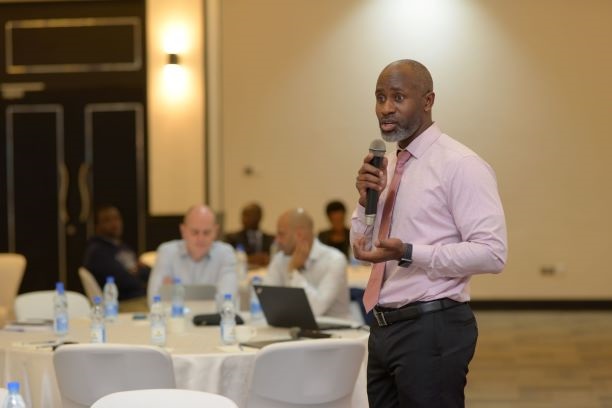
Speaking at a workshop on November 28th 2019 – OPEN APIs/ OPEN DATA in the Digital Economy – held at the Mestil Hotel in Kampala, Chris Lukolyo, the Digital Country Lead at UNCDF said that open digital payment ecosystem will allow various stakeholders to easily leverage data and payment functionalities to develop innovative digital service-offerings which will in turn contribute to the achievement of the Sustainable Development Goals (SDGs).
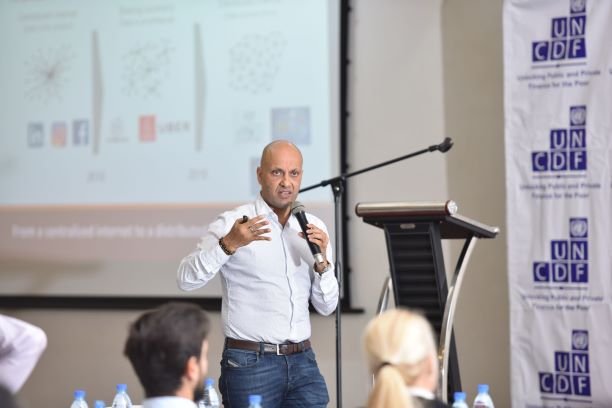
The workshop was facilitated by Aiaze Mitha a renowned international expert in DFS and open payments ecosystems.
“At UNCDF, we believe that this is key in ensuring that the most vulnerable communities are not left out in the digital transformation process,” he said.
The workshop brought together DFS providers (banks, Telcos & FinTechs) and policy makers to discuss how opening Application Programming Interfaces (APIs) and data systems will accelerate digital transformation and innovation in Uganda.
 Deal Makers: Meet Deloitte Advisors Behind Absa’s Acquisition of StanChart’s Wealth and Retail Business in Uganda
Open digital payments ecosystems are a growing phenomenon and are enabling new business models across emerging economies in the digital space. In Uganda, this remains a novel idea, not fully understood in the industry. Few companies are only beginning to consider opening their digital infrastructure and data systems to third parties. Additionally, many innovators remain unaware of how best to get value out of such open systems and infrastructure.
The Open APIs/Open Data workshop addressed a range of topics, including the DFS landscape, the rise of FinTech and super-platforms, “what” an open payment’s ecosystem looks like and “why” it is important for the Ugandan in the context of the digital economy; and practical pathways for DFS providers and innovators towards the transformation to an open payments ecosystem.
The workshop attendees also heard from some of the industry leaders in the latest developments in the open API economy and from innovators that have leveraged open APIs and Data in their business models.
“UNCDF will continue to work with the government and the private sector to promote an inclusive digital economy and fast-track universal access to life transforming digital services,” Lukolyo added.