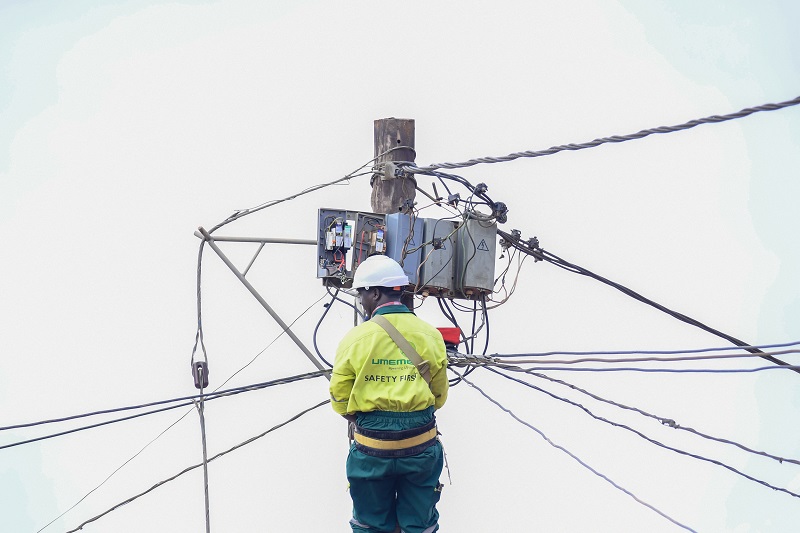
Umeme Limited, Uganda’s largest distributor of electricity has welcomed government’s move to allow customers who can afford to, to pay for their connections as the impasse around the Electricity Connections Policy (ECP) is resolved.
Sitting on 26th October 2020, cabinet, according to a statement by the Uganda Media Centre, “agreed to temporary halt the implementation of the provision of connection subsidies to consumers in cognizance of the constraints to the budget.”
Cabinet, further, according to the statement, “authorized the Minister of Energy and Mineral Development to issue a policy direction in the interim with effect from 1st March 2021 to authorize electricity connections to customers who have the capacity to pay for them.”
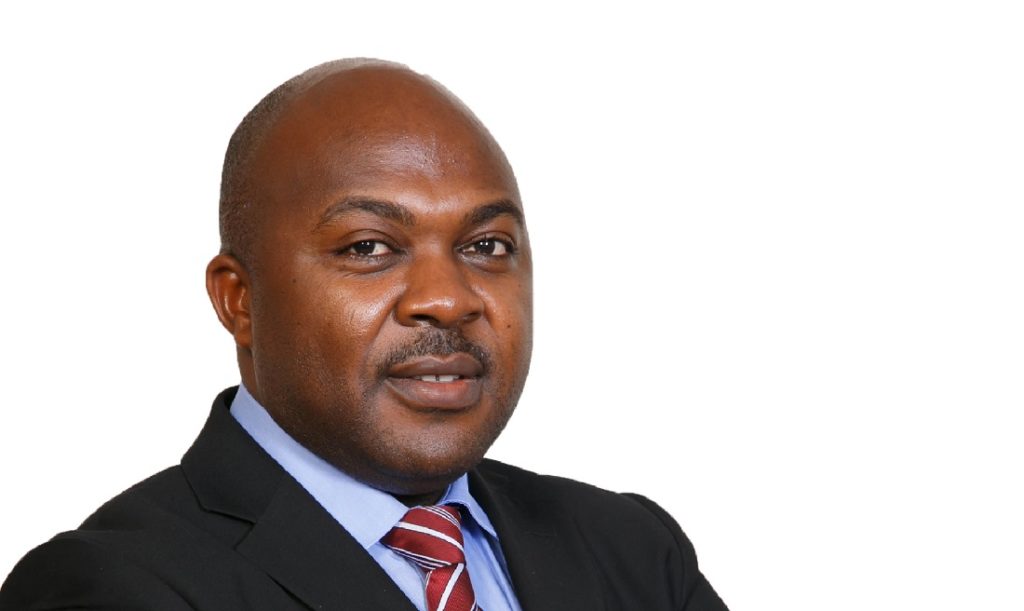
In a phone interview with this reporter, Selestino Babungi, the Umeme Managing Director said that Umeme has been stuck with over 240,000 consumer applications they could not connect due to funding constraints on the government side, yet the same customers, even when they could afford, Umeme was not allowed to connect them.
“The proposed ECP policy amendment to allow willing customers to pay the full cost, enables our customers to get connected without waiting for the government subsidy,” Babungi said.
Umeme in July suspended ECP following continued failure by government to remit payments for the connections effected under the policy.
ECP is a government and donor co-funded initiative that was approved by Cabinet in January 2018 but officially rolled out later in November the same year. It is to run until 2027. The initiative aims at increasing customer connections by 300,000 annually, thus growing electricity access to 60 per cent by 2027.
The 10-year project, being implemented by the Rural Electrification Agency (REA) is estimated to cost USD558 million of which, development partners had committed USD80 million.
Through ECP, government subsidizes no-pole and one-pole last-mile connection costs. Customers only pay UGX20,000 to cover inspection of customers’ premises for appropriate wiring and readiness for connection to the electricity grid.
The project was a result of multiple outcries from the public that electricity connection costs were prohibitive. Initially, according to REA, electricity connections averaged at least UGX650,000 to obtain a no-pole connection and more than that, depending on the number of poles needed.
The policy prescribed that Umeme and other power distributors such as Uganda Electricity Distribution Company Limited (UEDCL) among others make the connections and invoice REA which would verify and pay the amount due for the connections.
 Inside Uganda’s Gorilla Permit System: Where Does a Gorilla Permit Shilling Go?
The ECP project was also envisaged to increase demand for electricity by 500MW by 2027. Suppressed demand has been sighted as a key risk as dampened demand would not only affect access to electricity but also subject Uganda to increased capacity payments for already commissioned dams whose loans also need to be paid. With an installed generation capacity of 1182.2 MW and a low demand of 650MW, a lot of the power generated goes unused, which is a cost to Government.
But in May this year the initiative started experiencing interruptions as REA failed to pay for the connections made and power distributors led by Umeme, started warning that they would suspend the service. It took the intervention of the sector regulator, Electricity Regulatory Authority for Umeme to continue the service until July 2020 when Umeme decided to halt new connections entirely.
According to Umeme, as of 28th May 2020, there were 163,415 connection applications pending, for an average of 184 days, with a government funding requirement of Shs161 billion.
According to a June 15 dossier by Umeme, the power distributor had connected 244,307 customers valued at USD57.1 million (Shs212.7 billion), but USD23 million remained unpaid.
“USD7.6 million is already verified and invoiced for REA payment. This has been pending for over 184 days contrary to …our implementation agreement which stipulates that payment to the implementing agency should be made within 90 days from the connection date,” Umeme said in the dossier.
Umeme was caught in a catch-22 situation as it was prohibited from connecting even customers that were willing and able to foot their connection costs. As a result, several customers went for days without electricity, but also billion of Umeme’s working capital was stuck.
Umeme also said that left with no option, many customers had resorted to illegal connections, thus increasing energy losses, that would, if unaddressed result into an increase in the tariff for existing customers.
“We have observed an increase in energy losses of 17.2 per cent in 2020 partly due to these self-connected customers,” Umeme managing director, Mr Babungi said in the dossier.
An Umeme study in Entebbe Municipality for example indicated that 70 per cent of customers that applied but failed to be connected resorted to self-connection- an act of power theft that fuels commercial energy losses.
The suspension of the ECP to allow customers who can afford the full cost of new connections to pay as well as allowing Umeme to use its CAPEX allocation in the contract to connect customers who have been in the queue for months were some of the temporary reliefs proposed by Umeme to solve the challenge.