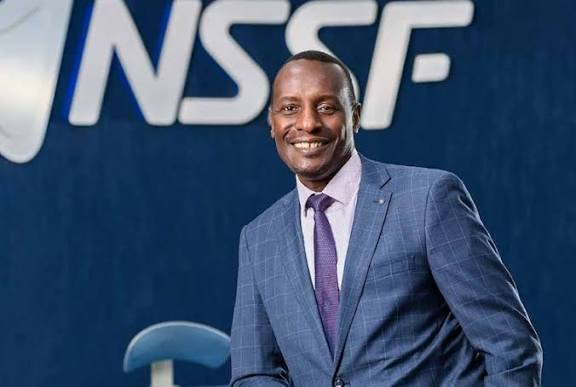
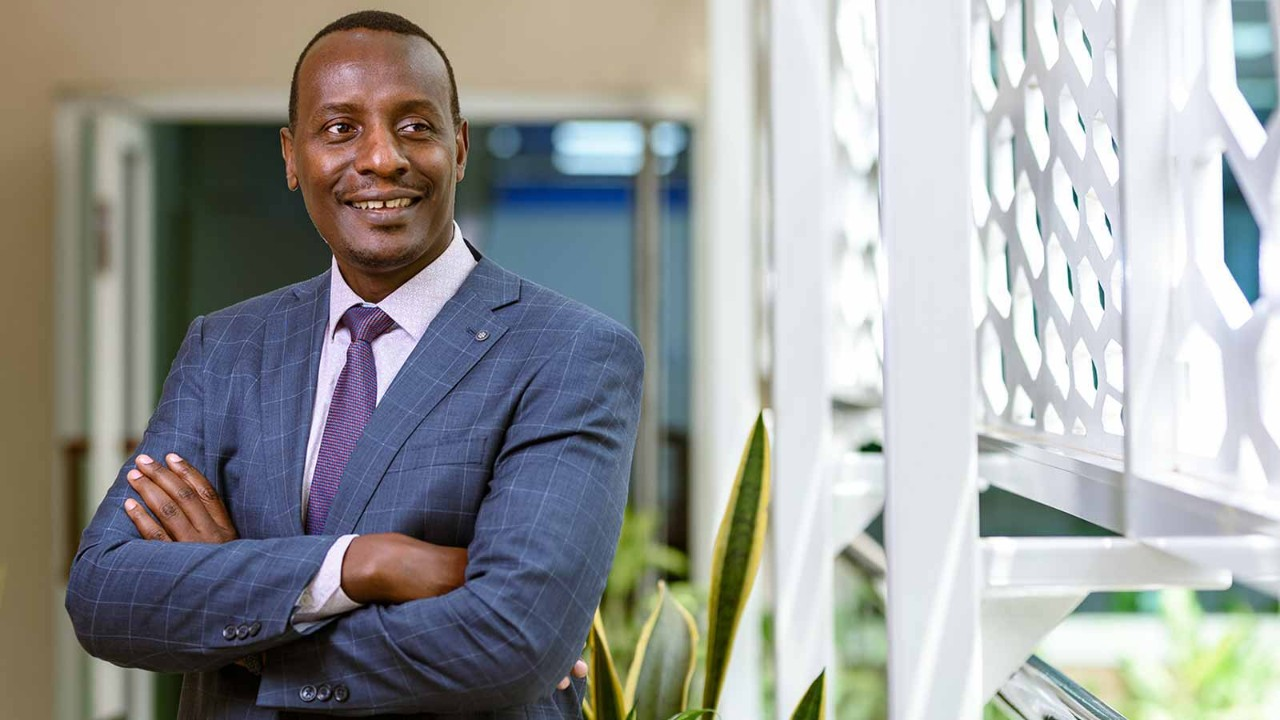
To understand Stevens Mwanje is to understand the balance between numbers and humanity. A finance professional of 30 years, Mwanje has built a career defined by quiet discipline, strategic clarity, and a deep respect for people.
Since joining NSSF in 2010 and later becoming CFO in 2017, he has emerged as one of the institution’s most influential leaders, shaping culture, strengthening systems, and mentoring future executives.
In this interview with CEO East Africa Magazine, he opens up about his personal journey, the lessons that shaped him, and how he keeps teams performing at their best.
How do you keep up with numbers that can get on people’s nerves?
I watch what I eat, exercise regularly, and, most importantly, keep myself happy. If you don’t make yourself happy, who will? I draw firm lines between personal time and organisational time. It is not always black and white, but a healthy work–life integration is essential.
How do you keep yourself happy in practice?
I protect my personal time, whether it’s for exercise or family, and I respect organisational time. I learnt this the hard way.
Early in my banking career at Allied Bank, before it transitioned to Bank of Africa, I worked 365 days straight, including Christmas, as we prepared for the transition.
I developed a chronic back problem that required physiotherapy. That was a turning point. No job is worth your health.
How has the journey at NSSF been through its different leadership layers?
Fairly stable overall. When I joined, there was lingering mistrust due to the Temangalo issues. I went through several interviews for the COO role, and although I got the job, reactions from family and friends made me hesitate.
A formidable HR leader then, Hope Bizimana, kept engaging me and explained that the Fund was recruiting a new MD and a senior leadership team to drive transformation. As a member of the Fund myself, I felt like a stakeholder.
When I reported, Grace Isabirye (then CFO) was Acting MD, and recruitment was underway for several key roles, MD, Deputy MD, COO, Chief Internal Auditor, and Head of Risk.
That EXCO intake, Richard (Byarugaba), Geraldine (Ssali), Edward, Geoffrey, me, and later Patrick (Ayota) as CFO, and Gerald as CIO, really catalysed the Fund’s transformation.

As COO, what was the start like?
I oversaw contributions, benefits, customer service, data quality, and the branch network, all of which were struggling.
Apart from a staff handbook, we lacked clear structures, operational manuals, and performance targets.
I was shocked to find customer service empty from 12:30 to 2:00 pm because everyone was out for lunch; unheard of in banking.
We built performance metrics, structures, expectations, and invested in training and coaching. I’m proud of the change we delivered.
You are described as “adept with numbers.” What principles guide your approach to financial stewardship?
Numbers are a team sport. I focus on hiring the right people, placing them well, and empowering them, not micromanaging. I am clear on accountability and offer support. Integrity and responsibility are non-negotiable.
I never compromise values for short-term gains. I treat people with respect, regardless of background, because everyone brings value. My job is to harness that value, not dwell on weaknesses.
Finance can be routine, yet you say you get bored easily. How do you navigate that?
We have made finance non-routine. I encourage upskilling and reskilling, accountants who can handle data science, coding, project management, or communications. My personal focus areas now include sustainability (ESG) and coaching.
The finance function of the future must partner with the business and advise on what lies ahead.
Traditional accounting roles are increasingly automated. We are a paperless department. Yes, we still process accounts payable, but with a value-for-money mindset.
How have you positioned finance to influence NSSF’s long-term direction?
We co-create strategy, both Fund and Finance. More than half of my time goes into enabling the business, supporting the MD, and engaging in new ventures.
We also provide pro bono financial advisory support as a way of sharpening the team’s commercial capability.
We have supported the Hi-Innovator programme and companies such as Kiira Motors. These assignments stretch the team and support Uganda’s broader economic development.

How have financial insights supported digital transformation?
We begin by helping everyone appreciate the importance of digitisation. Finance is the heart of the organization; every decision eventually lands on our books.
With a strong appreciation of big data, we participate actively in product development, analysing cost–benefit dynamics and thinking beyond short-term profit.
Take Smart Life, for example: even if break-even isn’t immediate, its impact on reach and member experience is transformational. We embed finance teams early in such projects.
What defining moments have shaped your leadership as CFO?
Transitioning from leading a workforce of more than 60% of Fund staff to a compact team of about 25 was profoundly defining.
With 400 people, you can reallocate resources easily. With 25, you must understand each individual, professionally and personally, and lead through influence, clarity, and empathy.
 Ruparelia Group Wins Key Entebbe Land Case, Clearing Path for the New Mega Speke Resort and Convention Centre, Entebbe
When two colleagues go on maternity leave, that’s nearly 10% of the team. You must plan, support, and still deliver results. I could no longer rely on the top 20% to drive 80% of outcomes. It refined my leadership deeply.
And the challenges?
Challenges are tests that refine you, differences in opinion, temperament, and method. The work is to collaborate with diverse personalities while also working on yourself so that you don’t become the obstacle.
You cannot please everyone, but you can create a “multi-socket” environment where different shapes of plugs fit and function.
How do you keep financial integrity and accountability central as NSSF grows?
Through constant dialogue, real examples, clarity of purpose, and clear consequences. It starts with recruitment; hire the best all-around person. Then live the values through systems and structures.
For example, if the supplier terms say 30 days, we pay in 30 days. No chasing, no backchannels. Predictability and fairness shut the door on manipulation.
What early influences shaped how you lead?
An MD I worked with, Kwame Ahadzi, used to assign big, stretching tasks. He would explain why he believed you were suited for the assignment, then ask you to return months later to reflect on your progress.
By that time, you’d almost always have found your footing. I emulate that: empower people, remain accountable, coach when needed, and make the hard call if it truly isn’t working.
How do you recharge and stay grounded under pressure?
NSSF provides strong work–life support through counsellors, health benefits, and a focus on holistic wellbeing. Personally, I believe in quality over quantity.
Except during peak periods, if you’re always staying late, you’re inefficient. I start work early, protect my weekends, exercise regularly, eat healthily, and spend meaningful time with family and friends.
Many see you as CEO material. How do you view that, and what kind of CEO would you be?
It is not an obsession. If it happens, it happens. I would remain myself, driving innovation, evolving strategy, growing people, and upholding integrity.
I like purposeful change, not churn. A CEO is more of a shepherd than a specialist: take the flock out, bring it back safely, grow the herd, fend off predators, and always lead them to better pasture.
What leadership gaps exist in Uganda’s corporate sector, and how might you help fix them?
Strategy. Too many leaders simply maintain the status quo. Excellence requires rocking the boat, disrupting yourself before someone else does. Proactive strategy and innovation are essential.

What does professional legacy mean to you?
Leaving things better than you found them, in a way that becomes a foundation for others, not a monument to oneself, but a platform for continuous improvement.
How are you preparing for your next leadership level?
I stay current and keep learning. My personal focus now is sustainability and coaching. I enjoy working with young professionals, listening, guiding, and supporting them.
I hold one-on-one sessions with my team at least once or twice a year about their aspirations, not just their roles at NSSF. Personal development can take you anywhere; you must always be ready.
What excites or worries you about the next decade in finance?
Cybersecurity. As digitisation accelerates, the attack surface expands. One inadvertent click can cause immense damage, lock member accounts, siphon funds, or leak sensitive data.
The reputational and operational risks are substantial. NSSF has strong guardrails, but vigilance must be universal.
You love coaching. What three things would you instill in aspiring finance leaders?
Accept change, and learn to self-disrupt. They are different. And take a genuine interest in the people you lead. Study them, work with them, work through them, and manage them well. Your success depends on them.
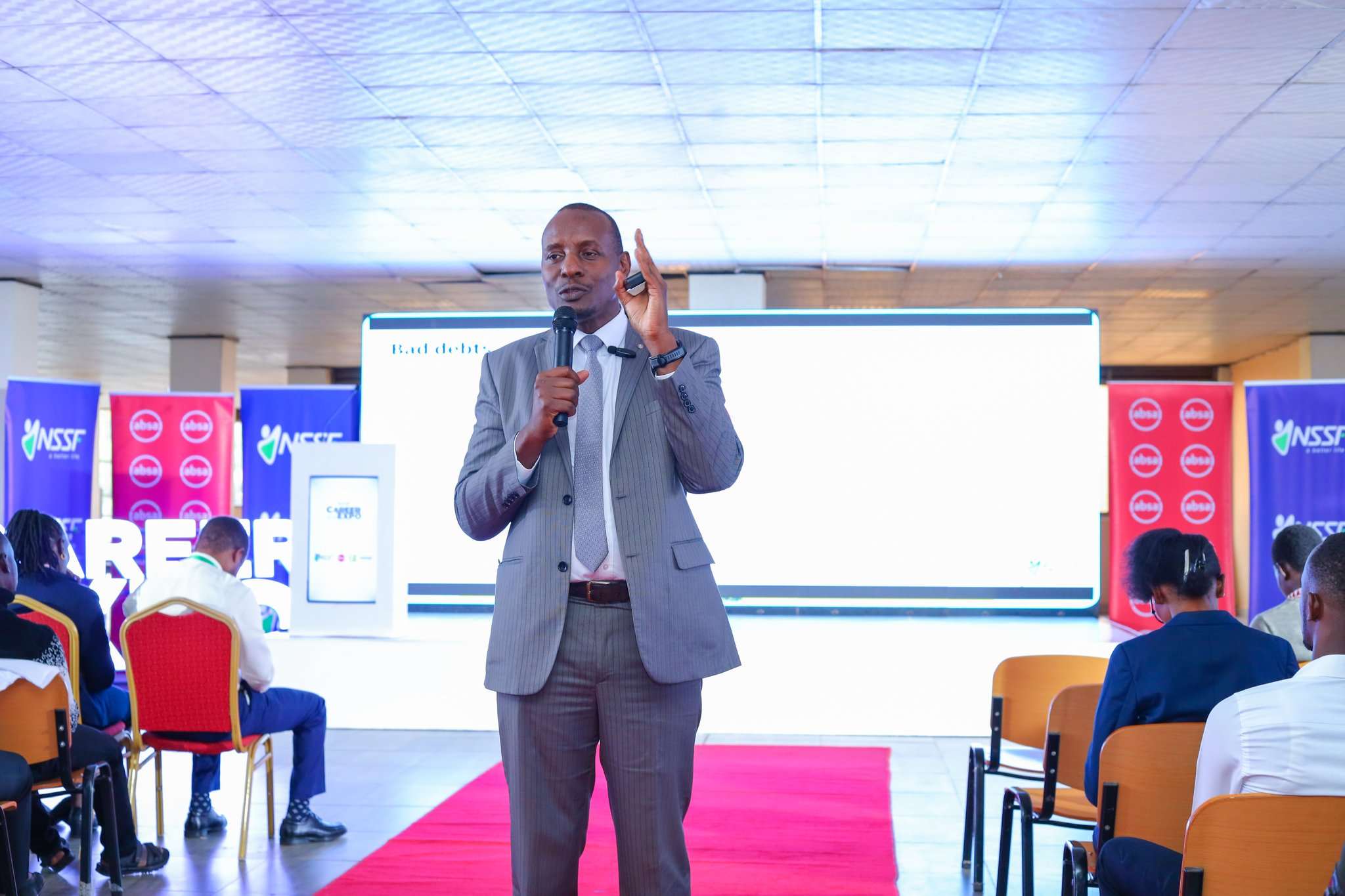
How do you see NSSF evolving over the next five years?
We are shifting from waiting for opportunities to proactively shaping the economy, investing in ventures that create returns, jobs, and a stronger savings culture.
I am already playing the role I want to play: being a key business enabler in this forward-leaning agenda.
What defines transformative leadership?
Innovation, appropriate risk-taking, and the ability to carry people, helping them see, believe, and deliver the vision.
If you had a clean slate in a different field, what would you choose?
Law. I enjoy its breadth and nuance, the ability to argue positions, draw from precedent, and identify inflection points that shift outcomes. I think I would do well.
What role does family, faith, or mentorship play in your decision-making?
They keep me centred and focused on my true north. They provide moral grounding and a reality check. If you balance the three well, you can be confident in the decisions you make.

What lesson has life taught you outside the boardroom that you use daily?
To listen to my instincts. If something bleeps, it needs further scrutiny.
How do you define personal success, beyond performance indicators?
It is the feeling of personal satisfaction that you achieved something meaningful with lasting impact.
What would you tell a younger Stevens?
Be braver. I could have made certain decisions much earlier. Do not default to the safe option. Take a bet on yourself and be willing to self-disrupt.