In 2024, PostBank grew into a thriving digital bank, posting UGX35.4 billion in net profit and amassing UGX1.4 trillion in assets.
This success builds on the momentum of 2023, a year marked by income growth to UGX206 billion and a deposit increase to UGX990 billion.
A significant contributor to this growth? The bank’s Fintech arm, particularly the Wendi Mobile Wallet, has emerged as a key driver of PostBank’s transformation and profitability.
Wendi’s inclusive digital footprint
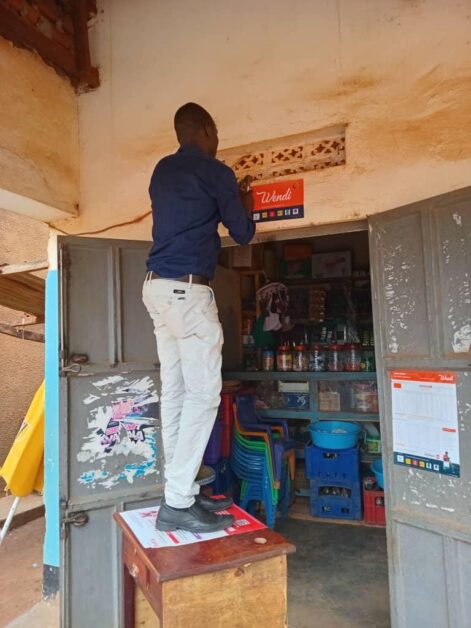
Since its launch in October 2023, the Wendi Mobile Wallet has onboarded more than 1.5 million users, including more than 10,000 Saccos and 8,000 agents. It has processed millions of transactions, with a focus on previously unbanked communities.
By enabling savings from as little as UGX20,000 and offering daily interest, Wendi has nurtured a savings culture that significantly contributed to PostBank’s 25% deposit growth.
Partnerships, such as MTN’s Xtra Cash, have enabled the wallet to
facilitate over UGX246 billion in microloans, thereby boosting both lending activity and overall profitability.
Wendi also impacts government programmes like the Parish Development Model (PDM) by digitising disbursements to improve transparency and broaden reach.
It’s Sacco’s solution, and dual access ensures financial services are extended even to non-bank users.
Strategic alliances with MTN, Airtel, Western Union, UCC, UMRA, IFDC, WENIPs, Stabex, and Oryx have expanded Wendi’s ecosystem to support payments, utilities, remittances, and more.

The woman behind the wallet
Behind Wendi’s impressive growth is Brenda Mpoora, Head of Fintech Business at PostBank.
She is a seasoned financial professional with over a decade of cross-industry experience in banking, telecommunications, and Fintech.
Mpoora spearheads the wallet’s acquisition and growth strategy, promoting digital financial services across Uganda, especially in underserved and unserved communities.
“Wendi is enabling users to save securely, earn a competitive annual interest on daily deposits, access credit, and boost their digital literacy,” she says.
Why fintech?
Mpoora’s journey into Fintech is driven by a deeper mission.
“I was drawn to the fintech world because of the incredible potential to transform how people access and manage their financial lives. From the beginning, I was fascinated by the intersection of technology and finance and how fintech is reshaping traditional financial services.”
“I am also excited about how digital financial products can drive inclusion, bringing accessible and secure financial solutions to underserved and unserved populations.
The opportunity to work in an industry that not only promotes innovation but also creates tangible social impact is something that has always motivated me,” she says.
For her, onboarding Saccos and watching them transition from manual to digital operations has been one of the most fulfilling parts of the job.
She thrives in the fast-paced nature of Fintech, which constantly challenges her to learn and grow.
“The endless growth opportunities are incredibly motivating.”

Wendi: The bank’s strategic backbone
Mpoora notes that Wendi has become a vital pillar in the bank’s growth strategy, demonstrating resilience and scalability through self-onboarding features.
Its robust integrations with ATMs, agents, other financial institutions, wallets, Fintechs, and web platforms have enabled a highly diversified and stable service delivery system.
But Wendi’s impact goes beyond numbers. Mpoora points out that the platform is empowering communities by digitising Sacco and group operations. It also facilitates efficient disbursements.
Challenges and solutions
Still, the road hasn’t been entirely smooth. Mpoora is candid about the hurdles encountered in deepening financial knowledge and inclusion.
Related
 Dutch Development Bank FMO Extends USD 20 Million Facility to I&M Bank Uganda to Boost SME Financing
Limited awareness
“There was a general lack of understanding around digital savings accounts and credit products,” she says.
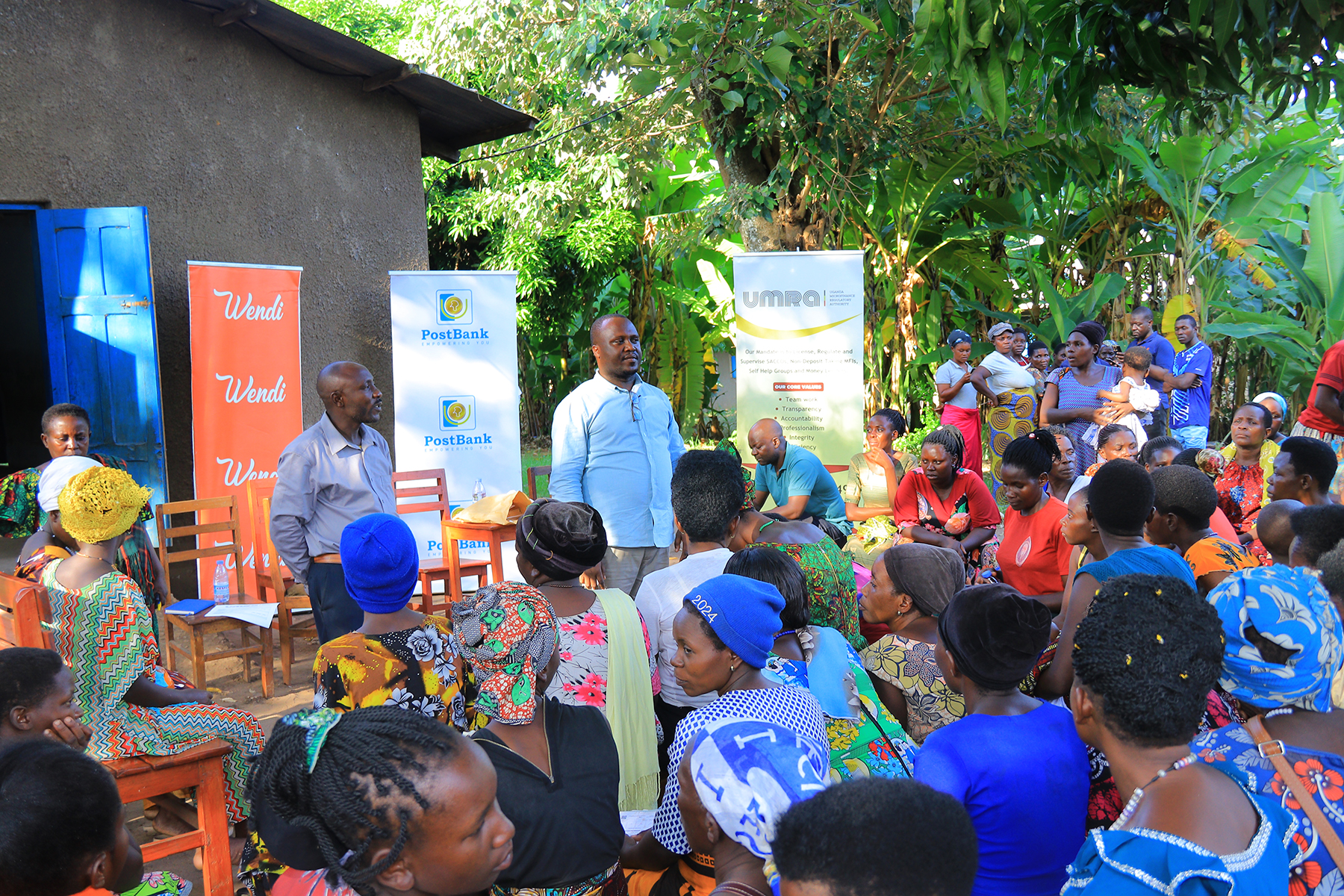
To address this, the bank embedded financial literacy clinics into Wendi onboarding events, collaborating with organizations like IFDC-BRIGHT, WENIPs, UMRA, and UCC to raise awareness and build financial resilience at the grassroots level.
Warped perceptions
“Many believed formal financial services were costly,” she explains.
To counter this, Wendi showcases its competitive features, such as 10% annual interest on savings, a free Sacco solution, and no airtime requirement for USSD access.
Widespread mistrust
In rural communities, where banking infrastructure is limited, digital mistrust is widespread.
“That’s why we do live demonstrations and clinics,” Mpoora explains. “We show customers how to use Wendi securely—for deposits, savings, credit, payments, and transfers.”
New offerings with national impact
As PostBank transitions to Pearl Bank, Wendi has unveiled a suite of new products focused on expanding financial inclusion.
Through its partnership with Western Union, Wendi now supports international money transfers.
That allows Ugandans, particularly in rural areas, to send and receive remittances digitally via USSD or the mobile app.
“This empowers rural Ugandans to access global remittances digitally… offering a secure, affordable alternative to informal channels,” Mpoora says.
Wendi has also launched a free Saccos management solution, turning traditional Saccos into digitally managed, transparent entities.
The tool enhances governance, builds member trust, reduces travel costs, and equips agents to promote digital literacy in their communities.
Additionally, the wallet now offers instant digital loans, with no collateral or branch visits required. These loans are proving vital to rural households, farmers, and small businesses alike.
Wendi continues to expand its payments ecosystem, connecting users to petroleum companies like Stabex, Oryx, and Total, and services like utilities and airtime, while reinforcing Uganda’s broader financial infrastructure through more bank and regulator partnerships.

Rebranding for a digital future
The rebranding from PostBank to Pearl Bank signals more than a name change. It is a strategic overhaul.
“It reflects a refined strategic vision, especially for our Fintech arm, centred around Wendi,” Mpoora notes.
The name Pearl Bank draws on Uganda’s identity as the “Pearl of Africa”, and is designed to build a strong, unified brand that resonates with both rural and urban audiences.
More than a cosmetic shift, the rebrand is a strategic reset, aimed at
renewing public interest in digital banking.
“This cohesive brand strategy enhances recognition and builds trust across different market segments,” she says.
Importantly, the Pearl Bank identity bolsters the bank’s positioning for future investment and growth. It shows readiness for Fintech innovation, infrastructure expansion, and regional influence, making it an attractive partner for stakeholders committed to expanding financial inclusion across Uganda.