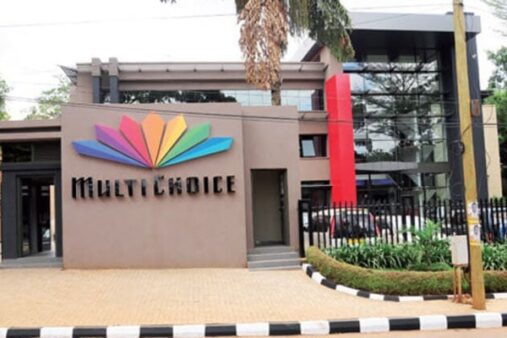
A photo collage of some of the Pay TV service providers in Uganda

Pay television service providers lost at least 31.9% subscribers in the 12 months to December 2024, according to the Uganda Communications Commission (UCC) Market Performance Report.

The loss is contained in four UCC Market Performance Reports, all of which registered a decline in subscriber numbers with the worst drop recorded in the three months to September 2022.    

The data was collected in over four quarters between January and December 2024.

The 31.9% drop, according to UCC data, translates to an aggregate loss of 470,000 subscribers, which signals an increasing difficult operating environment for pay television service providers and the industry as a whole.

In the 12 months to December, UCC data indicates subscriber numbers dropped from 1.47 million in the three months to March 2024 to one million in the same period to December 2024.  

The decline had been consistent throughout the year, but was more pronounced in the third quarter.

UCC data indicates that subscriber numbers dropped by 21.4%, translating into an aggregate loss of 300,000, thereby dropping from 1.4 million in the quarter to June to 1.1 million in the three months to September 2024.

The report does not, however, explain the drop.

However, previously reports have indicated that a change in consumer behaviour and a shift in technology have been key in determining pay television subscription numbers.

Beyond this, pay television service providers have previously blamed the increase in piracy as a major threat not only to subscriber numbers, but to the industry’s and government revenues, innovation and the development of the entertainment value chain.

Early last month, UCC indicated that it had initiated a multi-government agency investigation that would probe the entry of streaming devices that are being used by a number of Ugandans to pirate content that is exclusive to pay televisions.

The probe had been initiated following an investigation over a complaint, in which MultiChoice, which operates DStv and GOtv, had indicated that it was losing at least UGX2.7 billion annually due to illegal reproduction and streaming of its exclusive content by third parties through the internet.  

UCC, following the complaint, had conducted a market surveillance, in which it found evidence of both residential and commercial piracy.

It was not immediately clear how much the industry is losing to piracy.

However, the market surveillance had found identified a number of decoders including Starsat SR-4060HD, Starsat SR-2090HD Extreme, Mediastar, MS-MIINI 1111 Forever, 1616, 1818, 3030, 2727, 7070, Senator Ice 2+ 1080 Mini HD, Senator TikTok Pro forever, Red Tiger Digital satellite receiver T3000, Digsat DX Mini Combo, Digsat DX 1000 and Surplus receivers, that were being used to propagate internet piracy, one of the biggest threats to content owners, broadcasters and operators. 

The content most often pirated via the internet is software, music, literature and video, including live sports and the latest series and movies.

Tagged:
About the Author

Paul Murungi is a Ugandan Business Journalist with extensive financial journalism training from institutions in South Africa, London (UK), Ghana, Tanzania, and Uganda. His coverage focuses on groundbreaking stories across the East African region with a focus on ICT, Energy, Oil and Gas, Mining, Companies, Capital and Financial markets, and the General Economy.

His body of work has contributed to policy change in private and public companies.

Paul has so far won five continental awards at the Sanlam Group Awards for Excellence in Financial Journalism in Johannesburg, South Africa, and several Uganda national journalism awards for his articles on business and technology at the ACME Awards.

beylikdüzü escort