His Majesty – the of Toro Kingdom, Omukama Oyo Nyimba Kabamba Iguru Rukidi IV has successfully summitted Margherita, the highest peak in the Rwenzori Mountains- Uganda’s tallest mountain and the third tallest in Africa.
This is to promote mountain tourism to draw sustainable adventure tourism under the Campaign – Conserving Mountain Ecosystems. The campaign that is being run together with the United Nations Development Programme (UNDP), Uganda’s Ministry of Tourism, Wildlife & Antiquities (MTWA), Uganda Tourism Board (UTB) and the Toro Kingdom, aims at highlighting the beauty and splendour of the Rwenzori Mountain ranges as one of the remaining equatorial glaciers in the world.
The 10-day hike also aims at drawing attention to the impact of climate change, the significant role of environmental conservation and the promotion of the Rwenzori Mountains as a unique adventure tourism attraction.
One of the most visible consequences of climate change in Uganda is the rapid loss of glaciers, which have reduced from 6.5 square kilometres in 1906 to less than one square kilometre in 2003. These Rwenzori glaciers will disappear before the end of this century.

The local communities living at the foothills of the Rwenzori Mountain continue to face destructive floods, as a result of the outbursts of River Nyamwamba whose source is traced in these mountains. Nonetheless, the mountains remain an important part of the Batooro, Bakonzo and Bamba Culture.
“There is an urgent need to preserve the crown of snow on the Rwenzori Mountains. Therefore, we must be prepared to tackle the effects of climate change on our beautiful country today,” Owekitinisa Joan Kantu Else, Minister of Tourism – Tooro Kingdom said.
 Ruparelia Group Wins Key Entebbe Land Case, Clearing Path for the New Mega Speke Resort and Convention Centre, Entebbe
The Rwenzori Ecosystem is also a great contributor to tourism development. It is home to 54 Albertine rift endemic species; 18 mammal species, 09 reptile species, 06 amphibians and 21 bird species. Over 217 Bird species including the Rwenzori Turaco, the Bamboo Warbler, Golden Winged Sunbird, and Scarlet tufted Malachite sunbird, have been recorded rendering the ecosystem an important bird watching site in Uganda. In 1994, the Rwenzori Mountains were named a UNESCO World Heritage site and later a Ramsar Site in 2008 due to the unique beauty and vegetation zones marked by grassland, montane forest, Bamboo, heather and afro-alpine moorland zones which support diverse species of bird and other wildlife.
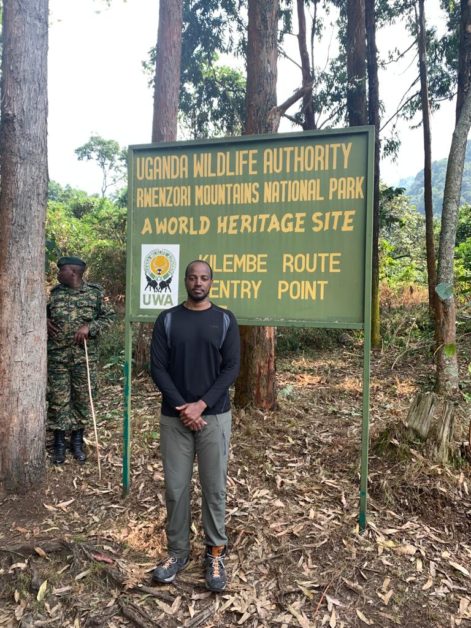
“The Rwenzori Royal Expedition 2022 will not only create awareness on the restoration and protection of areas affected by climate change but also drum up support for culture and heritage tourism promotion in our beautiful country,” remarked Hon Daudi Migereko, Chairman Board of Directors, Uganda Tourism Board.
He said that the expedition is contributing to highlighting the untapped tourism product development opportunities available in the Rwenzori region that will offer an adventure of a lifetime to travellers from all over the world while in Uganda – The Pearl of Africa. Mountain tourism, complimented by wildlife Safaris, primate tracking, and bird watching in Queen Elizabeth, Kibale and Bwindi Impenetrable National Parks, accented by the culture and heritage of the local communities.
“The Ministry of Tourism, Wildlife& Antiquities will continue to support the private sector to develop bespoke tourism products to enhance traveller experiences throughout the country,” added Hon. Tom Butime, Minister – Ministry of Tourism, Wildlife & Antiquities.