For three decades, the mobile phone has been an evolving cornerstone of Uganda’s landscape, consistently defying obsolescence.
Far from being a mere communication device, it has seamlessly integrated into the fabric of Uganda’s economic ecosystem and the daily tempo of its citizens’ lives.
It has also solidified its place as an indispensable tool that continues to drive progress and shape lifestyles.
Uganda has become a fertile ground for digital entrepreneurship, with startups leveraging mobile technology to bridge critical gaps in fintech, healthcare, agriculture, and lifestyle services.
The genesis
For years, mobile phones in Uganda were primarily tools for voice calls and SMS.
Their rapid proliferation, however, laid the groundwork for something far more transformative: mobile money.
Telecom giants like MTN and Airtel quickly recognised the potential of allowing users to send and receive money directly through their phones.
It formed a new extreme that would bypass the vagaries of traditional banking infrastructure.
This seemingly simple innovation was the spark. Suddenly, millions had access to financial services, and with that access came the opportunity for commerce.
The immediate beneficiaries were the thousands of mobile money agents who set up shop in every corner of the country.
From small kiosks to bustling storefronts, these agents became the de facto banks for many, facilitating deposits, withdrawals, and transfers.
This wasn’t just a service; it was a burgeoning micro-economy, empowering individuals to become entrepreneurs with minimal startup capital.
These agents, often women and youth, formed the foundational layer of Uganda’s mobile-driven economy, demonstrating the immediate and tangible impact of this new technology.
Bridging the financial divide
The success of mobile money laid the blueprint for a wave of Fintech startups that sought to build upon this digital financial infrastructure. One of the most prominent success stories is SafeBoda.
What began as a mobile app to connect boda-boda riders with passengers, bringing safety and transparency to an often-unregulated industry, quickly evolved into a comprehensive Fintech platform.
Recognising the daily financial transactions happening on their platform, SafeBoda expanded to allow users to pay for goods and services, send money, and even access credit, all through their phones.
Covid, while devastating for many, accelerated SafeBoda’s digital financial services, as cashless transactions became a necessity, leading to triple-digit growth.
It solidified its position as a key player in Uganda’s digital economy.
Beyond SafeBoda, companies like Xente emerged, offering an e-commerce and financial services app that enables users to purchase goods, access loans, and manage their finances digitally.
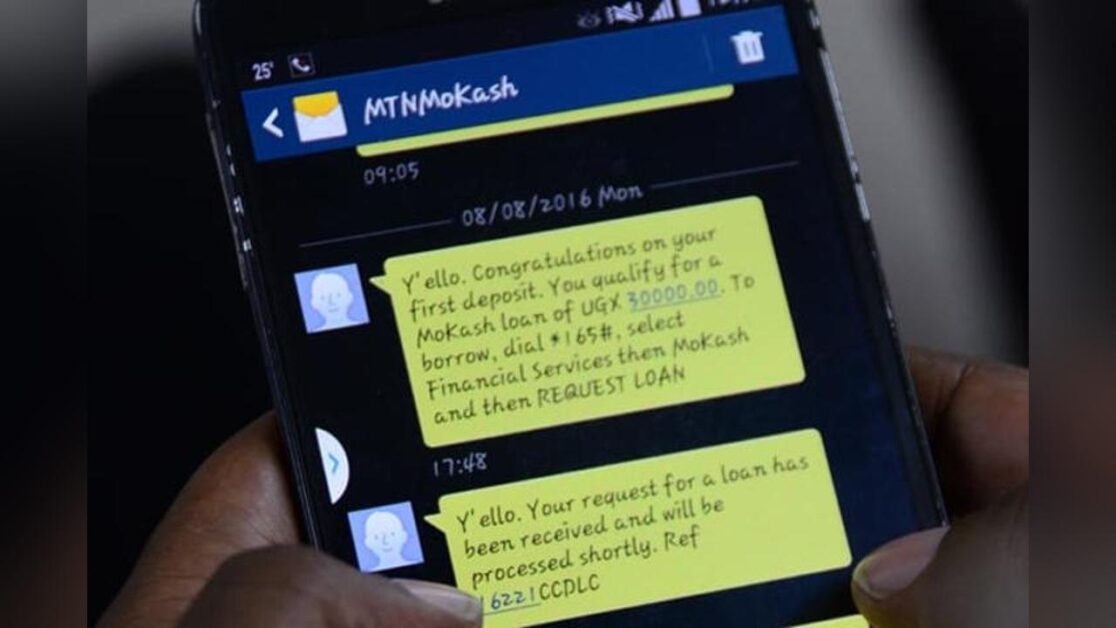
The concept of neobanks, exemplified by Pivot Payments, also began to take root, offering purely digital banking solutions without the overhead of physical branches.
This shift catered to a generation accustomed to mobile-first interactions, providing convenience and accessibility that traditional banks often couldn’t match.
Dusupay tackled the challenge of cross-border remittances, making it easier and more affordable for Ugandans in the diaspora to send money home through mobile and digital wallets.
Each of these innovations, powered by the mobile phone, chipped away at the barriers to financial inclusion, empowering individuals and small businesses to participate more fully in the economy.
Health services
 Rajiv Ruparelia Legacy Lives On in UGX 1.7 Billion Bukedea Eye Camp for 2,000 Patients by Ruparelia Foundation & Partners
The impact of mobile technology extended far beyond finance, revolutionising healthcare access in a country where medical facilities can be scarce, especially in remote areas.
Living Goods, a non-profit social enterprise, stands as a testament to this transformation.
They equipped a network of Community Health Workers with smartphones loaded with “Smart Health” apps.
These apps enabled Community Health Workers to provide basic healthcare, track patient data, offer remote supervision, and adapt to evolving health needs.
The ability to access medical guidelines, record patient information, and even receive remote training directly on their phones significantly enhanced the effectiveness and reach of frontline health workers, bringing vital services to millions who previously had limited or no access
Similarly, The Medical Concierge Group embraced mHealth platforms, utilising SMS and social media to disseminate crucial health information, send appointment reminders (dramatically improving adherence for HIV-positive clients), and offer health content subscriptions.
The concept of Video-Observed Treatment for tuberculosis patients, where medication adherence is monitored via video recordings on mobile phones, showcased the potential for mobile technology to improve treatment outcomes and combat drug resistance.
These mobile-driven health initiatives are not just about convenience; they are about saving lives and improving public health outcomes in tangible ways.
Digitising the farm
Uganda’s economy is heavily reliant on agriculture, and the mobile phone has emerged as a powerful tool for modernising this vital sector.
Companies like Farmsell have integrated mobile solutions into the entire agricultural value chain.
Their platforms provide farmers with real-time market information, agronomic advice, and direct access to fair pricing for their produce.
The integration of mobile money for swift and secure payments has been a game-changer, eliminating the risks associated with cash transactions and empowering farmers to receive fair value for their hard work.
M-Farm and EzyAgric further illustrate this trend, providing farmers with crucial data on weather patterns, pest control, and best farming practices via SMS and mobile apps.
This influx of timely information allows farmers to make informed decisions about planting, harvesting, and selling, ultimately increasing their yields and profitability.
PigMaster, a mobile app specifically for pig farmers, offers specialised information on husbandry, market prices, and disease management, demonstrating the niche applications of mobile technology within agriculture.
Beyond information, platforms like MobiPay AgroSys are not only providing financial services but also training and capacity-building programmes on modern and sustainable farming methods through digital platforms, fostering a new generation of digitally-savvy farmers.
Convenience at your fingertips
The mobile phone has also transformed daily life and leisure in Uganda.
The rise of e-commerce platforms like Jumia and Glovo, has been significantly bolstered by mobile phone penetration, allowing Ugandans to order food, groceries, and a wide array of goods from the convenience of their smartphones.
Ride-hailing apps, particularly SafeBoda and the international giants Uber and Bolt, have revolutionised urban transportation, offering a safer, more transparent, and often more affordable alternative to traditional means.
Beyond these broad categories, the mobile phone has created a ripple effect, fostering opportunities for digital content creators, social media influencers, and online learning platforms.
The accessibility of smartphones has democratized content creation and consumption, allowing local voices to reach wider audiences and enabling individuals to acquire new skills from the comfort of their homes.
The omnipresent mobile money agent, while a financial service provider, has also become a lifestyle convenience, making daily transactions seamless and hassle-free.