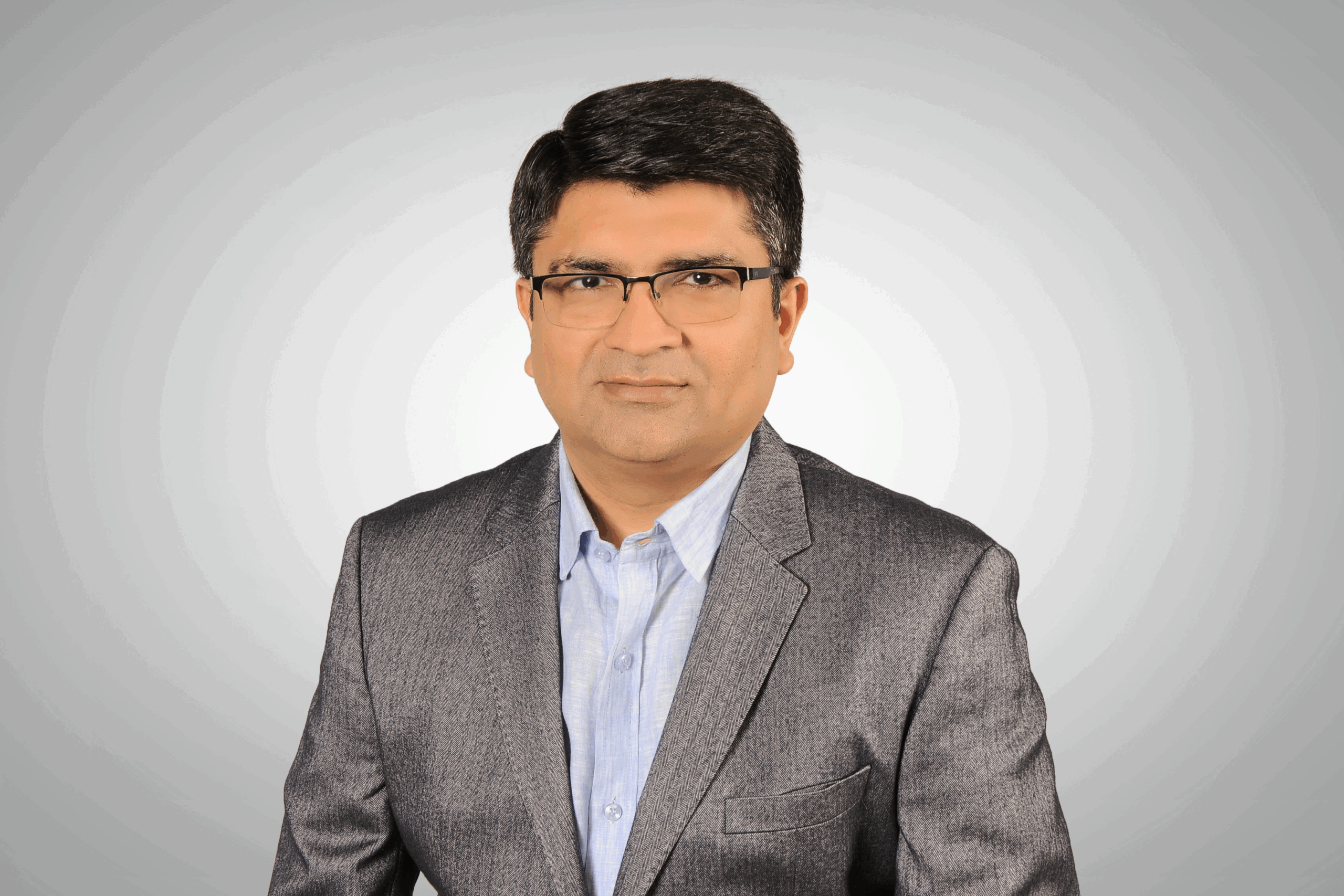
From the small town of Kisumu to the bustling streets of Kampala, Vinay Dawda’s business story began long before he was born.
His grandfather left India in the early 1900s, settling in Kisumu, Kenya, in search of business opportunities.
In the 1960s, Vinay’s father, Mr Hasmukh Dawda, alongside his brothers, launched what would later become House of Dawda.
At a time when household needs were primarily basic kitchen items, the family ventured into the fast-moving consumer goods (FMCG) space.
It pioneered successful brands in biscuits, candy, and salt across Kenya.
Vinay, a third-generation East African Asian entrepreneur, completed most of his education in Kenya before heading to the UK for higher studies.
“I was brought back to the family business in Kisumu and in 1990, the family decided to open up in Uganda as President Museveni was inviting investors. That presented opportunities for early investors,” he recalls.

Laying roots in Uganda
Vinay says it was a privilege to be chosen to extend the family’s legacy to Uganda.
His first role was to look after clients in Kampala, especially in Kikuubo, which meant engaging customers, taking their orders, and ensuring timely deliveries.
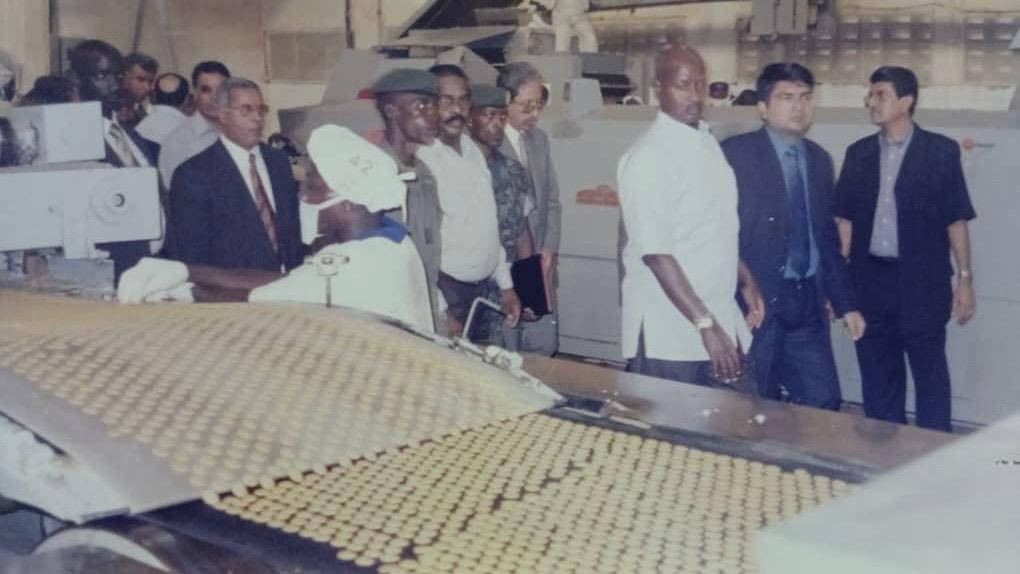
By 1991, drawing inspiration from Kenya, Vinay expanded into manufacturing.
“I spearheaded our first family project, Britania Allied Industries, establishing the country’s first biscuit factory. We later introduced Uganda’s first locally produced fruit juice, Splash, followed by TopUp sauces and the popular Sunsip squashes,” he says.
The growth continued into pharmaceuticals with Uganda Pharmaceuticals in 1996, as well as cotton ginning, where his father worked closely with farmers in the north.
In 2002, the family acquired the iconic 1954 brand House of Manji under Manji Food Industries.
Diversifying beyond FMCG
By 2004, the business landscape widened when Vinay’s wife, Tina, founded Charms Uganda.
Initially focused on cosmetics, the company expanded into FMCG distribution, handling brands such as Colgate, Nivea, and Red Bull.
The Dawda family’s footprint in FMCG remains firm, but each venture has carried its innovations and adjustments to market needs.
The heart of generational business
For Vinay, generational businesses are more than profit-making enterprises.
“They’re rooted in values, legacy, and long-term thinking. They’re not just built for profit, but for purpose and continuity, creating a strong sense of stewardship, where each generation doesn’t just inherit — they elevate.
“My father instilled in us the values of discipline, integrity, humility, and hard work. He believed our reputation was our strongest currency.”
This culture of integrity and resilience, he believes, is hard to replicate in purely transactional setups.
Preserving the legacy, modernising the method
Vinay joined the family business at a young age, with expectations from the family, but his father was never rigid, allowing them to learn and fail.
“It is about preserving values, not methods. I’ve thus focused on keeping our foundational principles intact, while modernising our approach, whether through technology, governance, or expanding into new territories.”

Operating in Uganda at a time when communication with Kenya was difficult forced him to learn independently and make tough decisions on the ground.
This autonomy helped him gain his family’s trust. Over time, he brought in professionals to strengthen the team, believing in surrounding himself with smarter people to propel growth.
He says it is a respectful evolution rather than a break from the past, adding value without losing the foundation.
Delivering on the expectation
Like many family business successors, Vinay felt a strong sense of expectation; nonetheless, over time, he realised that the pressure wasn’t control but trust.
“I embraced the role, shaped it in my way, and eventually earned the freedom to lead with my vision.
“But also, it was a natural transition because we were already in FCMG. The only alien thing was that I was only getting into shape,” he says.
At the start, there were moments when Vinay wished for more space or modern tools. But also, he missed being close to them with tough communication channels.
“Nonetheless, the support and values they instilled in us carried me through.”

Passing the baton
Then it was his turn to train his children, and Vinay says his father involved him early and gave him space.
He has tried to do the same for them, careful never to be domineering.
He does that through hands-on involvement, open conversations, and gradual delegation, exposing them early to challenges.
It all started with them being part of the operations when they were younger, which allowed them to appreciate the work.
“I strive to listen more and trust earlier. I also allow them room to learn without micromanaging and invest in formal mentorship structures, rather than assuming learning by osmosis.
“That is why I got professionals to work with them because these teach without emotion or attachment,” he says.
 6 Ugandans Arrested in Connection to USD 3.4 Mn Equity Bank Rwanda Digital Heist
He acknowledges the challenges of a generation that “questions everything” but sees this curiosity as an asset when guided well.
Today, Vinay’s son and daughter are in the family business after completing their education in the UK.
The smile is visible as he says: “I am glad that they saw it fit to return home because we have many opportunities here as well.
“It was never a rigid plan on paper, but a natural evolution grounded in trust and responsibility.”
Kikuubo Online kicks off a new generation
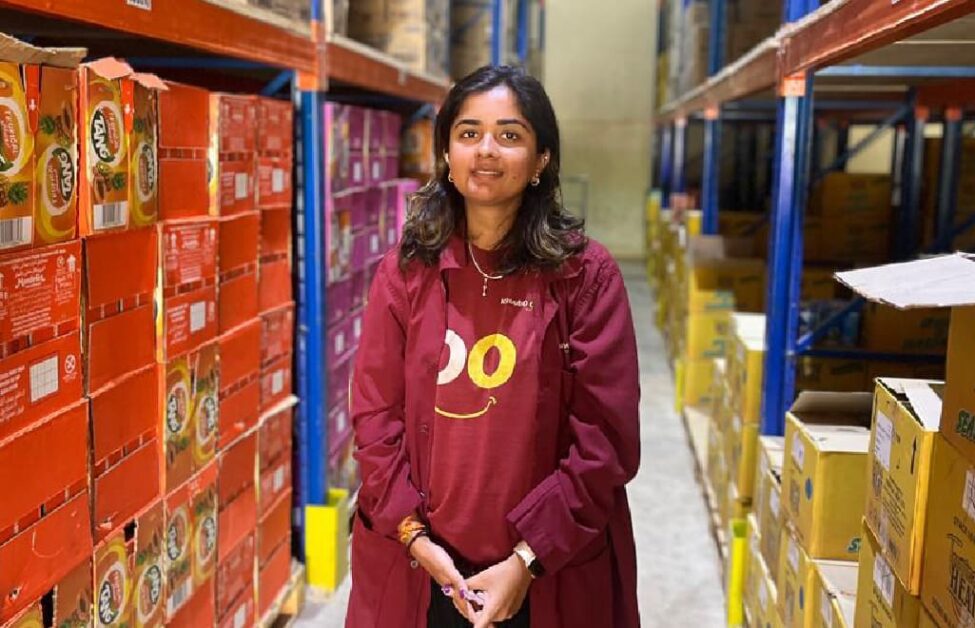
They started Kikuubo Online, which they run independently with their son, Yash Dawda, as managing director. His daughter, Karishma Dawda is the Chief Operating Officer, overseeing logistics and human resources.
They also run Pusha, complementing the group’s distribution and innovation goals.
All this is buttressed in gaining the success of building something sustainable and meaningful — not just in terms of profitability, but in the impact created.
It’s also about empowering the next generation to step in confidently and build further.

Embracing change and innovation
Despite the changing times, certain traditions have remained untouched: honesty, integrity, respect for people, and face-to-face relationship-building.
They have also professionalised systems, replacing manual systems to embrace tech such as data systems like performance metrics, and KPI-driven processes.
That is also because Vinay’s interest in technology dates back to 1990, when he learned about computers and workbooks, eventually adopting Excel and digital receipts in his Kampala shop.
Over the years, innovations like Kikuubo Online and ERP systems have streamlined supply chains, introduced data-driven decision-making, and integrated AI-driven insights.
“It’s about viewing innovation not as a disruption, but as a natural evolution.”
A shift to professionalism
Nonetheless, they maintain their people-centric values intact because people are their biggest strength.
But the hurdle came with staffing changes because previously, his parents had held onto some employees to the point of them becoming like family.
With his father’s blessing, they tackled the issue in a phased manner, ensuring people left feeling appreciated.
Balancing family and professionalism
Running a family business comes with overlaps between personal and professional dynamics.
“We’ve defined roles, encouraged external perspectives, and built a culture where performance matters more than bloodline.
“Emotional intelligence is key – we respect each other as family, but operate as professionals,” Vinay explains.
He and his wife manage the business together and share the same office, which in itself sounds like a miracle, but he says it is a partnership that works both in life and work.
Governance and social impact
Today, the family operates with a professional governance structure, monthly review meetings, and a clear distinction between ownership and management.
While there is no external board, the internal one does a good job of keeping them aligned with professionalism, guiding their actions.
“Even though business conversations cannot be avoided at the dining table, we have business meetings where all discussions and decisions are made in alignment with the strategy and a structured and transparent manner,” he says.
Social impact remains central as Vinay says their businesses grew alongside communities.
“My father always said: ‘Service to humanity is service to God,’ and that motto continues to guide our operations.
“Moreover, he told us that we cannot give to India because we do not work from there but in the communities we operate in.”
From scholarships to heart surgeries and community initiatives, the family supports causes aligned with their values.
Their employees are the first consideration before they stretch their giving hand to the outer community.
Lessons in leadership
Decades of leading a generational business have taught Vinay resilience, patience, and the art of listening.
Daily habits such as morning walks, gym sessions, meditation, and time with family keep him grounded.
His wife Tina, he says, is both his life partner and business anchor. His advice to young leaders inheriting family businesses is empowerment is better than entitlement.
“Professionalise early and embrace change with all the kinks therein. Always look beyond yourself — legacy is about what you leave for others, not just what you build for yourself.
“Respect the roots, but don’t be afraid to replant the tree in new soil. Your surname may open the door, but your character determines how long it stays open.”
He also reminds them that respecting people outlasts tactics, saying that even in the age of AI, people, not robots, remain your consumers.