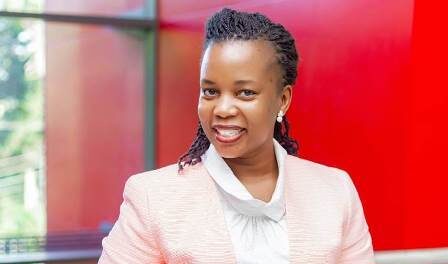
From losing her entire herd overnight to building one of Uganda’s fastest-growing meat brands, Diana Nabukenya Adeyemi’s journey is a testament to resilience, vision, and the power of value addition.
The Yo Nyama founder is redefining the meat industry—one halal cut at a time, and she is just getting started.
“I’ve always been an entrepreneur. I started selling fruit salad during my S4 vacation.”
That innate, early drive to build and sell has been the through line in the remarkable journey of Diana Nabukenya Adeyemi, the Co-founder and CEO of Richland Foods Ltd, the parent company of the Yo Nyama butchery chain.
Her path from those first fruit salads to revolutionising Uganda’s meat industry was forged in the high-stakes corporate world, shattered by sudden loss, and ultimately resurrected by a powerful mindset shift and sheer grit.
She is a foodie who does not mind farming, preparing and eating food. Initially, they sourced all their food from their farm, but have since moved to secondary production, thereby adding value.
The corporate foundation and a side hustle
After a decade with global FMCG giant Unilever, gaining experience across Africa and Southeast Asia, Adeyemi moved into leadership roles in renewable energy and later e-commerce.
As the General Manager for Copia Uganda, she built a massive distribution network from the ground up. “Within two years, we had over 10,000 agents that we were working with… I had a force of 400 employees under me.”
While thriving in the corporate world, Ugandan side-hustle culture is called. Alongside her husband and brother, she began investing in an existing family farm, modernising it with solar irrigation and introducing livestock.
The motivation was clear: to create impact and additional income, and they bought soya from the neighbours to make their feeds. Soon they had a herd of about 350 animals.
But they quickly hit a wall familiar to many local farmers. “An animal you’ve raised for Shs700,000, they [middlemen] were buying for 400,000,” she explains. To cut out these intermediaries and capture more value, they opened their first butchery, initially run by her sister-in-law.
The perfect storm: Loss and a reckoning
In May 2023, the venture soon faced a catastrophic perfect storm. Funding issues forced her e-commerce employer to close, shattering Mrs Adeyemi, not for herself, but for the impact on her 400 employees and 10,000 agents.
Then, a personal tragedy struck: mysteriously, in just 36 hours, their entire herd of 300-400 animals was wiped out. Only eight animals, which were in the sickbay, survived.
This double blow forced a reckoning. “I had a conversation with myself in November… God, I am dedicating 2024 to this business. And if it doesn’t work in one year, it’s on you.”
She stepped away from LinkedIn, silenced the recruiters, and made the biggest bet of her life: going all-in on her own venture with their entire life’s savings. “Our funders, my husband and I, are our careers combined. And trusting that what we are investing in will work,” she states.
The pivotal mindset shift
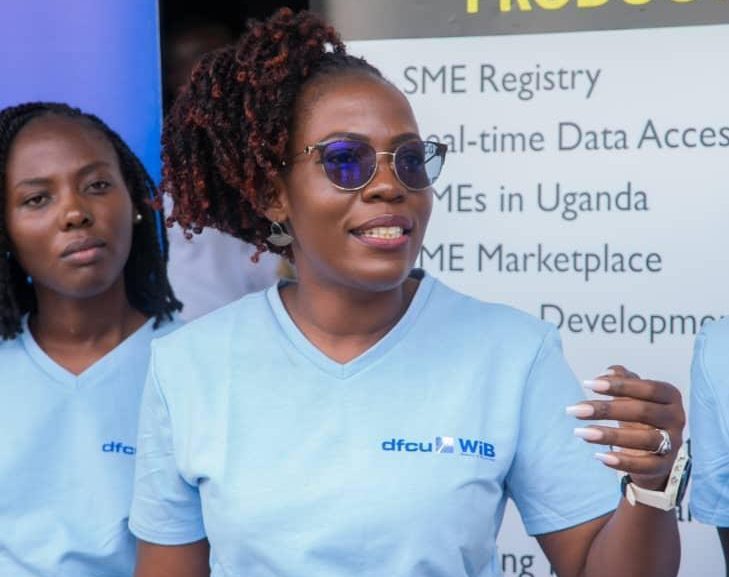
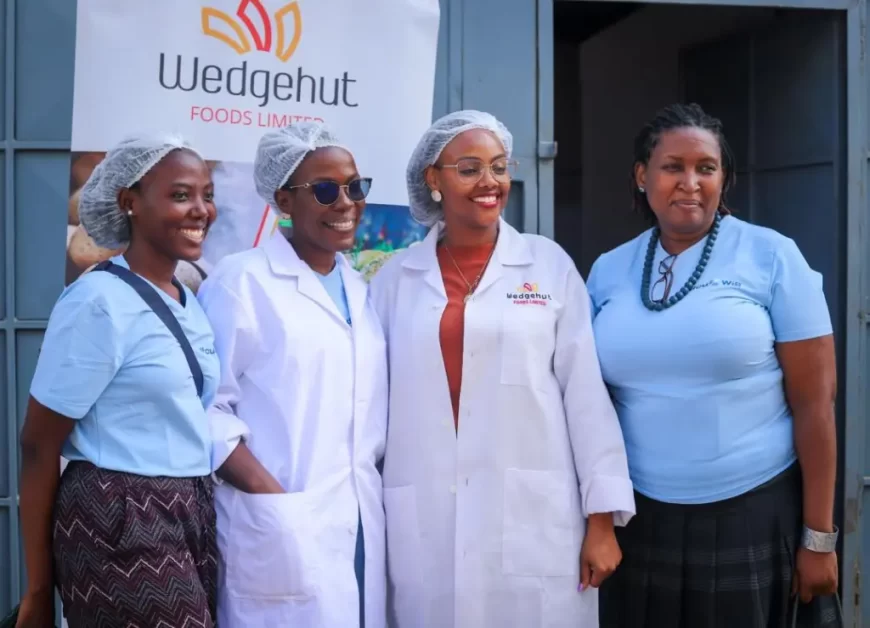
This commitment was almost immediately validated. In November, dfcu Bank called for the dfcu Rising Woman Initiative. Her company later emerged among the top 10 finalists in the initiative, which included a transformative benchmarking trip to Kenya.
“That was a pivotal trip because what I saw in those three, four days changed my life forever,” she recalls, her passion palpable.
“Seriously. I entered a room and heard business owners talking about amazing things. These were like-minded people, my agemates, doing big things. I felt that I belonged in this room.”
She saw women who, like her, had started during Covid-19. For instance, there was a woman adding value to Irish potatoes by peeling, sealing and selling them to KFC. She leveraged purchasing from farmers. It seems small, but she now runs a multi-million dollar business by adding simple value to local produce.
This exposure, including behind-the-scenes access to giants like Java House, where they saw the systems shaping these ventures that completely reshaped her vision for Yo Nyama.
A pivotal piece of advice from a judge—to consider the vast Halal market—proved to be a game-changer, opening up a massive and quality-conscious customer base.
“Then, I felt that the judge did not like me. But after the Kenya trip and research, today I thank him,” she says.
Building Yo Nyama: Value addition and financial Realities
Today, Yo Nyama is a vertically-integrated agro-processing company that can soon serve over 1,000 tonnes of beef and goat per month. Yes, it can happen, as there is a huge demand for grass-fed animals.
They have beef, lamb, goat, local birds, broilers, off layers, Kroilers, yellow yolk eggs, and vegetables sourced directly from their farm. They are also into wild catch (tilapia) and farmed catfish- from their farm.
Yo Nyama also works with 100 registered farmers in Kampala, Wakiso and Mukono. On the other hand, their farm in Zirobwe supplies poultry, eggs and vegetables. On the other hand, they partner with smallholder farmers for the supply of potatoes, spices and herbs.
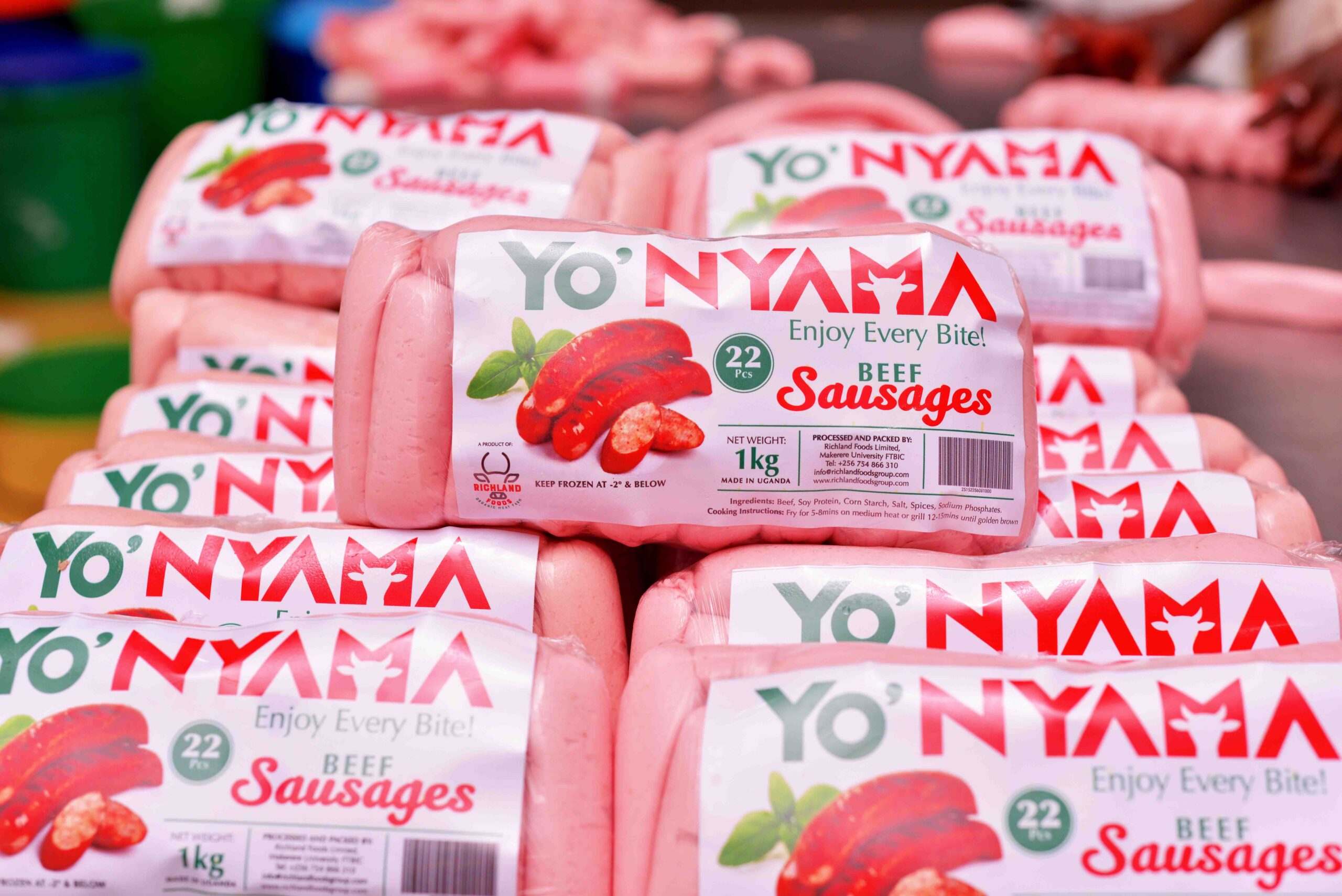
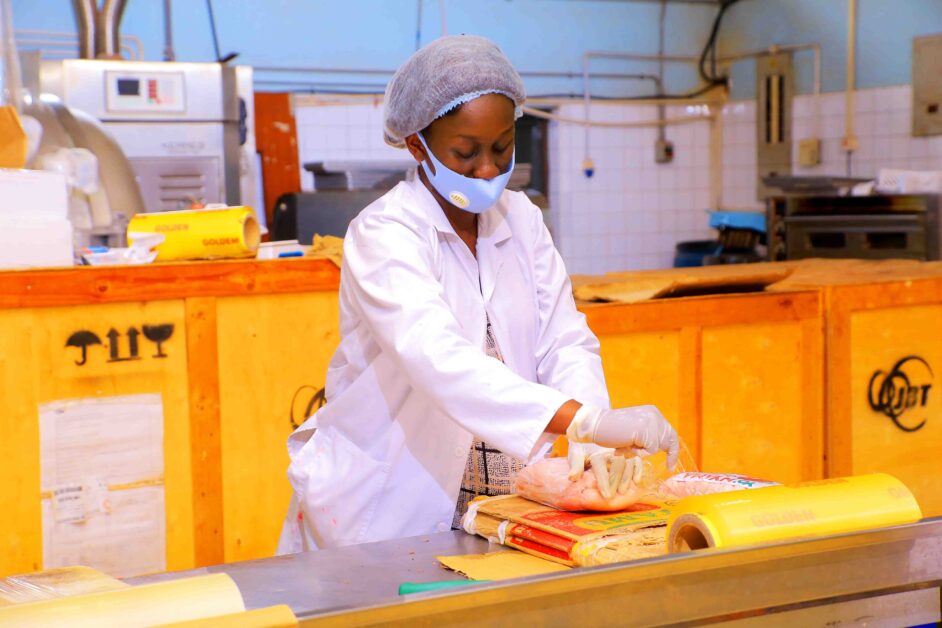
However, all this funnels into value addition, producing everything from prime cuts to a range of processed meats like sausages, macon, frankfurters, viennas, salami and meatloaf under their own brand. That was powered by the Uganda Industrial Research Institute and later, the UNBS certification.
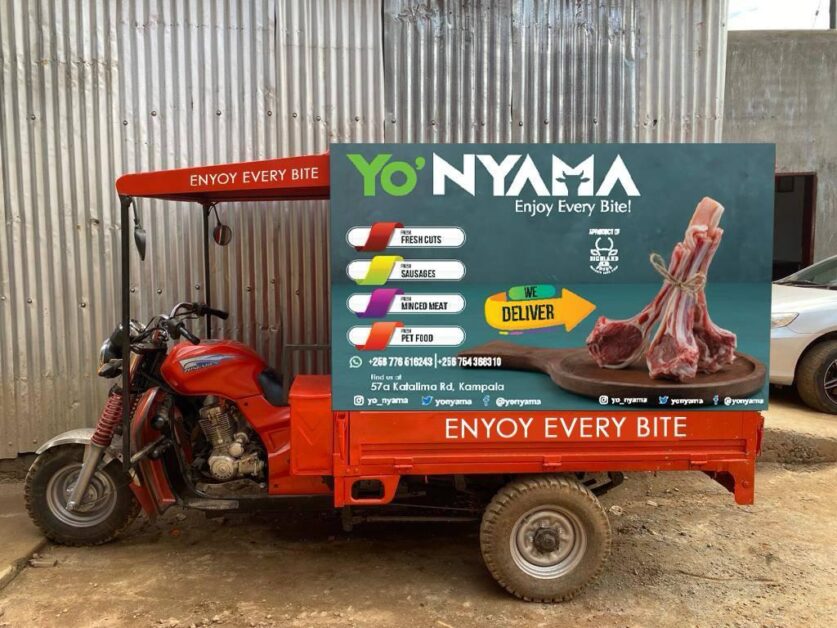
Yo Nyama brings more than supplying meat, as they have slow-smoked meats and marinated cuts. “We smoke meats for 12-24 hours for tenderness and flavour, giving customers healthier foods.”
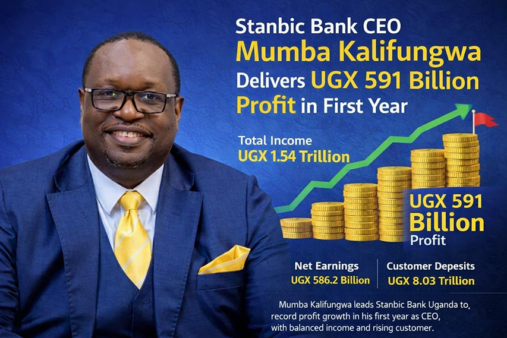
 Stanbic’s Five-Year Scorecard: How Profit Growth, Deposits, Lending and Dividends Reshaped Performance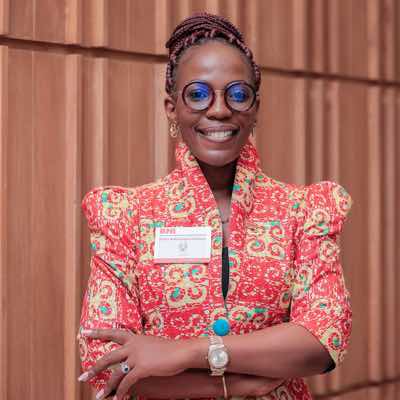
Joining BNI
Joining business networks can be a game-changer, and for Mrs Adeyemi, it was BNI, which she joined in May. It acted like a springboard for her business.
“We were launched in August, and they have a very high level of accountability, which does not exist in the private sector, especially with SMEs. They gave me a mindset shift and my business has grown 10-fold – from Shs10m-Shs15m to 6 times more,”
One of the subsequent gains was winning a $20,000 award from the NSSF Hi-Innovator Initiative. This directly funded their in-house delivery riders and a second branch (in Naalya), helping employee numbers grow from 2 to 18.
With two physical butchery locations, though deriving 80% of their revenue from a robust delivery service, they currently cater to over 500 households weekly and several institutional clients.
Their business model is capital-intensive and faces severe cash flow pressures. “Our business makes sense at scale. The margin is too small, but if you’re not at scale, you remain in that mediocre arrangement.”
A major decision is their cautious approach to large clients. “I’m not in supermarkets because I’m not able to competitively play the price game versus waiting 90 days to get paid. Imagine having Shs100m per week for 90 days. That’s 1.2 billion shillings. We don’t have that working capital yet.”
Unique offerings
They have also embraced halaal meat, though this strategic pivoting was not an initial part of her plan but became the cornerstone of Yo Nyama’s unique value proposition.
The crucial push came from a judge during the DFCU Rising Woman competition, who challenged her on why her brand wasn’t targeting the vast Halal market. Initially perceived as criticism, the comment lingered.
It was during her subsequent transformative benchmarking trip to Kenya that she fully researched the opportunity and had a revelation about the deeper significance of Halal beyond religious compliance.
She understood it as a rigorous standard of purity and cleanliness, where the specific slaughter method ensures toxins stored in the blood are fully drained from the meat. Convicted by this potential to offer a superior, healthier product, she made the decisive switch.
“We decided we are moving Halal… and it has not disappointed. It has yielded a hundred per cent,” she states, highlighting how this focus on quality and purity opened up a massive and underserved market, setting her brand apart in the industry.
Ensuring quality
Yo Nyama also formalises their farmers by inspecting their farms because the mission is to give their clients GMO-free meat. That means animals should be grass-fed and not injected with artificial things.
“We have a database of farmers whom we work with after being vetted by our veterinary doctors. They should also have an understanding of bookkeeping. BNI has also opened me up to the farming power team – businesses with synergies which share with me farmers they are working with, well aware of our standards.”
Yo Nyama has also trained three youths and is looking to recruit more youths who are already in the abattoirs on what we look for in the meat, such as it being halal, the number of stumps and the like.
“They put a markup and sell to us. They have grown with us and know that losing us means losing their livelihood. With that, they take caution to get us quality meat.
Mrs Adeyemi is also learning more about traceability as she believes that this will open the business to export markets.
Lessons
Do not go with the flow or sentiments, lest your business fail. Use data to learn about your potential.
Forecasting, more so with fresh produce, is key because you have a very small margin for error. That is why using technology research and development to plan is key.
For instance, when we are packing your meat, we ask about the number of people. So if they are six, we know a kilo is enough. When you say we are two and order a kilo, we will give it to you in half kilos, so you only defrost what you will eat.
The challenges: Muscle, consistency, and mindset
Mrs Adeyemi categorises her ongoing challenges into three areas:
- Financial muscle: To compete with payment terms and achieve economies of scale.
- Consistent supply: Building a reliable pipeline of quality meat from small-scale farmers to serve the ever-growing market.
- Human capital: Finding patient, committed talent with the right mindset. “How many of them are willing to join a small organisation like mine, be paid peanuts… and wait it out for when the company is bigger and can afford more?” she asks.
The future: A calling to national transformation
For Mrs Adeyemi, this is far more than a business; it’s a calling to prove that Ugandan brands can achieve scale, quality, and global recognition.
“I really need to show Ugandans that we can do this,” she says, her voice filled with conviction. “And it starts with me.”
Her ambition is clear: to leverage technology and R&D to create unique, value-added products from waste, such as bone powder, and consolidate nationally, with the ultimate goal of expanding Yo Nyama’s product range to the regional and global markets.
Her advice for aspiring entrepreneurs in this space is grounded in her experience: “Your capital should be patient capital… Be ready to do the work… understand the entire value chain.”
Because while the demand for quality protein is a proven, growing certainty, true success belongs to those willing to play the long, patient, and purposeful game.