From a childhood of abundance to the humbling lessons of loss, Ninsiima Kakurah’s journey spans continents and careers—culminating in a mission to equip East African families with the tools, strategies, and mindset to build and sustain generational wealth in a rapidly changing world.
From fortune to fallout to financial freedom, her life in two worlds fuels an urgent call for families to rethink wealth, blending deeply personal lessons with a culturally grounded playbook to turn loss into legacy before it’s too late.
Imagine having a father who owns 20 salt wells, numerous cows, and grazing lands around Lake Katwe, as well as in Kabushaho, Bumbaire, Igara in Bushenyi District, in western Uganda.
That was Kakurah Ninsiima’s father. He also ran a bustling commercial shop in Lake Katwe town, owned boats that sailed across Lake George, carrying goods like sugar, salt, and posho to the Congo city of Goma. The return trips ushered in bright textiles and bits of culture—the shirts and bitengye that spoke of borders crossed and worlds connected.
He also owned a city abattoir, selling meat and collecting hides and skins. He sold the latter to Uganda’s billionaire businessman, Hassan Basajabalaba, who was then into the hides and skins export trade and a major player in the leather industry.
Trucks were another pillar of his business empire, transporting salt from Lake Katwe far across Uganda to farmers who use salt for their animals.
Beyond business, he was a pillar of the community, helping his siblings start small enterprises. He also educated many, ensuring each of the children under his care found their footing.
Here lay Ninsiima’s fondest memories: the favoured youngest child who rarely wanted for much because her childhood was coloured with relative plenty. “I was cocooned in that innocence of abundance,” she reflects.
The fall from wealth
Yet despite his vast holdings, his hard-earned cash slipped through his hands like sand. He was caught in a cashless economy he couldn’t navigate, where hard-earned wealth vanished in transactions without foresight or safety nets. His ignorance about saving, investing, and adapting was his undoing.
Ninsiima remembers the abrupt transition with an ache too much for any child to bear.
“All too soon, my father’s fortune plummeted and the security faded.” Then, the hardship as an underprivileged teenager became the new reality. Yet, those struggles, rather than crushing her, sparked resilience and a burning passion to break free from limitation.
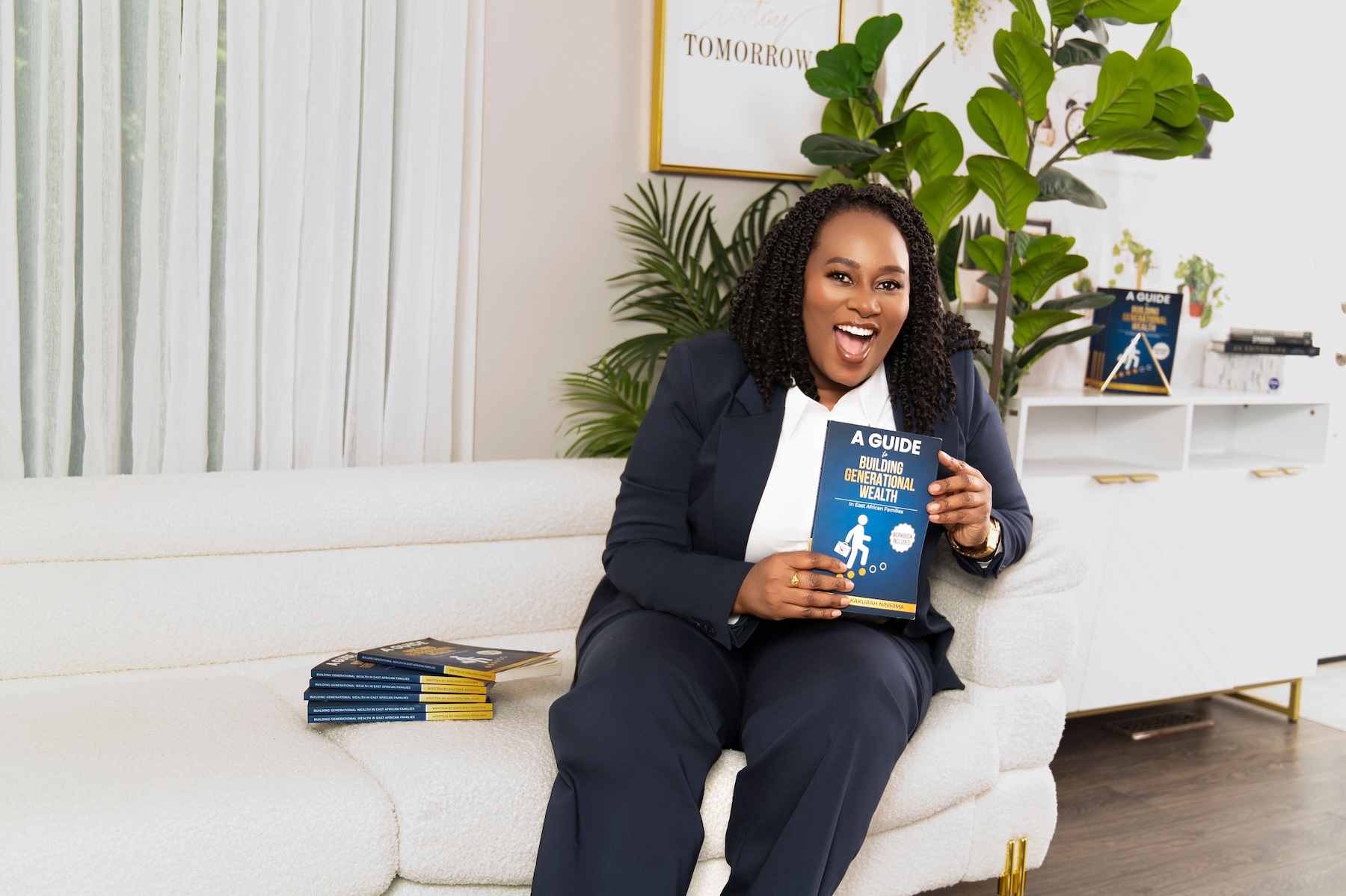
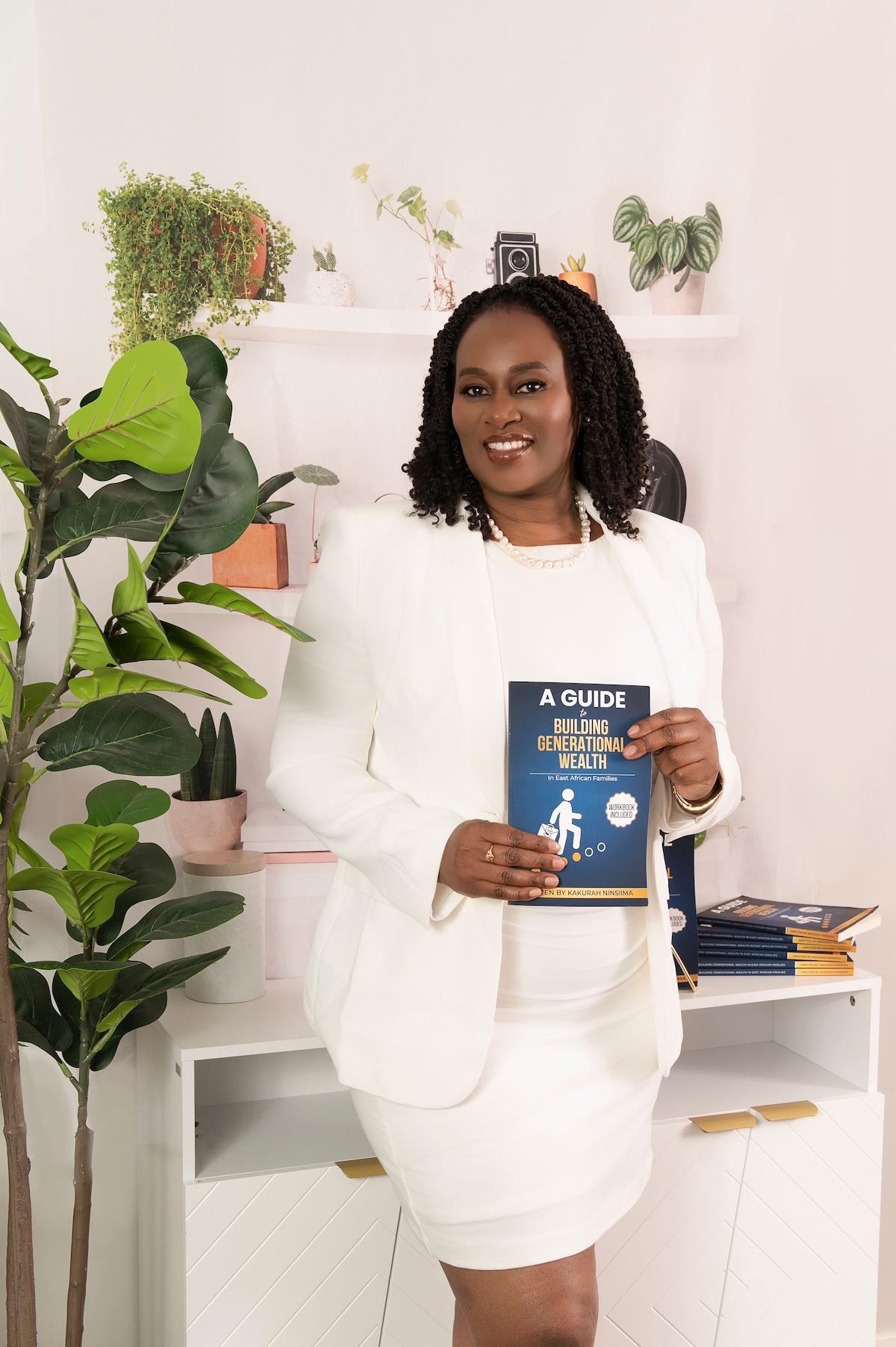
“Both real-life struggles and triumphs shape me,” she says with quiet conviction. Today, she is the author of A Guide to Building Generational Wealth, a work deeply rooted in her journey.
Lessons in resilience
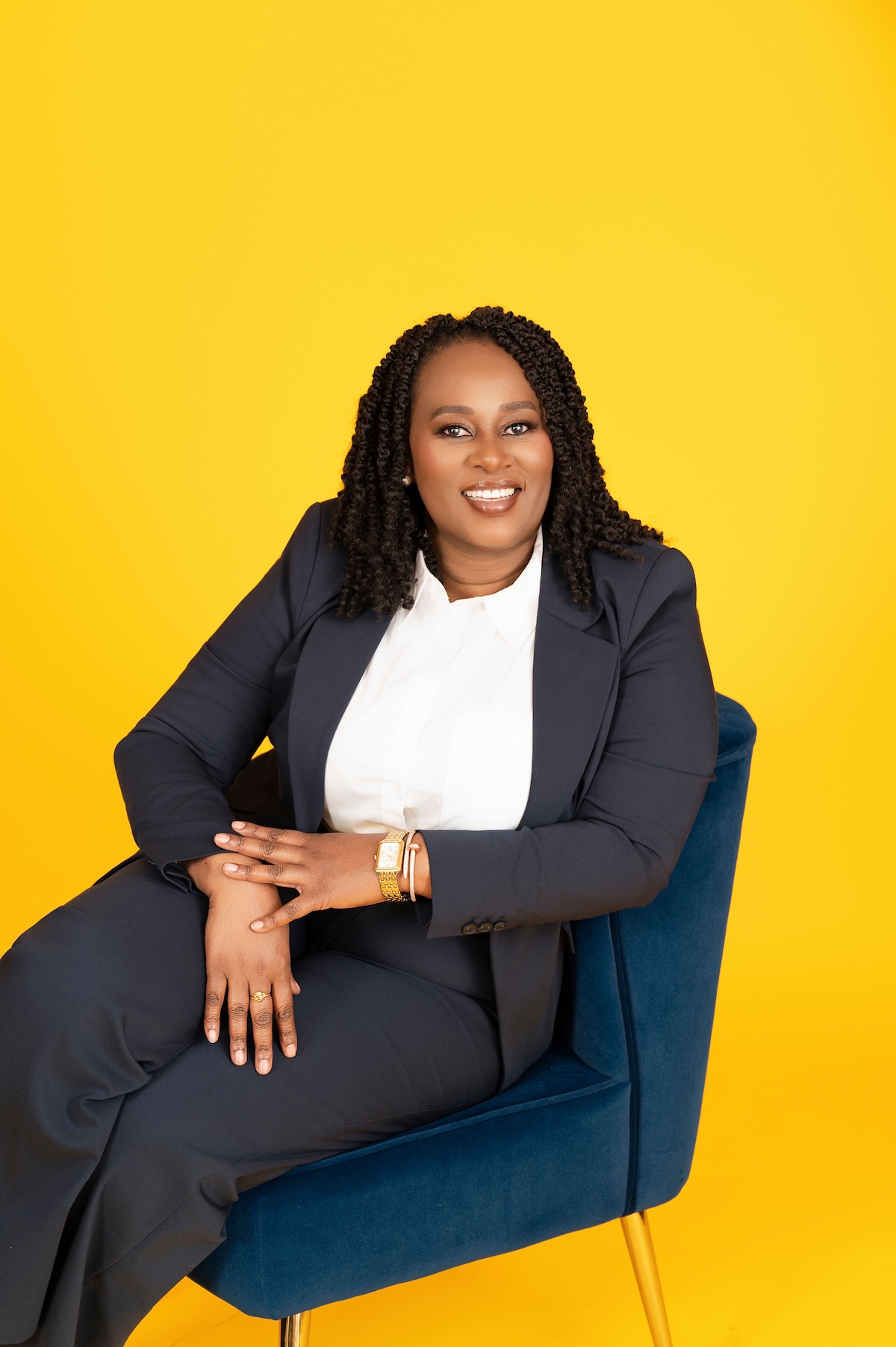
Financial instability left an indelible mark on Ninsiima, who had witnessed firsthand the sacrifices her parents made to secure a decent life for their children. From an early age, she vowed to achieve financial independence, never to be limited by what her family could or could not provide.
Education and early career abroad
Her battles with life and finances stretched across borders. When Ninsiima arrived in Canada, she carried with her not just a dream, but the determination to make something meaningful out of every opportunity.
Her journey started at George Brown College in Toronto, earning a diploma in Social Work. Here, she learned the importance of service, people, and community—values that remain with her to date.
Her hunger for knowledge led her to Laurentian University, where she pursued a degree in Economic Development with a minor in Finance. This foundation in economics and finance set her on a completely different path, one beyond what she’d envisioned.
Career ups and downs
Shortly after graduating, she landed the role of a data integrity specialist in the maintenance department at one of the biggest oil and gas companies in Canada. She worked in a small northern city that held some of Canada’s largest oil sands reserves. Then suddenly, she was laid off. That was the first time life reminded Ninsiima about how fragile even a stable job can be. Thankfully, a friend helped her find a payroll analyst job with a scaffolding company.
“Though it wasn’t my original career path, I embraced it, but deep down I knew I wanted to start fresh in a bigger city where opportunities expanded as far as your ambition could take you,” she says.
She later returned to oil and gas with Husky Energy. Working in the oil sands meant gruelling schedules—seven days on, seven days off—but Ninsiima threw herself into it. When Husky merged with Cenovus, she fully relocated to Calgary, renting out her Fort McMurray home. But soon, the axe was raised again.
“Those six months shaped me. I chose not to sit idle, travelling through six African countries, to reconnect with the continent’s immense potential. When I returned, life rewarded me with consulting opportunities, first through TC Energy, then Repsol, before finally transitioning into full-time employment. Throughout these shifts, I continued building my own company, balancing entrepreneurship and consulting with the realities of corporate life,” she shares.
Today, Ninsiima is both an employee and a business owner, still learning, still building. She equally struggled with wealth management because owning property, reinvesting, and thinking ahead didn’t come naturally at first.
The making of a financial guide
These hard-won lessons, intertwined with cultural shifts, eventually led her to commit fully to understanding financial literacy and consumer rights. “Beyond accolades, my passion is transforming lives through education and practical guidance,” she says.
Though the dream of financial independence had taken root in her teenage years, adulthood taught her that wealth-building was far more complex than ambition alone. It required patience, education, strategy—and above all, a willingness to unlearn.
Immigrant experience has been a big part of her making, but it is intertwined with motivation from her parents, inspiring mentors, friends and associations. “They grounded me and gave me a compass to navigate the storms,” she reflects.
A legacy of empowerment
Writing A Guide to Building Generational Wealth in East African Families was Ninsiima’s way of turning personal trials and experiences into a learning platform.
“Seeing my own family and others struggle despite hard work—and realising that accessible financial literacy was missing—motivated me to share actionable, culturally attuned knowledge.”
For her, success is not measured in accolades or accounts but in impact. Her greatest reward is in building lasting relationships and witnessing the growth of those she has mentored. It is this spirit of service, transparency, integrity, and resilience that guides both her personal life and her professional mission.
Above all, she hopes her legacy will be one of empowerment, practical wisdom, and shared prosperity—“a legacy that uplifts families and communities across generations.”
The East African lens
Despite the divergence in financial landscapes among the different East African countries (Uganda, Kenya and Tanzania), Ninsiima says the differences are not so big as to deter speaking to them as a whole.
 From Profit to Loss: FINCA Uganda Sinks into Red with UGX 662 Million Loss, Tough Year Ahead for MD James Onyutta
And in her study, she saw a glaring gap in financial literacy and wealth-building knowledge. This is characterised by a lack of practical, locally relevant guidance on saving, investing, and wealth transfer.
“We cannot copy and paste global models without context,” she insists. “Our families navigate SACCOs, savings groups, mobile money, and traditional roles. The guide integrates these realities while blending them with modern strategies.”
In this way, her book is not just another global wealth guide—it is uniquely East African in its cultural, economic, and familial grounding.
Why now?
Ninsiima believes the timing is critical. “Economic growth and fintech innovation have given us new tools, but the gaps persist. It’s urgent to equip families to seize opportunities and safeguard wealth amidst rapid change.”
Her ideas align seamlessly with Uganda’s and East Africa’s broader economic and financial inclusion goals, championing grassroots empowerment, accessible financial education, and entrepreneurship.
The urgency, she says, is heightened by market realities. They include rising youth unemployment, expanding informal economies, and increasing remittance flows, making sustainable wealth strategies a priority.
Through her work, Ninsiima uncovered surprising truths about wealth creation in East Africa. For instance, many believe wealth requires large capital or foreign investment. However, she learned that the strongest foundations often come from local networks and patient, small investments. It is in the rotational saving groups, such as kibiina and chamas, where the power lies.
Values that shape Ninsiima’s work
Outside of finance and writing, she seeks balance through music, hiking in nature, and quality time with family and friends. “Those moments restore me,” she shares warmly. “They give me perspective.”
If someone were to meet her for the first time, she would want them to know one thing: “I’m genuine and driven by a desire to empower others as much as myself.”
Lessons for African businesses
Ninsiima uncovers that wealth is not merely the accumulation of assets, but the cultivation of capabilities.
For African businesses aiming for long-term sustainability, her lessons are clear. It is patience in growth, reinvestment of profits, risk diversification, and trust-building with communities.
To pass wealth to the next generation, creating generational wealth means to transmit not only educational achievement and financial literacy, but also governance habits and cultural identity.
Therefore, she encourages business leaders to integrate generational wealth principles into governance and succession planning. The agenda is to embed family values, communicate transparently, prepare successors through education, and advocate for low-interest loans and supportive policies.
And what can African entrepreneurs learn from traditional family wealth models? “Their strength lies in group support and shared risk,” she says. “Their weakness is limited planning and reluctance toward innovation.”
Practical strategies for families and leaders
Ninsiima insists that East African families don’t need to wait for windfalls to start building wealth. There are immediate, culturally relevant steps that can change the trajectory of a household:
- Leverage savings groups as a capital base.
- Teach children age-appropriate financial basics.
- Develop simple family investment plans linked to local opportunities.
So the question is whether families will translate this philosophy into institutional practice. Will quarterly family gatherings be transformed into structured meetings with budgets, minutes, and oversight?
Will children be taught financial concepts in their own languages, connected to the everyday markets they are familiar with, rather than through abstract curricula imported from elsewhere?
These conversations are necessary if wealth is to be transferred through generations to avoid haphazard practices.
For her, financial education is a cornerstone. “Early education fosters conscious stewardship,” she explains, “helping youth avoid the common pitfalls that trap so many into cycles of debt and frustration.”
Succession planning, often shrouded in silence, is another area she urges families to tackle head-on. By opening respectful dialogues early and creating ethical, written inheritance plans, families avoid conflict and secure continuity. Silence around money only breeds confusion and pain.
Personal journey and authority
Her authority on the subject is not theoretical; it is carved out of lived experience. Job losses, financial hardships abroad, and the humbling realisation of her own knowledge gaps. All fuelled her mission for deeper understanding and advocacy.
“As a family, we’re laying the groundwork for applying the book’s principles—cultivating savings habits, prioritising needs, budgeting transparently, and building small ventures,” she shares.
Her approach has also been shaped by others. It is family elders whose wisdom provided grounding, and financial literacy advocates who championed accessible knowledge. It is the resilient immigrant entrepreneurs whose courage modelled perseverance.
Call to action and engagement.
When asked what single action she wants readers to take, her answer is strikingly simple: “Begin with small, consistent steps. Whether saving, learning, or investing, lasting legacies are built incrementally.”
Yet she also recognises that families alone cannot shoulder the burden. “Stakeholders must collaborate,” she insists, “through supportive policies, targeted education, low-interest loan programmes, and community partnerships that ensure a healthy financial ecosystem.”
Her book, A Guide to Building Generational Wealth in East African Families, launched globally on 15 June 2025 in both print and digital formats, available at major bookstores and online. In October, she will host launch events in Uganda (19 October) and Kenya (25 October), complemented by media appearances and workshops aimed at equipping families with the tools to start their own wealth journeys