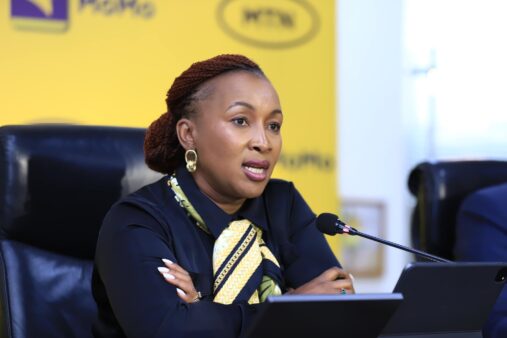
Technology is reshaping East Africa’s economy and society. Ambassador Philip Thigo, Special Envoy on Technology for the Republic of Kenya, shares with CEO Magazine how the region can harness its youthful population, strengthen digital infrastructure, and build an inclusive digital future.
East Africa is rapidly advancing in technology and innovation. What is driving this momentum?
The main driver is our demography: a very young population that is naturally digital. Our youth are tech-savvy, literate, and connected, and English, the global language of business, is widely spoken.
Equally important is regional cooperation. East African countries are investing in shared digital infrastructure, which expands connectivity and creates a unified business ecosystem. Individually, our markets may be small, but together, the region is a powerful bloc.
Given these strengths, why isn’t growth faster, and how can the region unlock its full digital potential?
We must move beyond traditional trade to build partnerships in digital public goods and technology transfer.
Agriculture and manufacturing are already integrated; now, digital trade must follow. Real growth will come from cross-border collaboration in data, innovation, and digital services.
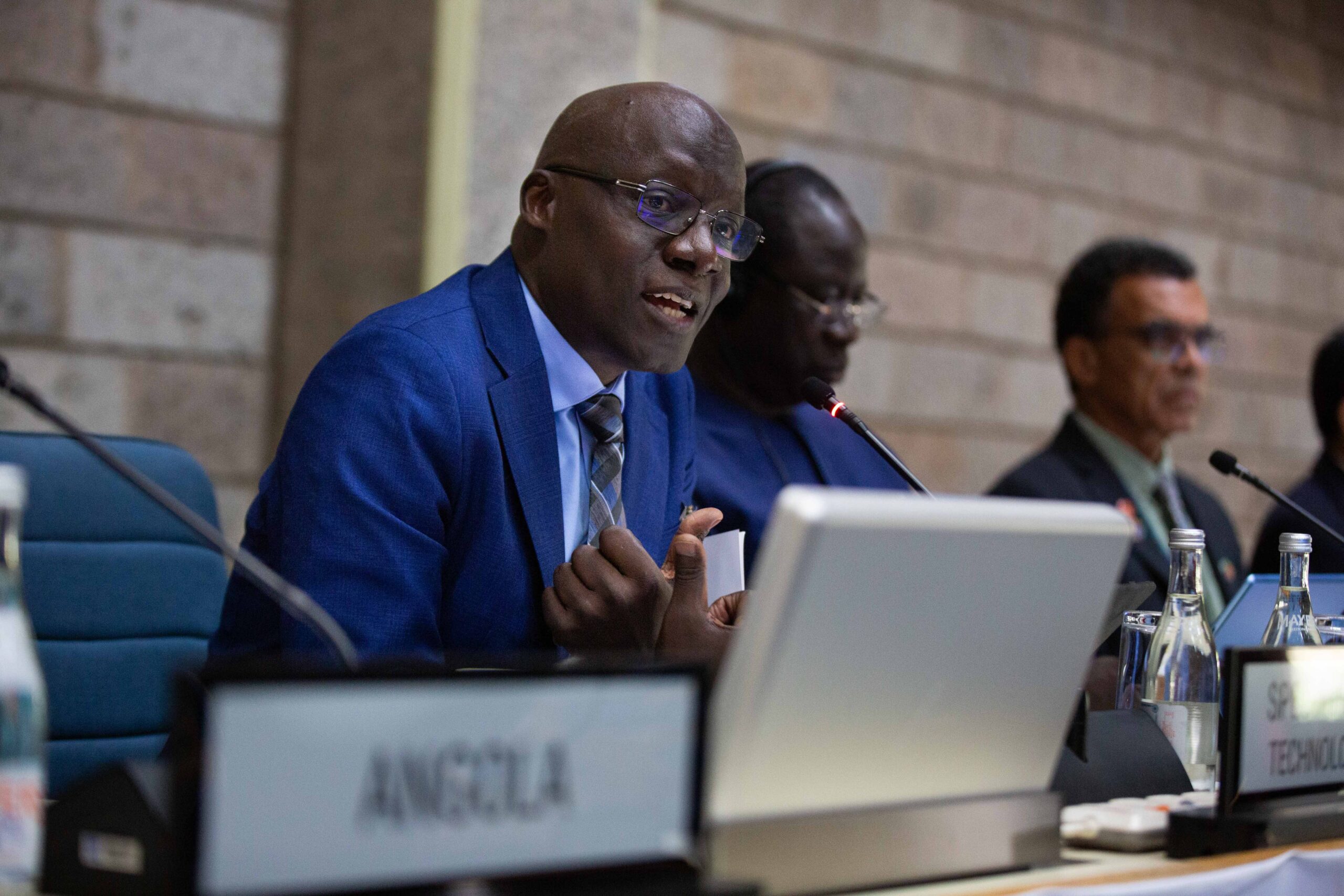
What role should the East African Community (EAC) play in accelerating digital transformation?
The EAC is crucial, especially in interoperability. Our systems must talk to each other. Kenya and Tanzania recently launched an initiative to harmonise digital infrastructure, a big step forward.
We also need financial interoperability, including regional digital currencies and cross-border payment systems to support SMEs.
And we must make capital and talent mobile, not confined by borders. True regional growth means people, ideas, and capital move freely.
East African governments are digitising at different speeds. How can countries learn from each other?
First, digitisation must be locally driven. Too often, our priorities follow donor agendas. We must define our own.
We should decide which sectors to digitise first, balancing economic and social priorities. Digitising only finance and markets leaves out key sectors like health, education, and agriculture, which are vital for inclusive growth.
How do we ensure that rural and low-income communities benefit equally from digital transformation?
Most East Africans live outside major cities. Governments must de-risk rural investment so the private sector can follow.
Funds like Uganda’s Universal Service Access Fund prepare less profitable regions for future investment.
AI can also close the gap by enabling local languages, translation, and remote access. With inclusive technology, even communities in refugee camps or remote towns can participate meaningfully in the economy.
Given limited resources, how can we invest in areas that seem less commercially attractive?
It’s not just about money, it’s about mindset. Every region has unique potential. Instead of extractive models that serve external markets, we should build regional value chains.
Take livestock: rather than exporting raw products, we can add value locally, producing dairy, baby foods, or leather goods. Regional trade reduces costs and builds shared prosperity.
Digitisation also brings risks. What should countries watch out for?
Four things stand out: First, local ownership; if digitisation is externally driven, we import foreign biases. Second, cybersecurity, we must build local capacity to protect data. Third, data sovereignty; ensure national data stays within national clouds.
Finally, inclusivity, no community, especially women, youth, or persons with disabilities, should be left behind.
East Africa has one of the youngest populations in the world. How can it turn this into an innovation dividend?
We need consistent, quality talent across the region, not just in major cities. Equal access to relevant education and skilling is key.
 After 29 Years in Court, Government Ordered to Pay UGX 512.9 Million in Kamuli Land Dispute
We also need patient capital; funding that allows young innovators to grow, and stronger university research capacity to support SMEs with R&D and market insights.
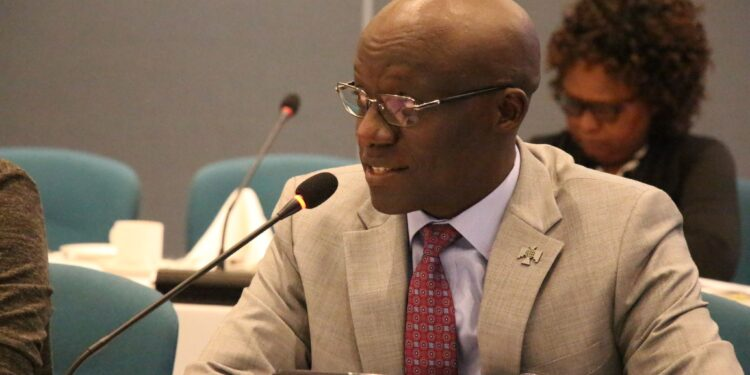
You talk about ‘evening out the skilling.’ What exactly does that mean?
Our universities must produce market-ready talent. Education should be transdisciplinary, combining business, technology, and innovation.
We train graduates for jobs that don’t exist, forcing them into entrepreneurship without business skills. Every professional, from doctors to engineers, should also understand business.
Innovation raises ethical concerns, especially around AI. How can the region promote responsible use of technology?
Start with digital fluency. People must understand that technology can be used for both good and harm.
Governments should establish policy sandboxes, safe spaces where innovators can test ideas before regulation catches up. Innovation and policy must evolve together, not in conflict.
In Uganda, many accelerators are privately driven. How can public and private efforts align better?
Through collaboration and co-creation. Governments should lead in setting up sandboxes that reflect public priorities, while private accelerators bring innovation.
Alignment ensures regulations grow with the ecosystem, not against it.
What role is Africa playing in shaping global AI standards?
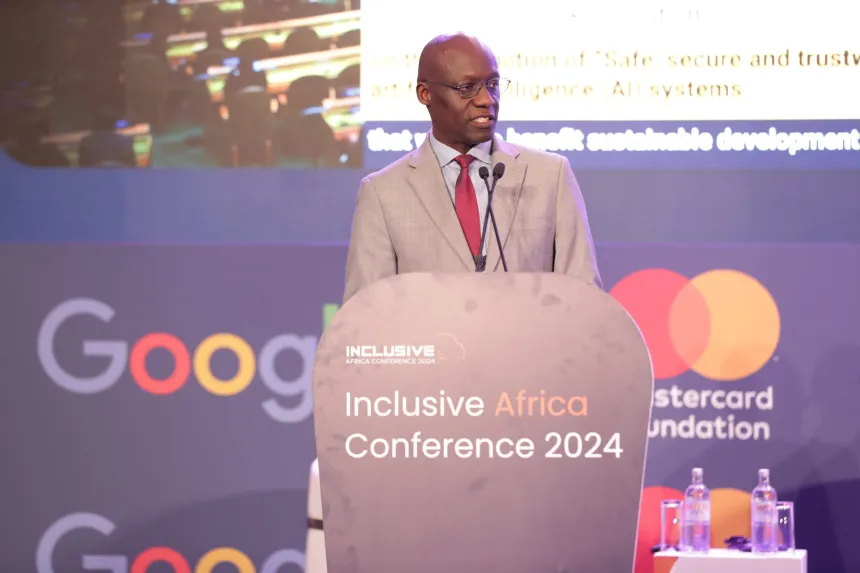
Africa has been active globally. During the UN’s first-ever AI resolution, African countries led efforts to ensure AI governance is safe, inclusive, and trustworthy.
We also contributed to the Global Digital Compact and financing frameworks for digital capacity.
Africa may not own most technologies yet, but we have the largest potential, and must be part of setting global standards.
Looking ahead to 2030, what digital future do you envision for East Africa?
By 2030, I hope to see technology solving everyday problems in health, education, agriculture, and urban mobility.
This time, Africa must not just supply resources for global innovation; we must lead and benefit from it. Our economies should become knowledge-driven, not resource-dependent.
What must East African leaders prioritise now to secure an inclusive, tech-driven future?
Invest in young people. They are our greatest asset. If empowered, they wll drive not just regional but global transformation.
Finally, what keeps you optimistic about East Africa’s innovation story?
Our creativity. From students building drones out of scrap to coders solving real-world challenges, our youth have limitless potential.
If we open doors for them, there’s no ceiling to what East Africa can achieve.