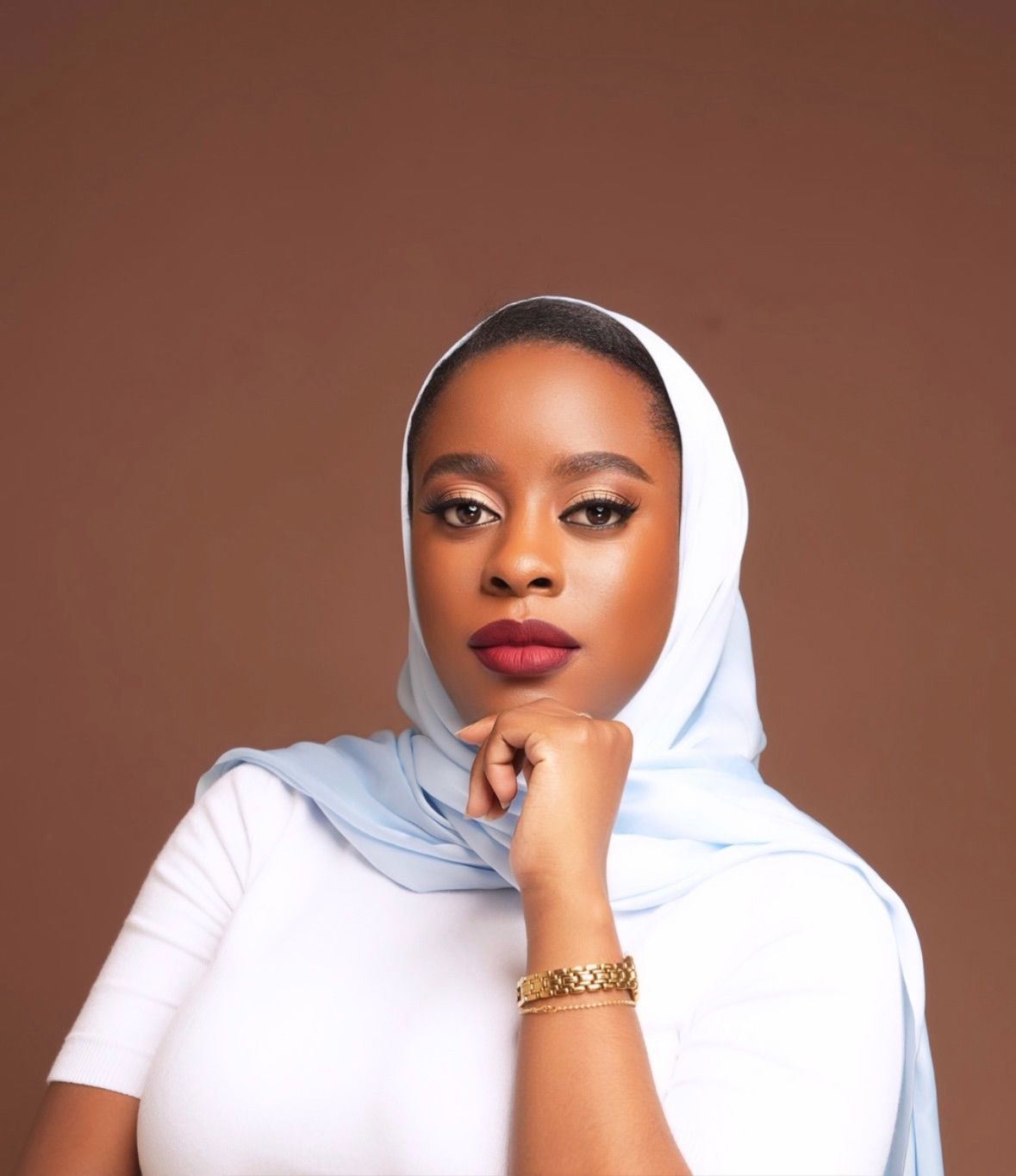
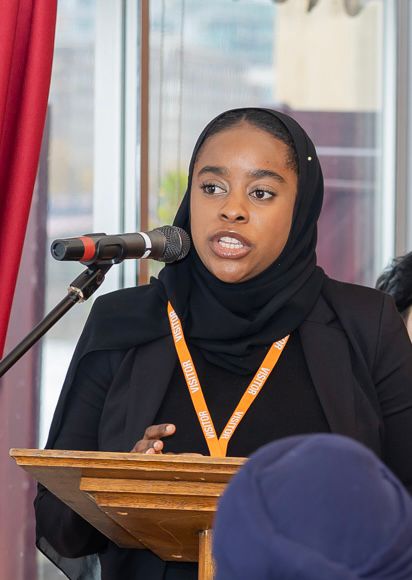
Entrepreneurship, according to Aaliyah Ssekatawa, is not a lifestyle trend but a discipline that demands structure, intention, and long-term thinking.
As Managing Director of Rockstone Management Company, an investment holding and strategic advisory firm working with enterprises across Africa, she sits at the intersection of capital, strategy, and enterprise development.
In this interview with CEO East Africa Magazine, Ssekatawa discusses the philosophy behind Rockstone’s investment approach, the structural barriers limiting African entrepreneurship, especially for women, and why the continent’s next phase of growth will depend on building scalable, disciplined businesses rather than informal ventures.
Who is Aaliyah Sekatawa?
Aaliyah Sekatawa serves as the Managing Director of Rockstone Management Company, an investment holding and management services firm.
Rockstone is dedicated to providing specialised strategic support and comprehensive management solutions to diverse enterprises across the African continent. Beyond my executive mandate, I am just an everyday person who balances high-level commercial aspirations with a grounded, value-driven personal outlook.
What personal values have helped you remain consistent through every phase of your journey?
The cornerstone of my professional and personal journey is my faith. More than a spiritual guide, my religion is a functional blueprint for maintaining institutional dignity, mutual respect, and strategic consideration in everything that I do.
This moral compass ensures that all my decisions remain aligned with my personal integrity and the overarching missions of the organisations I work with.
What do people misunderstand about you the most?
When people look me up online, they often assume I’m very serious. I’m actually the complete opposite. I am quite goofy, highly discursive, and intellectually engaged. Although I can navigate high-level corporate functions very well, I am an introvert who prioritises meaningful, deep connections within a curated circle of people.
What exactly is Rockstone, and why does it exist?
Rockstone is an investment holding and management services company providing strategic insights and support to different businesses across Africa. We uniquely maintain a proprietary portfolio of businesses while simultaneously offering bespoke management services.
These range from business optimisation and strategic architecture to full-scale implementation for businesses, organisations, individuals, family offices, and anyone who needs our support.
Our motto is “Creating foundations for growth,” because growth starts at the beginning. It reflects the belief that sustainable expansion is rooted in the quality of the systems and structures established at the genesis of an enterprise.
We are fluid by design. Unlike traditional firms that may prioritise scale over accessibility, Rockstone was built from the ground up with a mandate to foster inclusive economic development.
Our service spectrum is deliberately broad. We provide high-impact support for high-ticket clients, yet we remain accessible to emerging SMEs. Our goal is to contribute positively to the macroeconomic development of Uganda and the wider African region by ensuring that every founder, regardless of their current size, has access to world-class strategic scaffolding.
Who is Rockstone designed to serve—founders, SMEs, investors, corporates, or development partners?
It varies, and it’s never boring. Rockstone’s clientele is as diverse as the African economy itself, spanning founders, SMEs, institutional investors, and development partners.
For an emerging business, Rockstone acts as a surrogate C-suite, helping a founder who wears multiple hats, like accountant, marketer, and strategist, to formalise their operations. For larger entities, the firm provides the granular optimisation required to maintain a competitive edge in a rapidly evolving global market.
Are there any key facts or figures that make you proud?
While financial metrics are an undeniable component of commercial success, I measure professional pride through the lens of human capital development and narrative impact. I am most gratified by the success stories we facilitate.
Rockstone has become a launchpad for talent; individuals from diverse educational backgrounds have joined the firm as associates or interns and progressed to thrive in major public and private sector institutions. Knowing that Rockstone served as the foundational bedrock for their career trajectories is the ultimate indicator of success for me.
You operate across agriculture, real estate, technology, and media. What is the strategic logic behind that portfolio?
Rockstone operates across high-growth sectors, including agriculture, real estate, technology, and media. This diversification is not incidental; it is driven by exhaustive industry analysis and global business analytics.
- Agriculture: Leveraging Uganda’s unique fertile landscape and dual rainy seasons, Rockstone views agriculture as a foundational pillar for regional food security and export potential. Much of Uganda’s land is incredibly fertile and arable. Uniquely in Sub-Saharan Africa, Uganda’s two rainy seasons significantly reduce the costs and risks of agricultural investments.
- Technology: AI, blockchain, and digital infrastructure are the primary catalysts for narrowing the gap between African and developed markets. Suppose we do not actively participate in these digital frontiers, the continent risks falling behind. We are committed to growing Uganda and Africa, so we make strategic decisions about where we invest our time and capital.
What makes Rockstone stand out in a region full of advisory and investment firms?
In a region saturated with advisory firms, Rockstone distinguishes itself by moving beyond theoretical decks and PowerPoint presentations on financial modelling.
While many firms focus exclusively on tax and fiscal structures, Rockstone prioritises the “invisible” factors that drive growth: culture, operational realities, market behaviour, and work ethics. We do not simply provide strategy; we embed.
Our firm’s approach involves walking the journey alongside the client, often deploying associates directly into a partner’s office to ensure that strategic recommendations are translated into tangible results. Further, when there is alignment, we invest directly with clients. Many advisory firms want to advise, but not take risks.
Beyond individual deals, what role does Rockstone play in building stronger and more competitive enterprises for Uganda and the region?
We provide structure, experience, and confidence. When investors or businesses enter a market like Uganda, uncertainty can be high. Having an investment manager who “holds your hand,” provides clarity, and shares risk creates a level of confidence that is not easily found in Uganda.
This encourages investment, improves execution, and helps build more competitive enterprises. We also provide institutional-level clarity and support in environments where such structure is often missing.
You could have stayed in high-performing professional structures, say, in the UN. Why choose entrepreneurship?
In chess philosophy, the pawn that becomes the queen is the one that endures.
Education and structured work environments matter because they teach standards and systems. However, I am purpose-driven with big dreams. When I looked at my country and the continent, I felt we weren’t doing enough. I wanted to make bold moves and didn’t want to be boxed into other people’s spaces. Sometimes, that vision simply doesn’t fit inside a traditional nine-to-five.
Why investment specifically?
My academic journey is a global tapestry, with foundational education in Africa supplemented by higher learning in Geneva, London, and New York. This international exposure allowed me to adopt a global outlook while remaining focused on African developmental needs. It enabled me to apply international principles and systems to uniquely African challenges, whether in policy, extractives, or governance.
However, my time working in traditional development sectors led to a significant realisation that much of the progress was being stifled by bureaucracy and cycles of dependency. I realised that meaningful development must be private sector-led.
Driven by a desire to see Ugandans thrive beyond a subsistence existence, I pivoted to investment and enterprise as the most effective catalysts for sustainable macroeconomic change. So, I started there.
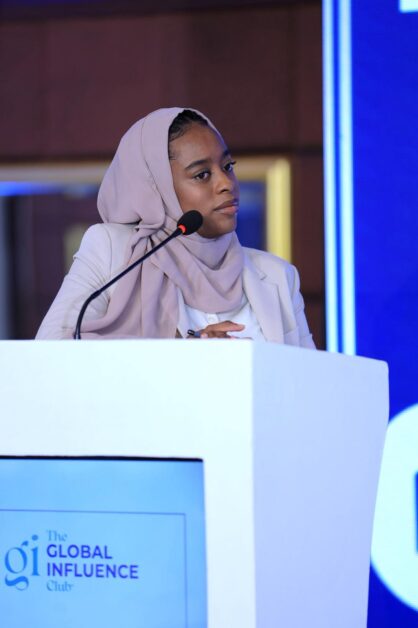
Your rise has been unusually fast. What early experiences tested you quietly and prepared you for leadership?
Losing a parent young, especially as the older sibling, forces you to confront responsibility quickly. That experience pushed me both personally and professionally. I push myself as much as possible because, sometimes, you don’t have a choice. I come from a successful bloodline, and I want excellence for my children and for the people who work with me.
Even now, during my yearly reviews, I sometimes look at my achievements and think they aren’t enough. But when you do things with purpose, ethos not for applause, you keep showing up. That consistency has carried me. While I am not there yet, I know I will get there.
When did you realise you weren’t just participating, but leading?
Leadership is tricky because many people think it’s about standing in boardrooms or speaking at conferences. For me, leadership shows up in different ways. It started early with school leadership roles, where I learned that it is never about myself, but about how I can encourage others, identify their weaknesses, and help them become their best versions.
It is about how to bring the best out of people. Honestly, my first leadership experience was at three years old when my brother was born, because I’ve been telling him what to do ever since.
As Chairperson of the Women Entrepreneurship Platform Africa, how do digital tools change the game for women entrepreneurs?
Technology is a game-changer, especially for women in business, because it meets them where they are. Digital tools provide access to markets, knowledge, networks, and capital support.
For example, through our digital platform, Women Entrepreneurship Platform Africa (wepafrica.com), women can access advisory services such as practical budgeting templates, business registration guides, and supplier service-level agreements.
These help to structure a business properly. For marketing, there are social media calendars and content guidance. For financing, there are tools like business plan generators to help prepare for funding conversations. Digital tools are an equaliser; they reduce excuses and increase access.
Which digital tool is most underutilised?
Google, truly. We now have search capabilities alongside AI tools such as Gemini. Ignorance should no longer be paralysing. If you don’t know how to do something, use Google, use AI, and find the answer that is stopping you from growing.
What barriers still prevent adoption? Is it cost, literacy, trust, or infrastructure?
All of them. Internet access is expensive, and infrastructure gaps remain. While major internet players are making significant profits, it comes at the cost of low penetration in rural villages. When internet costs are high, adoption suffers, especially where access is needed most.
If you could redesign how entrepreneurship is taught, funded, or supported in Africa, what would you change?
I would change the approach entirely. Entrepreneurship should be at the epicentre of a collaboration between government, academia, and the private sector. Why aren’t we teaching children financial literacy early, coupled with budgeting, tax basics, and compliance?
I would also like to see large players converge to create regulated curricula. This would create structured support that reaches informal-sector entrepreneurs. We must teach structure and discipline, then support people where they are while monitoring progress using measurable metrics. That would raise the success rate of businesses and strengthen economies.
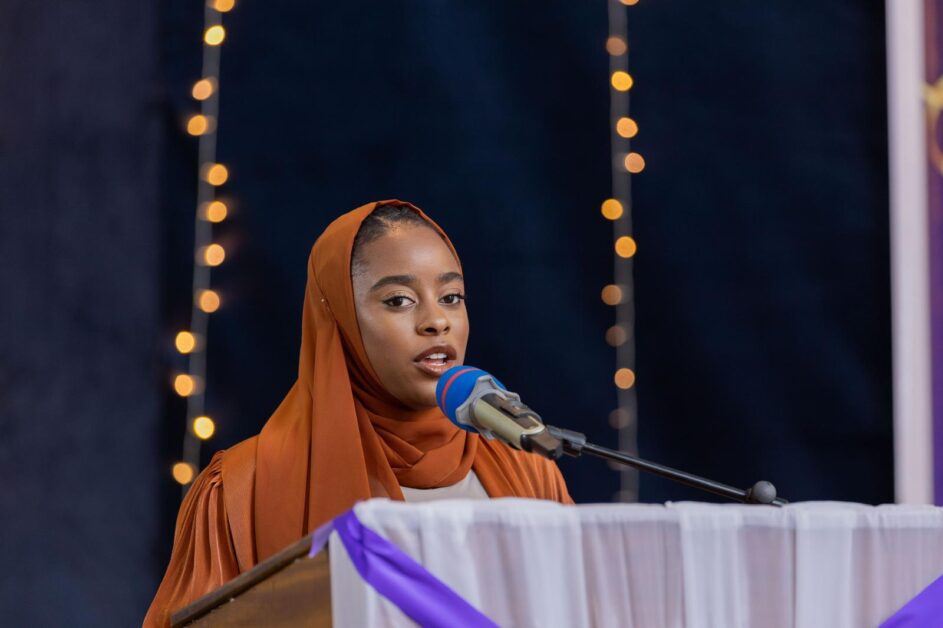
Is entrepreneurship being taught as a lifestyle rather than a discipline?
It is reactive, rather than something people approach with a structured mindset. People frequently move into business because they lack alternatives, not because they have been equipped for it. Therefore, businesses often lack discipline. Despite the informality of the sector, we could leverage the education of our youth, who make up the largest portion of our population.
Most people claim to have multiple businesses, yet many of these are not even profitable. What I would remove is the culture of shallow, one-off interventions that don’t translate into real behavioural change. We need discipline, structure, and practical, consistent, sustained support.
 When Luck Meets Preparedness: The Hitherto Behind-the-Scenes Untold Story Of The Founding Of Qcil- One Of Africa's Largest Pharmas
You have a diverse portfolio; what decision-making principles keep you grounded and consistent?
It is about ensuring we are always aligning with our strategic direction because we have ambitious goals. Whether that be monetary, impact-driven, or industry-integrated. We ensure every decision is profitable and driven by the strategic goals of our investment portfolio.
Regarding daily leadership decisions, I trust my gut, but I ensure I leave space for people to provide advice. It’s important for them to know that I listen, understand, and consider their input, while always ensuring these decisions serve the greater good of the business.
From your lived experience, what are the most stubborn structural barriers holding women back?
Society. We say we want women to succeed, but not too much. If a woman is successful but unmarried, people judge her. If she is married with children and successful, people ask why she isn’t at home. The goal posts move constantly.
Because of this, women often shrink themselves. They build “small-small” businesses instead of scalable enterprises, franchises, or global brands. This mindset manifests in our systems and structures as women. If it is bookkeeping, marketing, or customer service, all become informal structures, and this is perceived as a lack of seriousness. This isn’t because women lack capacity, but because society teaches them to stay small.
There are also institutional barriers: a major funding gap, limited advisory support, and a lack of systems that truly support women-owned businesses. One solution we offer is our digital platform for women entrepreneurs, wepafrica.com. It provides accessible, self-paced, strategic advisory support through online templates that businesses can use to grow.
What solutions are often suggested but don’t work?
Many solutions are well-intentioned but unrealistic. We must recognise that women have responsibilities beyond themselves and design solutions that fit their reality.
What should the government and the private sector pursue together to help women entrepreneurs?
They should be intentional about helping women in business. This means creating policies and structures that support compliance, registration, tax clarity, access to funding, and practical advisory services. These solutions must be driven by business owners and real market realities, not imported ideas.
Trust matters too. Many informal-sector entrepreneurs fear that government engagement is simply a route to exploitative taxation. Private and public sector actors must meet people on common ground, build trust, and create support systems that feel safe and genuinely useful.
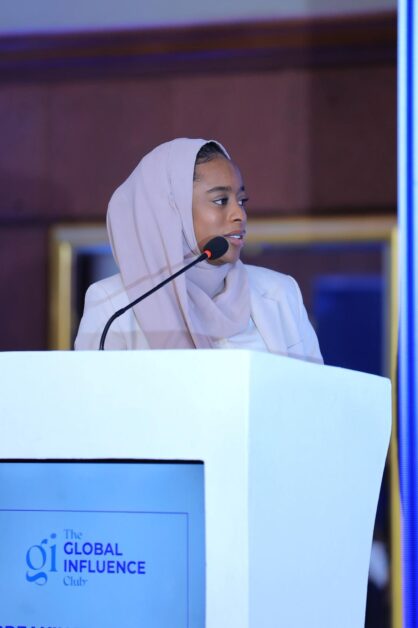
You were named among the Top 100 Most Influential Africans. How do you define influence, and what does it mean in terms of responsibility?
Influence is only meaningful if it opens doors for others. I don’t want to be influential as a “poster” online; I want it to be a lived impact.If influence leads to 4,000 women registering on our platform and gaining access to tools that help them grow, that matters. If influence allows me to make introductions that create contracts and opportunities, that matters. Influence is valuable when it helps someone move beyond where they are now.
How do you stay authentic despite the recognition?
Family keeps me grounded. When I go home, I’m just Aaliyah. I surround myself with people who remind me of who I am, and I remind myself that the titles mean nothing without impact. If I can’t point to real lives improved, what are awards for?
What is the single most important mindset shift women need—not only to start businesses, but to scale them?
Many women see business as just another side project. They are not fully dedicated or fail to see their own potential. I would tell them to stop sleeping on their potential. Women have enormous capacity, but many get comfortable being mediocre.
Not because they lack intelligence, but because they surround themselves with people who have lukewarm ambition, who lack boldness and consistency, and they get caught up in this lifestyle.
The people doing amazing things online aren’t superheroes; they aren’t the Powerpuff Girls. They simply start, try, fail and try again. Through it all, they are consistent in improving themselves and their situations. They try again and again, and they don’t let fear make decisions for them.
What is the most dangerous small-business mentality you’ve seen?
Poor financial discipline. Many businesses don’t know whether they are profitable. Money comes in, goes out, and somehow rent is paid, but no one tracks it properly, leading to a lack of budgeting. In that way, they remain unstructured, never-growing businesses.
Money is “light,” but finances are “heavy”. Finances are the heartbeat of a business. Without tracking, planning, and budgeting, businesses stay stuck, drain resources, and fail to scale.
What distinguishes sustainable entrepreneurs from those who burn out, plateau, or collapse?
It’s not ambition that kills sustainability, but a lack of planning and consistency. Big dreams require daily action plans. Work backwards rather than towards the goal: define the objective, then map the steps you need to take by year, month, week, and day.
That structure creates direction, and direction creates sustainability.
How important are visibility, narrative building, and media presence for shaping Africa’s entrepreneurs?
Visibility matters, but the right visibility matters most. Uganda, and Africa broadly, has a PR problem. Countries that tell their stories well position themselves as hubs for innovation and opportunity. We see this with Rwanda. We need to shape narratives intentionally through diplomacy, business, leadership, and strategy.
Uganda must showcase its values. Too often, Africa is framed through poverty and crisis. We must own our stories for the world and for our children. We are rich in minerals, land, and talent. The question is: how are we creating value? Our narrative must reflect dynamic success, capacity, innovation, and ambition, not only struggle. Even struggle should be branded as resilience, because that is what it is.
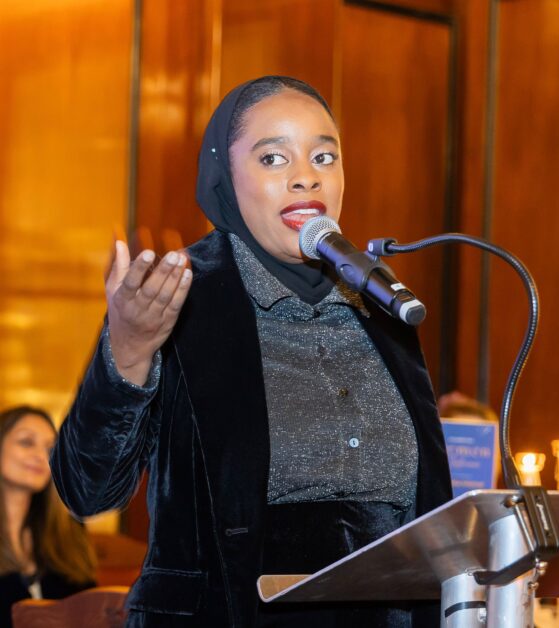
What narratives do you want the world to stop repeating?
I would like to see narratives that show you can have successful organisations, institutions, and infrastructure built on this continent. I want more large African players to be active within the African markets. Currently, many investors in the African space are foreigners who lack consideration for our cultures, values, or beliefs.
I want the African narrative to be one of dynamic success, one that is vibrant and reflects our people and our capacity. More importantly, one that is built on a legacy of Africans. Not neo-colonialism rebranded as FDI, Private Equity, Angel Investments or Venture Capitalism.
What role has mentorship played in your journey, and how do you pay it forward?
Mentorship has been central. My mentors are strong, bold men and women, ranging from corporate leaders to everyday business owners who do not even use computers. That range taught me balance between formal structures and real-life realities. They helped me remain flexible and pushed me to dream bigger, especially when I was “boxing myself in.”
I pay it forward by mentoring younger people and mentoring “up”, mentoring people older than me or in higher positions. This creates balance and shared growth. I am also dedicated to positively grooming young women and men, specifically in the business sector.
What is the best advice you’ve ever received?
Baroness Sandip Verma once told me: “It’s not enough to stay still.” That means in everything you do, you must keep doing better than what you’re doing now.
A business lesson that stayed with me came from Olumide Soyombo, founder of Bluechip Technologies and a venture capital investor: “Is this a $100 million business?” It forced me to consider scale, whether my effort I am making, match the ceiling/ potential of what I’m building or doing.
For young women in male-dominated industries like investment and real estate, what practical strategies help them succeed without compromising their values?
Set boundaries early. Women are often socialised to be people-pleasers; to be nice and avoid being seen as “too much.” That erodes boundaries over time.
Maintain your boundaries, dignity, respect, and integrity. Focus on technical excellence and deliver what you promise. People’s opinions of you are none of your business; your competence will speak for itself. Don’t prioritise being liked. In your work, you must be skilled, firm, and clear.
How do you own the room when you’re underestimated?
The room is not my business. My capacity speaks for itself; I don’t need to “own” or prove anything.
What makes women fail at negotiation tables?
Compromising too quickly. Many women are more risk-averse, and that can make them easier to bluff because they are scared of walking away with nothing. Don’t compromise out of fear. Know your value and be willing to walk away.
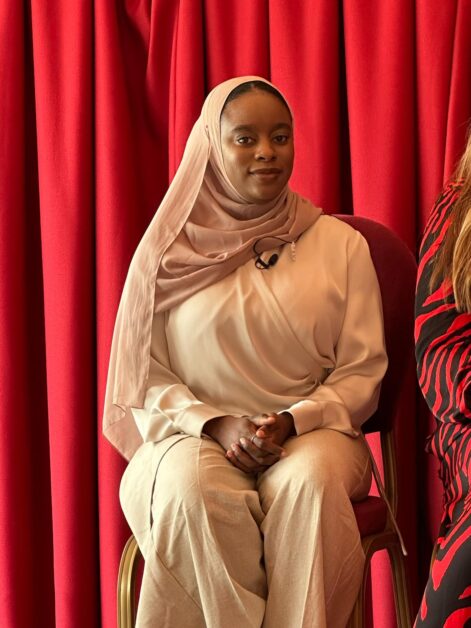
Growth is seductive. How do you balance rapid expansion with mission so your impact isn’t diluted?
I’ve failed at this before. I experienced a rapid growth of almost $12 times in a year, and I tried to model a “big firm” too early. Looking back, the key is not forget why you started.
It may not always be about impact because not everyone is here for that. Keep the main thing the main thing. If your goal is wealth, don’t pretend it is impact. Either way, stay consistent with your direction.
What trade-offs have you made to protect purpose?
I don’t compromise on values: integrity, responsibility, and dignity. You have to decide early who you are and how you will run your business; otherwise, it will be hard to change later.
Not every client is for you. Not every employee is for you. But your business is yours, so be true to yourself.
Looking ahead, what opportunities excite you most in Africa’s entrepreneurial investment landscape over the next 5–10 years?
Over the next decade, I am energised by the burgeoning potential of intra-African trade. I anticipate that expanding regional connectivity, exemplified by infrastructure projects like the East African Crude Oil Pipeline (EACOP) and improved trade routes through the DRC, will fundamentally alter how goods move into Central Africa.
We are entering an era of unprecedented opportunity. The intersection of foreign investment, value addition in Uganda’s natural and mineral resources, and the transformative power of technology across all sectors represents a new frontier.
Rockstone is positioned to be at the heart of this transition, ensuring that African entrepreneurs are not just participants in this growth, but its primary architects.
What leadership lessons have surprised you most, and what did you believe at 16 that you no longer believe now?
I used to think leadership was about being the person in charge. Now I know leadership is instinctive and shows up at every level, regardless of position. The best leaders focus on empowering others rather than centring themselves.
At 16, I thought leaders were simply “good” or “nice” people. As an adult, I’ve realised some leaders are intimidated by younger talent and actively suppress it. True leadership creates foundations for others, builds confidence, and welcomes ideas, especially from those who could eventually surpass you. That is entirely the point: creating foundations for individual growth.
What do you hope women entrepreneurs will say you made possible for them?
I hope someone says, “Because Rockstone or because of the WEPA digital platform, I grew my business and gained financial independence”. Whether that allows them to support their children, their family, or their personal freedom, simply enabling a woman to enjoy the life she wants would be a meaningful legacy.
If you were advising governments and development partners on accelerating women entrepreneurs, what three things would you tell them?
- First: Listen to women, as policy conversations often miss lived reality.
- Second: Make solutions embedded, tailored, and relevant. Otherwise, there is no real change.
- Third: Be honest and intentional about who you are helping and why. Good intentions aren’t enough; execution must match reality.