In today’s Econ-Review, a daily review of the economy, CEO East Africa brings you events that are shaping the socio-economic and plotting developments.
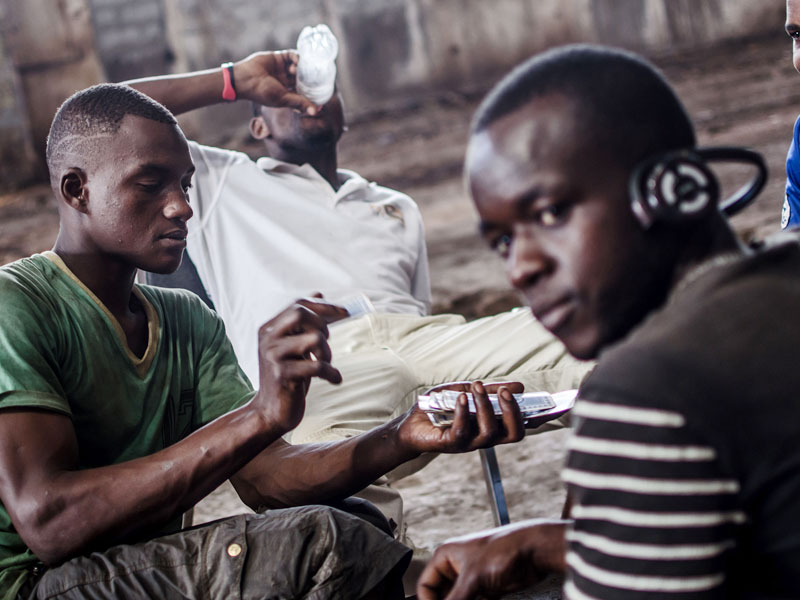
Rising levels of poverty and unemployment
Background: Uganda’s “Vision 2040” intends to transform Uganda to a modern and prosperous country within the next 30 years, breaking down this period into six National Development Plans (NDPs). The central theme of the NDP II from 2015/16 to 2019/20 is “Strengthening Uganda’s Competitiveness for Sustainable Wealth Creation, Employment and Inclusive Growth”.
The NDP II is, therefore, focusing particularly on three of the nine development opportunities outlined in the Vision 2040: Agriculture, Tourism, and Mining, Oil and Gas. Investments in Infrastructure and Human Capital Development have been prioritized to realise these opportunities. The NDPII is implemented largely through the annual budgets.
Lower middle income status untenable
While the proposed budget for FY 2018/19 will be 2nd last year of the NDP period, Government is poised to miss Key 2020 targets including the attainment of lower middle income. The untenable target of middle income is re-emphasized in the Budget Committee report that has been presented to Parliament for approval by February 1 of each year in line with the Public Finance Management Act 2015 Uganda population projected to reach 41.2 million by 2010.
This means Uganda’s GDP should rise to $41.2 billion by 2020 from the current $25 billion if Uganda is to be classified as lower middle income economy (GDP per capita of $1000). At the current exchange rate, it implies that GDP in Uganda Shilling should grow by 67% between FY 2016/17 and 2019/20 to qualify for lower middle income.
Growth has slowed, poverty and unemployment has risen over the NDPII period. Economic growth has oscillated between 4 and 5% lower than historical average, East African average, and well below the National Development Plan’s target of 7%.
This implies that the objective of significantly reducing youth unemployment, poverty and inequality has been compromised as exhibited by recent trends. Poverty has increased to almost 3 in 10 Ugandans being poor, income inequality as measured by the Gini coefficient rose from 0.395 to 0.413 respectively from 2012/13 to 2016/17.
Only one in four Ugandans are employed but dominated by sizeable vulnerable employment and youth unemployment increase from 12.3% to 13.3% during the same period. Over 75% of Uganda’s youth are engaged in vulnerable work (own work or supporting family), often characterised by inadequate earnings, low productivity and difficult conditions of work that undermine workers’ fundamental rights.
The budget committee also found that actuals and forecasts for growth and other macro-economic assumptions as required were not provided. The punches holes in the realism of the macro assumptions that underpin the budget planning.
 Allan Chekwech Steps into Daniel Kalinaki's Big Shoes at NMG Uganda
Misalignment between the NBFP and NDPII.
In terms of financing, there is variation between the National Budget Framework Paper (NBFP) allocations does not provide sufficient allocations as envisaged in the NDP II. The shortfall in financing of NDPII in FY 2018/19 is expected to Shs2.6 trillion.
Further, While 42% of the second National Development Plan is expected to come from Private sector, Uganda is yet to undertake first PPP project under the NDPII. The overall misalignment of the NBFP and NDP is also underscored in the Budget committee report.
Alignment at sectoral level (central government level) is 81% while at the local government level, Departments and Agencies, the alignment was low (25%). The committee further notes poor budget prioritization which they attributed to the fact that the Ministry of Finance, Planning and Economic Development has not given adequate room to the medium term plan (NDP) to influence resource allocation.
Managing debts
Debt is sustainable only if the pressure to borrow is constrained and there is improved efficiency in government spending. While the Public investment is still lower than was planned in NDPII, the fiscal deficits have been sizeable and thus leading to debt to GDP rising to 38.6% of GDP.
Up to 34% of the debt is funded from the domestic market and the period of rapid growth in domestic borrowing by government has coincided with muted growth in private sector credit.
As end of December 2017, Government remained the largest borrower from the domestic market. Domestic arrears which are not usually accounted for in domestic debt outstanding have more than doubled over since 2013/14 reaching Shs2.9 trillion (13%) of the proposed budget and yet only Shs300 billion has been be provided in the budget.
These arrears as indicated in the Bank of Uganda survey of financial sector, the government unpaid obligations constrain banking sector business and lead to a rise in non-performing loans. Absorption of external loans remains a challenge, for example the FY 2016l 17, the Uganda National Roads Authority (UNRA) was allotted Shs1.286 trillion as external financing for its development budget. Of this, Shs634.453bn (50%) was released of which Shs277.488bn was spent (44%). Some of the reasons include allotment of funds to various externally financed projects which are at odds with UNRA’s actual needs.
In conclusion, a good budget is only as good as its implementation. Being ambitious with good things is good but should be matched by ability to spend. The committee also recommends a rebalancing of development and human capital investment. The social spending per capita has over the NDP II period reduced, implying the allocations have not increased commensurate to the population growth. This may worsen the bulge of economic challenges like unemployment and poverty.