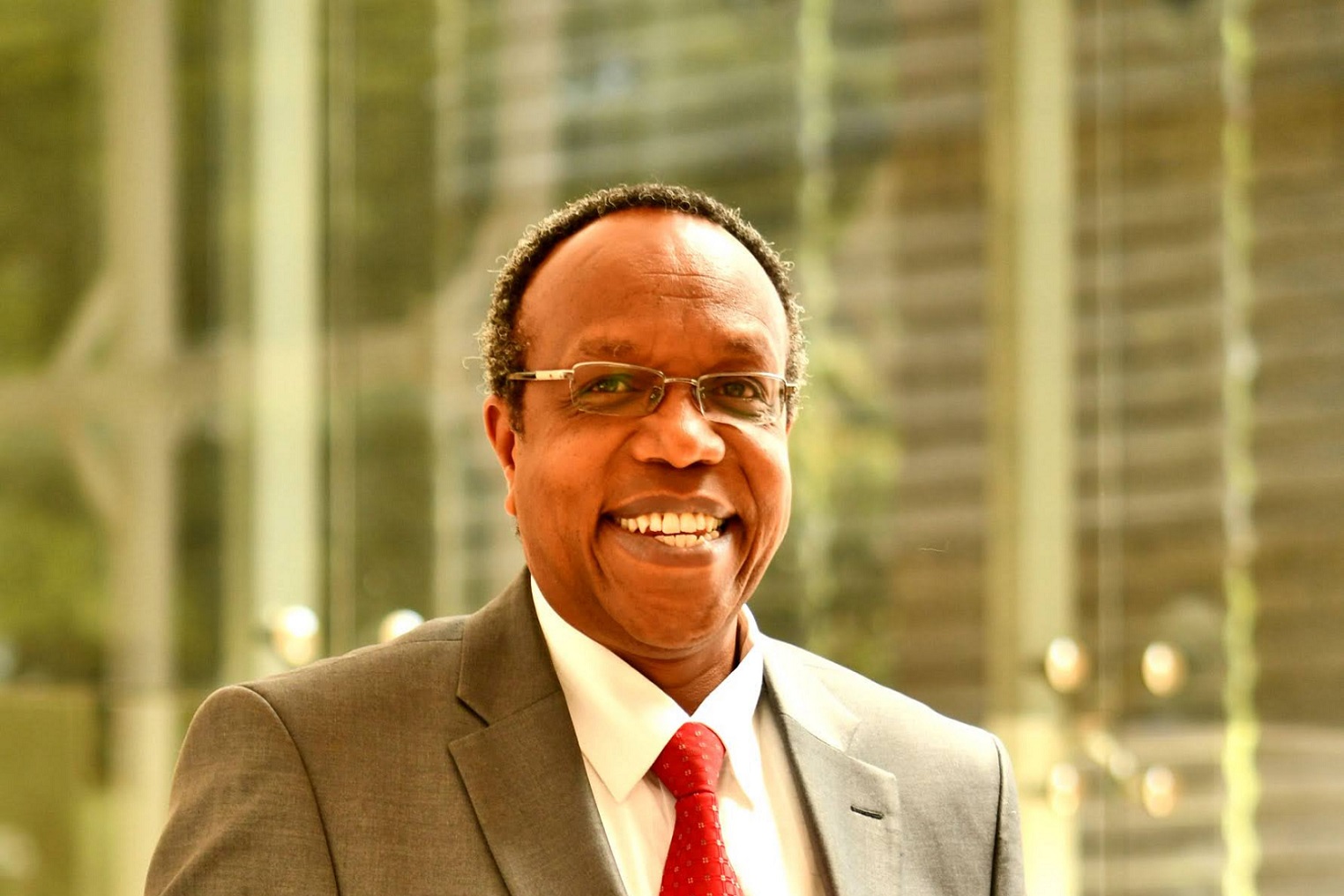
In your own words, how would you describe SBS to someone who hasn’t heard about it?
Strathmore Business School (SBS) is one of the schools in Strathmore University that has taken the responsibility of influencing the leadership of public and private sectors across the continent. Using a mix of locally relevant projects, case studies and well selected international collaborations and partnerships, it seeks to transform society through the development of international executive business management and leadership programs. Through cutting-edge international Executive Programmes on Business Management and Leadership, SBS has been offering an expanding array of innovative Executive Education as well as Graduate and Undergraduate programmes that are designed to equip leaders with the latest knowledge and tools to help them advance the frontiers of their specific fields and thrive in a complex, dynamic business environment.
SBS also endeavours to transform leadership in Africa in the 21st Century based on three pillars: Innovation; High Quality Research that impacts society; and supporting highly trained Faculty and staff to design and deliver new courses, engage in consultancies and pursue projects that meet market demands, serve society and advance knowledge generation. These pillars further enable the University to focus on its competitive strengths, prioritizing ethics, and integrity, pursuing interdisciplinarity, fostering collaboration and promoting good governance. http://sbs.strathmore.edu/
SBS aspires to be a premier, internationally accredited business school globally renowned for providing a quality educational experience and for championing the development and growth of ethical, responsible leadership, the development and growth of innovative, competitive, and sustainable institutions for Africa and the world. What are some of the real things on the ground that put SBS well on its way to achieve this mission?
As we aspire to develop a prosperous Africa based on inclusive growth and sustainable development, we must ensure that we have good governance and the right infrastructure and systems in place to deploy our resources effectively. By engaging and empowering our youth, men and women, entrepreneurs, and leaders to grow and transform our beautiful continent and preserve our common heritage, shared values and uphold our moral integrity, we can usher in a new dawn for the continent. The institution has strong commitment towards sustainable development. This has made Strathmore University the only academic institution in the Board of the Global Partnership on Sustainable Development and Data (GPSDD). Strathmore University has also set a landmark by becoming the only Business School in Africa to host Data for over 5 Countries in Africa (Kenya, Tanzania, Senegal, Ghana, and Sierra Leone) under the African Regional Data Cube (ARDC). The institution has also made a milestone in innovation through Alumni i.e., Shamba Sensor on real time information to farmers via SMS ad dashboard access to farmers; M-Farm- an organization that seeks to solve this by providing up-to-date market prices via an app or SMS directly to farmers, among others. It is a member of the Kenya Green University Network (KGUN), which is part of the broader Global Universities Partnerships on Environment and Sustainability (GUPES), with close to 800 partner universities around the world.
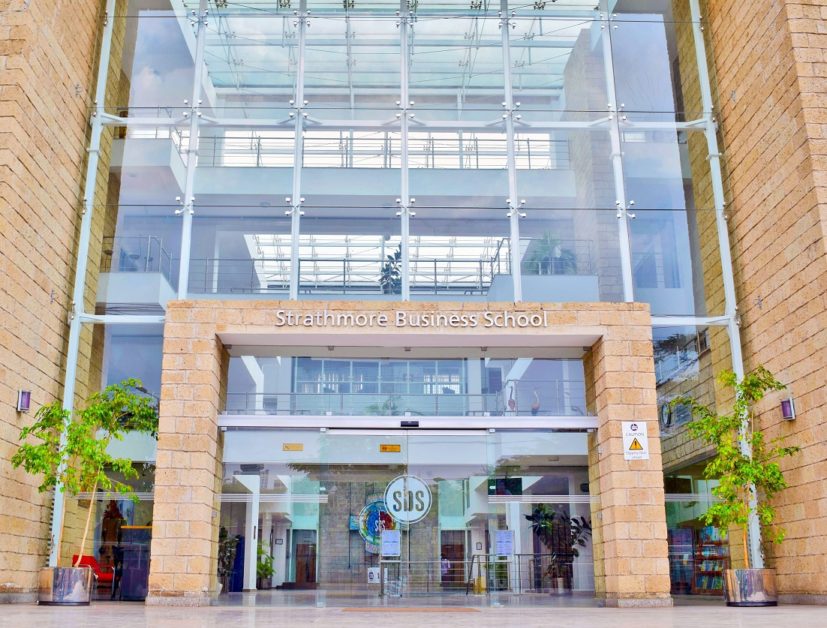
In line with achieving our mission, we are continuously refining and expanding our portfolio of Executive Education and Academic programmes to cater to emerging advancements in the practice of business management and leadership across different sectors that are also designed to suit the unique needs of these distinct customer segments. We offer Senior Management programmes, Women Leadership programmes, Entrepreneurship programmes, Public Policy programmes, Healthcare Management programmes, Agribusiness programmes, Executive Coaching, Fashion Value Chain programmes as well as custom programmes. Additionally, we are expanding our academic programmes to fill emerging skills gaps. We recently introduced the PhD in Healthcare Management program that is the first of its kind in Africa. It aims to transform healthcare delivery across the continent through research of best practices that can help healthcare organizations find solutions that are in line with global standards and are also locally relevant.
The COVID-19 pandemic has also created a huge disruption in global supply chains, and it has also impacted financial institutions across the world. There is a pressing need for skilled individuals in Africa to understand and address these challenges. SBS introduced two new undergraduate programmes, the bachelor’s in supply chain management and bachelor’s in financial services that will forge the next cohort of professionals who can grapple with complex challenges and devise solutions that will help the continent position itself as an important link in global supply chains and improve and expand financial services to enhance financial inclusion.
SBS strives to offer the best quality education through the use of globally tried and tested teaching methodology using case studies, access to expert local and international faculty, exposure to international experiences and partnering with local and global industry and research experts to ensure that our programmes are grounded in emerging academic theory, evolving realities in the business environment and are future oriented. Moreover, by partnering with industry, government and international universities and organizations, we offer an all-rounded global experience for the executives we train. These partnerships give the participants exposure to different perspectives from various local, regional, and international executives, universities, and industry players.
Additionally, research and innovation are key to our strategic pillars at Strathmore University. We provide facilities and support for innovative research activities. We have forged academic partnerships and links with other academic institutions, government, and private sector partners to be at the forefront of leadership and technological innovation and its specific application within the local context. Finally, the University has developed technology enhanced teaching, learning and research systems for the future of learning and hosted Summits and Conferences that have brought together thought leaders from academia, the private sector, and policy makers from the government and international governments to co-create initiatives to take Africa to the next level.
Would you say you are close to achieving this mission? How does SBS measure itself regarding success? What parameters does the institution use to gauge this success?
In line with our mission of service to society, SBS inspires people to break barriers to build a better future. This rallying cry has inspired the Strathmore community to work together to make a positive difference in the world. Our staff members and students work on various community service projects. We believe in providing opportunities and encouraging our students to become active members of their communities, which has a lasting, positive impact on society at large. Community service or volunteerism enables our students to acquire life skills and knowledge, as well as provide a service to those who need it most. At SBS, we define success based on the impact we have on people, organizations, and the society at large. This is etched in one of our core values; ‘service to society’.
Furthermore, we engage in fundraisers and projects to address the needs that arise in our society. During the height of the COVID-19 pandemic, Strathmore was able to set up a Fundraising Platform: “Believe in a Better Tomorrow.” SBS in partnership with the Strathmore University Foundation and Strathmore University set up a COVID-19 Relief fund to raise money to support financially challenged students and front-line Healthcare workers.
In Kenya, only 3% of the people who enrol in primary school education go on to enrol at University level. The Macheo project set up by Strathmore University is tailored specifically towards improving the retention rates of these underserved students in the education system.
Based in the Kibera slum, where statistics suggest there is almost no probability of a child proceeding through to tertiary level education; the Macheo Project seeks to directly combat those barriers which systematically cause students to drop out or underperform academically.
As our mission states, we work towards influencing the leadership of African organizations through the trainings we offer. As such, we can gauge our success based on the impact testimonials from the participants trained in the past, the various international awards our undergraduate and graduate students have won, the number of executives we have trained across the continent as well as the positive organizational changes reported from the organizations we have trained.
Furthermore, the research partnerships, research projects, community service projects, international collaborations, collaborations with private sectors and various governments that we have undertaken have made a huge impact in building an ecosystem of innovation and collaboration that has contributed to economic development and capacity building.
SBS has several global memberships. They include: the Association to Advance Collegiate Schools of Business (AACSB), the European Foundation for Management Development (EGMD), the Association of African Business Schools (AABS), the Global Business School Network (GBSN) and the Business School Alliance for Health Management (BAHM).
 Why April–June is Known as the Transfer Window in Uganda’s Banking Industry
SBS, through the Strathmore Institute of Public Policy and Governance (SIPPG) is a member of the Network of Schools of Public Policy, Affairs, and Administration (NASPAA). NASPAA is the global standard in public service education. The Commission on Accreditation of Healthcare Management Education (CAHME) serves the public by advancing the quality of healthcare management education globally. SBS is a global applicant for the CAHME accreditation.
The institution has created partnerships with top universities all over the world, such as; Harvard Business School, IESE Business School in Spain, New York University, the Massachusetts Institute of Technology (MIT), University of British Columbia, Sciences Po, SDA Bocconi, and the Macro Economics of Competitiveness in the Harvard, Kennedy School of Government. In Africa, our partners include; The University of Pretoria, University of Capetown, and Lagos Business School. Globally, SBS is a member of the Global Network of Advance Management founded and led by Yale University, School of Management, among others. Our courses are designed to give our students international exposure that helps to broaden their horizons. The research and business industry partnerships with the very top international education partners have helped the institution realize its vision.
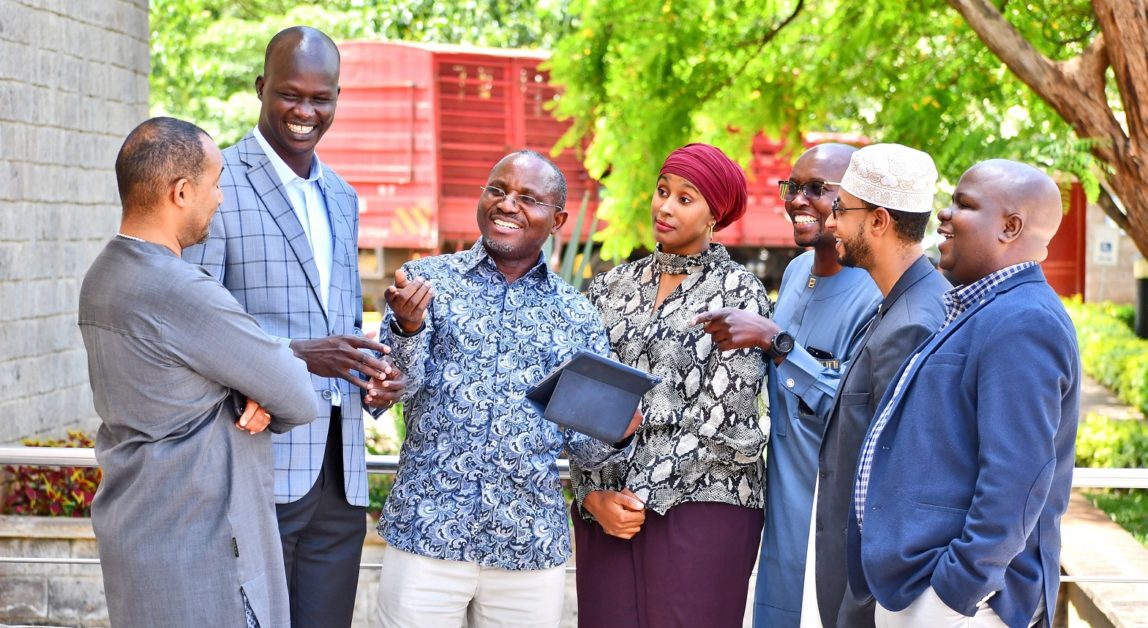
SBS is widely recognised as an entrepreneurial business school. The institution strives to think outside the box and champion innovation. We have been involved in working with various partners to strengthen the SME sector that employs 80 percent of Kenyans. In partnership with the government, private sectors and international organisations, the institution has hosted many SMEs conferences, including the first ever Presidential roundtable under the theme: “The Role of SMEs as the Engine of Economic Growth in Africa”. We have also held the Kenya Rice Value Chain Forum, an initiative that brought together the triple helix of Government, Industry and Academia in conjunction with civil society to assess the global competitiveness of a key staple food that is a mainstay of Kenya’s economy.
Africa generates significant raw materials. However, it is disturbing to note that we only participate in 3% of the trade that derives from this. SBS aims to improve agribusiness value chains by combining business, agriculture, county development and extension programs with research, mentoring, and teaching in the Agri-Food Innovation (AFI) Hub. The Food and Agriculture Organization of the United Nations (FAO) has partnered with SBS to conduct a study to characterize business models and processes of different private actors along the poultry value chain, to document the typical enterprise budgets for value chain actors, and to assess their profitability.
Digital transformation will also be key to Africa’s development. In September 2021, Strathmore University Business School, in collaboration with TalTech University of Estonia, hosted the first High-Level Think-Tank meeting on Sustainability for e-Governance in Kenya. The meeting was graced by the Estonian President, H.E. Mrs. Kersti Kaljulaid. TalTech University and Strathmore University Business School have started a collaboration to develop a program in e-governance in Kenya. The cooperation between Estonia and Kenya is set to usher in a new era of digital governance in the 21st century with higher quality, cost-effective government services and citizen-centric systems that will serve society at all levels and bridge the digital divide across Kenya.
Our healthcare system is still in dire straits in Kenya and 65 years after independence, we are still working towards establishing a proper healthcare system. In contribution to the implementation and realization of the Universal healthcare Coverage goals, the Institute of Healthcare Management has been working on the Malaria LMG training project awarded in September 2021 by Bill and Melinda Gates Foundation (BMGF). The project will develop and equip leaders and managers of National Malaria Control Programs (NMCP) to make effective use of data to inform decision making, to function effectively in their leadership and management roles, and attract resources and efficiently use those resources to sustainably and cost-effectively manage malaria (and other vector-borne diseases) programs within the African context.
Additionally, the Frontier Global healthcare systems project funded by USAID in October 2021 and the African Health Diagnostics Platform (AHDP) project seeks to improve access and quality of laboratory services for low-income populations in sub-Saharan Africa. The evaluation project is funded by the Bill and Melinda Gates Foundation (BMGF) and the European Investment Bank (EIB) and implemented in four countries: Kenya, Ghana, Ethiopia, and Rwanda.
The Strathmore Global Institute, which has established centers in Rwanda, Tanzania and Uganda, continues to grow steadily and offers a suite of cutting-edge Executive Education courses that can be customized to the unique needs of leaders in these countries to help them overcome their own unique challenges. I believe that education is the key to unlocking our potential as an economic powerhouse.
Africa has more than 1,000 Universities and several business schools, what makes SBS different from all these? Why should someone opt for it as an institution of choice?
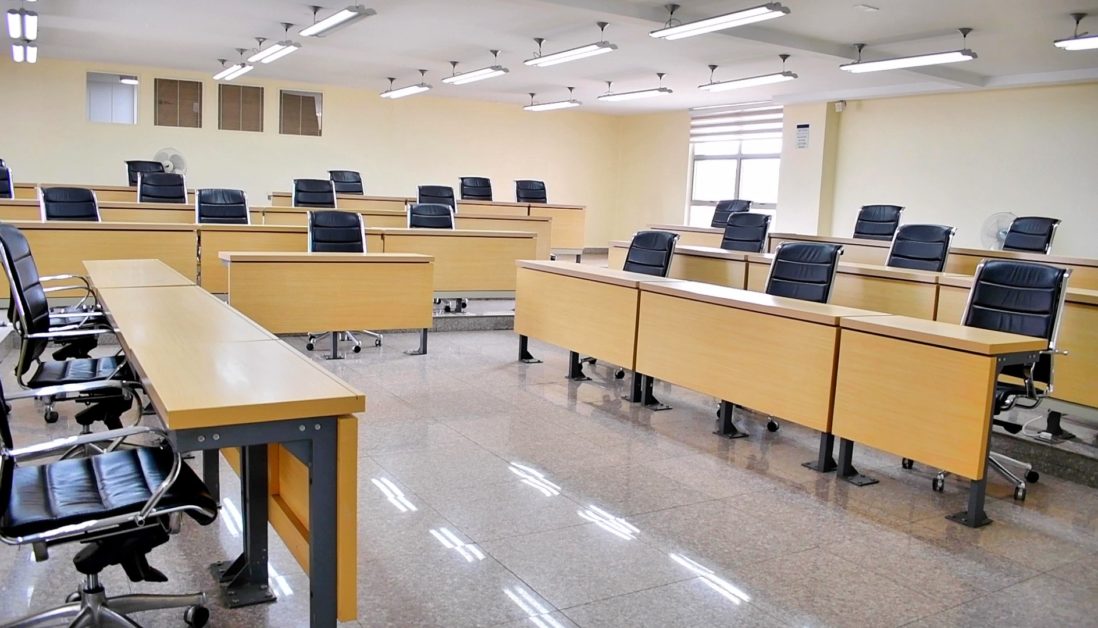
SBS is ranked as one of the top 3 Business Schools in Africa. Over the years, we have trained leaders and executives across the continent, creating a rich network of alumni that are shaping the future of our continent through application of knowledge, innovation, effective leadership and service to society. Our campus is located in a beautiful and serene environment conducive for learning. Moreover, our world class facilities provide a relaxed global business school ambience. At SBS, we are committed to the individual and the community, which is why we combine academic rigour with real life experiences and application.
This inspirational journey started more than 60 years ago when Strathmore was inspired by the challenge of transforming Africa. During that time, East Africa was a starting point. In the absence of an equitable all-inclusive higher education system reaching out to the Asian, African, and European communities, Strathmore set out to transform the Kenyan community. It started as an A-Level College in 1961 founded by a group of professionals and in 1966 the School of Accountancy opened to train accountants for Kenya, Uganda, and Tanzania. In 1991, the university introduced Information Technology Courses. The founding inspiration of Strathmore was St Josemaría, the founder of Opus Dei. He stirred the hearts of our predecessors in Strathmore to dream of the great impact Strathmore would have on work, family, and society in Africa. Strathmore University Business School was a child of that inspiration.
More than 15 years ago, we visualised a changing economic landscape; great leaders breaking barriers. We have graduated great leaders for our African institutions. We aspire to grow those who will break the barriers of poverty. Those leaders who will establish resilient and sustainable industries. Women leaders who will break the barricades to enter the fourth industrial revolution. In Strathmore, our business school is creating and developing powerful leaders who will transform the world. At a time when Executive Education was unheard of in East Africa, SBS set out on a mission to grow business communities across East Africa. We also aspire to grow our Small and Medium Enterprises so that they leap over the barriers of supply chain captivity and technological hurdles in order to serve society. Strathmore Business School has an effective research reservoir to engender a revolution in industry innovation. We enable management decisions based on data and noble human relationships through the science of management and helping to build successful, sustainable institutions both in the business world, the public sector and core features of societies’ healthcare systems.
SBS’s courses and programmes rotate around 9 thematic areas- why these areas specifically?
The thematic areas of focus of our Programmes are largely driven by our mission to influence the transformation of African leadership in the 21st Century. Further, the choice of these thematic areas is advised by market research.
Africa as a continent has developed Agenda 2063: The Africa We Want— a blueprint and master plan for transforming Africa into the global powerhouse of the future. What role do you see SBS playing in this grand plan- first for East Africa and then Africa in general?
We pride ourselves in offering the best quality Education for our students. We have a rich mix of students drawn from across the continent. In East Africa, we are operating in Uganda, Tanzania and Rwanda, offering executive education training courses to individuals and organizations. For Africa, we have trained individuals and organizations in South Africa, Mauritius, Uganda, Tanzania, Rwanda, South Sudan, Ethiopia, Eritrea, among others. To further expand our reach in the continent, we are currently working on launching the Strathmore Global institute (SGI). Our continental expansion will support the Agenda 2063 goal of having well educated citizens and skills revolution underpinned by science, technology, and innovation. Further, in line with our mission, we endeavour to continually influence the leadership of private and public sectors across the continent, which will support the Agenda 2063 goal of having transformative leadership in Africa.