Small-scale traders operating around Ugandan borders have suffered one of the biggest tumbles with coronavirus bringing their operations to near zero, official figures show.
The scale of the impact is shown in the figures compiled by the Bank of Uganda in March, April and May 2020. Between March and May 2020, cross border informal exports fell by 99.8 per cent the central bank shows. This is a massive dent given that people engaged in it are the vulnerable mostly women and poor communities around the border.
BOU says earnings from cross border trade dropped from USD 52 million (UGX193.5 billion) in March 2020 to just US$59,000 (UGX219 million) at the end of May 2020. The main reason for the fall is that while those in formal-trade are being tested for Coronavirus Disease and cleared to keep taking out or bringing in goods, the informal traders don’t have this luxury and are stranded at home
Isaac Shinyekwa, an international trade researcher at the Economic Policy Research Centre (EPRC), said cross border informal trade is important for the people that may not have the means to engage in formal trade across the border, which requires massive capital.
Shinyekwa said; “Unless countries open, it is not going to be possible for informal trade to go on.” Sugar trade suffered most, falling to zero exports in April and May. Other products usually exported are maize, beans, and bananas. Informal maize exports fell from US$2.4 million in March to just US$3,000 in May 2020. Beans fell to just US$ 2,000 in May from US$3.5 million earned in March 2020.
People who engage in cross border informal trade don’t pay customs taxes but it is one aspect of trade encouraged because it supports families of poor households. It is done mostly on foot and bicycles and in their bags in passenger service vehicles.
The United Nations Conference on Trade and Development (UNCTAD) reports that this is a female sensitive sector and “has broad poverty and development ramifications. It constitutes a vital source of employment and livelihood for the poor, in particular for low-income and low-skilled women, in border districts.”
The Uganda Bureau of Statistics (UBOS) reports that most of Uganda’s informal trade exports go to DR Congo followed by Kenya. South Sudan takes the third position. In 2018, UBOS says, informal exports accounted for USD 546.6 million (2 trillion shillings) of Uganda’s earnings, a 9 per cent increase from what the country earned in 2016.
Cross-Border Informal Exports Fall 99% – Official Figures indicate
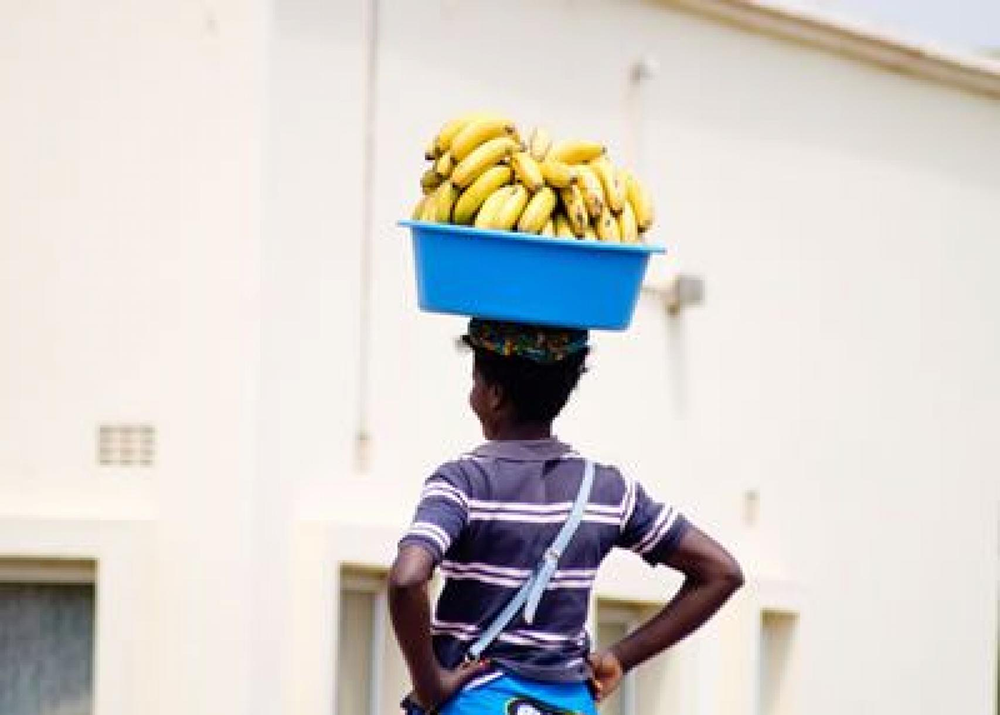
Women form a bigger population of those in cross-border informal trade. The trade for Uganda has fallen to near zero. Courtesy Photo