Not every entrepreneur faces the same barriers. While some struggle to access financing, others—like Ian Clarke—have found ways to navigate the system and unlock new opportunities.
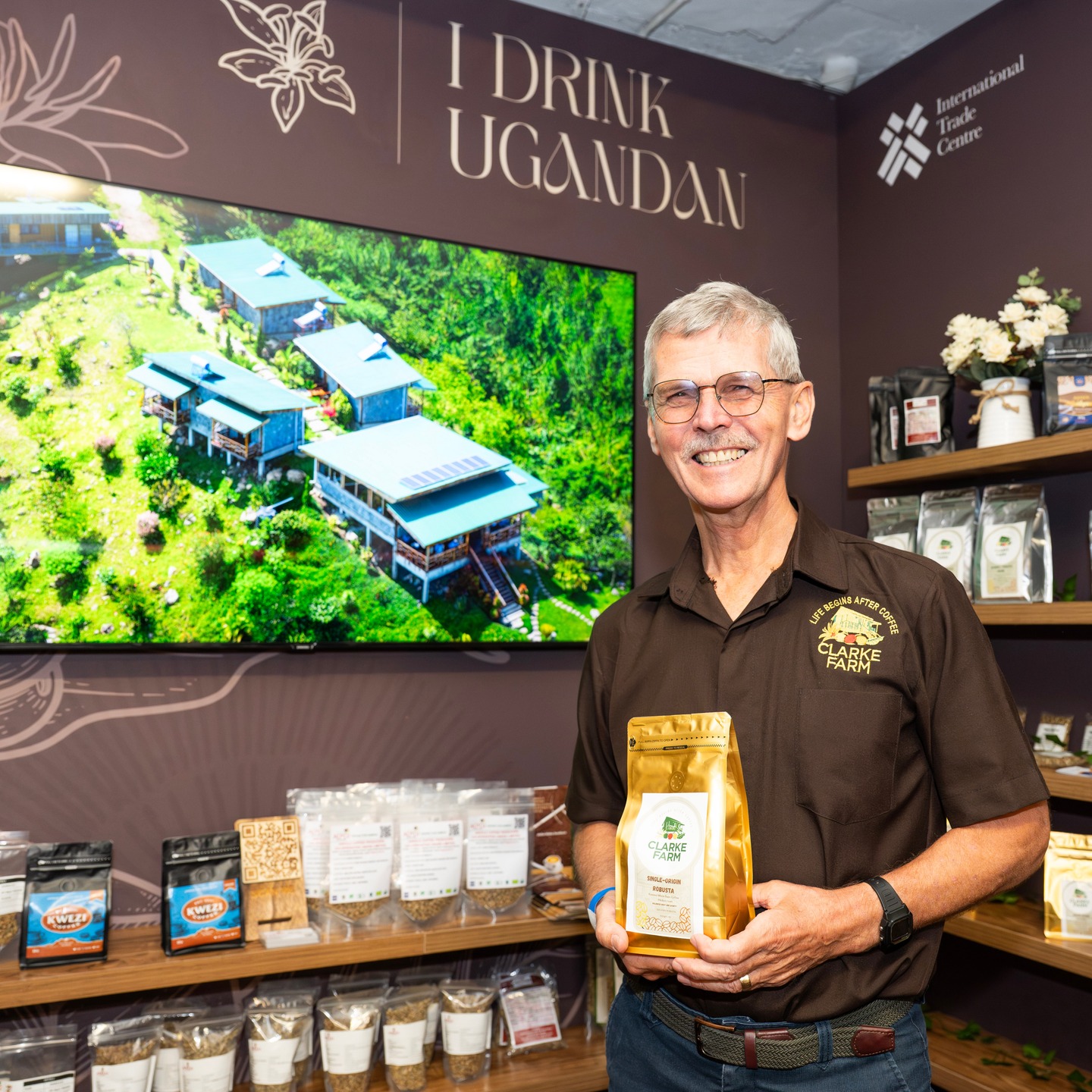
After stepping away from his healthcare empire, International Hospital Kampala, Clarke turned his sights to farming in western Uganda. With ample land, sufficient capital, and favourable weather, he seemed poised to thrive in his new venture.
But there was a catch—he lacked the technical knowledge required to run a profitable, large-scale farm. That’s when he turned to Pearl Capital Partners (PCP), the fund managers of the Yield Fund Uganda.
According to Edward Isingoma, Managing Partner at PCP, their focus is on investing in agri-SMEs that demonstrate strong growth potential and the capacity to uplift smallholder farmers.
“With a niche for coffee and dairy, one of the driving factors when investing in Uganda’s agriculture was that these sectors have the highest number of smallholder farmers,” he shares.
So when Clarke Farm came knocking, PCP saw an opportunity. Not only was the farm engaged in coffee production—a core sector for the fund—but it was also located in Kyenjojo District, a region with few established coffee players.
“Moreover, the smallholder farmers were struggling with support for market access and processing facilities. Dr Ian Clarke, the farm proprietor, was also very organised, making it easier to understand his business flow,” Mr Isingoma says.
Bridging the knowledge gap
What Clarke needed wasn’t land or capital, but expertise. That’s where PCP came in, bringing years of experience investing in agribusiness.
“We joined the farm as an investor with a six-year time frame. The investment was made in tranches, with the first tranche completed in 2019 and a strategic follow-on investment made in 2022. This amounted to $100,000, sourced from the European Union and the International Fund for Agricultural Development (IFAD),” explains Mr Isingoma.
Strategic conditions for investment
As with any equity investment, PCP’s support came with strategic conditions aimed at boosting viability and long-term sustainability.
The first requirement was hiring a Kenyan specialty coffee expert to manage the farm.
“While there are Ugandans who are good at coffee, specialty coffee is a different arena, and Kenyans have been at this game for a while and understand it more,” Mr Isingoma explains.
“Specialty coffee means that regardless of where you get this cup of coffee, you’ll automatically know its origin. By the time Clarke came to us, he had tried a few Ugandans, and it was not working.”
The second condition was a shift in focus. At the time, Clarke Farm was growing a mix of maize, beans, matooke, and coffee. PCP advised narrowing its operations to primarily coffee—alongside trees and a limited number of complementary crops.
 Entrepreneurship Is Not a Hustle: Ugandan Investment Executive Aaliyah Sekatawa on Building Disciplined Businesses in Africa
Another key requirement was to build an out-grower network.
“It was to let him know that the farm cannot grow as an island, hence the need for the smallholder farmers. That is because social impact is crucial,” says Mr Isingoma.
Reaping the fruits
With PCP’s tailored financing and hands-on business development support, Clarke Farm launched a series of transformative initiatives that boosted productivity, strengthened climate resilience, and improved market competitiveness.
These included:
- Expanding a 600-hectare nucleus coffee estate to serve as a scalable model for producing high-quality Robusta coffee;
- Installing a 7-tonne-per-hour wet mill, allowing the farm to process both its coffee and that of out-growers—raising overall quality to specialty-grade levels;
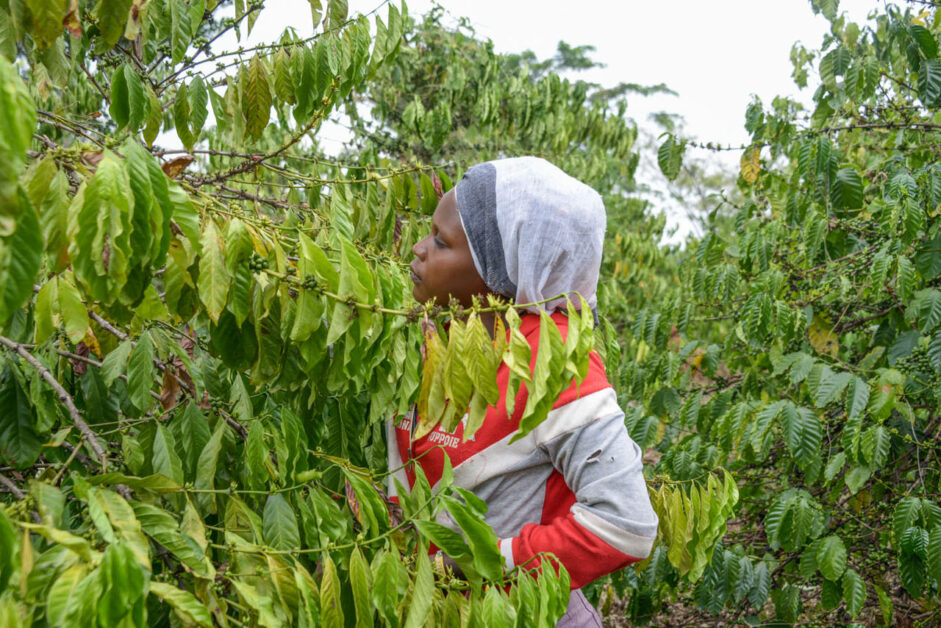
- Organising 2,003 Arabica smallholder farmers into a structured out-grower network supported by village agents and agronomy experts;
- Producing and distributing improved Robusta seedlings—high-yielding and disease-resistant varieties—to enhance productivity and farm sustainability for smallholders.

A successful exit
In venture capital, exits are expected—and planned for. Mr Isingoma likens them to a “divorce” that’s best handled smoothly.
“Our exit from Clarke Farm reflects PCP’s core belief: that pairing long-term capital with visionary entrepreneurs creates lasting value for both investors and communities,” says Wanjohi Ndagu, Co-Managing Partner at Pearl Capital Partners.
“This success reaffirms our conviction in African agribusiness as a powerful driver of inclusive growth.”
Dr Ian Clarke is equally upbeat about the partnership:
“Partnering with the Yield Fund has been key to unlocking our growth potential. Their patient capital and strategic guidance have allowed us to scale sustainably, while empowering smallholder farmers and raising the bar for Uganda’s coffee industry.”
Such was the success of the collaboration that even after PCP’s formal exit, Mr Isingoma has remained involved—as an independent board member—supporting Clarke Farm’s continued growth.
“We are very excited that the business continues to do well. It is also great that the global coffee prices are good at the moment, so we are hoping that the business will develop its full potential over the next few years,” he says.
With strong fundamentals, robust market demand, and a growing interest from new investors, Clarke Farm is poised for even greater success—proof that with the right support, Uganda’s agribusiness potential can be fully unlocked.