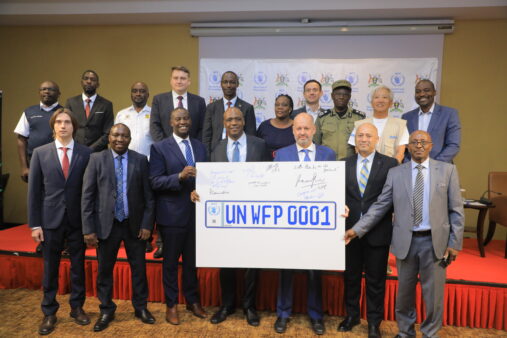
The 7th Annual Private Capital Conference held by EAVCA in 2023.

The EAVCA (East Africa Venture Capital Association) is the primary industry association for East Africa’s private equity and venture capital ecosystem. It was founded in 2013 to represent the private equity industry in East Africa, provide a voice for industry players, and promote private capital investment in the region.

Since it was founded in 2013, it has tracked private capital investments in East Africa. After celebrating a decade in operation in 2023, EAVCA released a report highlighting the impact of private capital in the region. 

Over the last decade, private capital has become more available for entrepreneurs partly through awareness and education, but also due to the presence of regional and international firms willing to invest in East Africa. 

From 2013 to 2023, there was a total of 550 Private equity deals and over 1000 VC deals that were tracked. PE deals were significantly higher ticket investments, raising a total amount of $5.1bn while the 1000 venture capital deals were worth $5.5bn. 

Over the decade, funding peaked in 2022 with 110 PE deals worth $1.2bn recorded due to favourable economic factors. But these quickly dropped by almost half in 2023 to 58 PE deals. Kenya was by far the region’s most attractive destination of capital, accounting for 60% of the deals followed by Uganda (17%) and DRC at 9%. 

The Democratic Republic of Congo (DRC) stands out as a promising investment destination, driven by strong economic growth and favourable policies. Real GDP growth reached an impressive 7.8% in 2023 and is projected to stabilize at around 6% between 2024 and 2026. 

This growth is largely fueled by the exceptional performance of the mining sector, which grew by 15.4% in 2023 and contributed approximately 70% to overall growth. The DRC government’s investor-friendly policies, such as customs and tax breaks, are expected to sustain this investment momentum. With vast untapped mineral resources, the DRC’s mining sector remains a magnet for investors seeking opportunities in the region.

In contrast, Ethiopia has experienced a significant decline in investments over the past decade, plummeting from $38 million in 2013 to less than $1 million in 2023. This sharp drop can be attributed to a combination of political, economic, and social instability, including the Tigray war from 2020 to 2022. 

However, with recent improvements in social and economic conditions, economic growth is projected to gradually increase from 5.3% in 2022 to 6.2% in 2024. As Ethiopia works towards the operationalization of the Ethiopian Securities Exchange and increases public investment, the country is poised to attract additional private capital, signalling a potential turnaround in its investment landscape.

Kenya has consistently maintained strong and relatively stable GDP growth over the past decade, making it a preferred investment destination. The country’s favourable economic, political, and regulatory environment, coupled with its diverse and innovative private sector, has been instrumental in attracting private capital. 

With a positive economic growth outlook, projected at 5.2% by the World Bank, Kenya’s ability to manage its existing debt situation, address foreign exchange volatility, and promote climate resilience, particularly within the agriculture sector, will be crucial in sustaining its appeal to investors. 

Rwanda and Tanzania have also experienced moderate economic growth, but limited market access, regulatory hurdles, and a shortage of skilled labour have hindered their investment landscapes. However, Rwanda’s focus on digital economy innovation and Tanzania’s recent investor-friendly policies, such as the Investment Act launched in 2023, are expected to enhance their attractiveness for private capital. 

Uganda, on the other hand, has witnessed a significant decline in investments due to political tensions, but the country’s oil and gas industry holds promise for substantial capital inflows once the resources are validated.

Over the past decade, East Africa has witnessed a relatively low number of private equity exits, totalling 51, compared to the significant investments being made in the region. This is likely due to factors such as undisclosed exits, limited IPO activity on nascent financial exchanges, challenges in valuing unique and innovative business models, and limitations on the number of investors with access to the required funding or strategic alignment.

The top exit routes in the region have been sales to trade players (>50%), secondary buyouts by other private equity firms or financial institutions (~27%), and management buyouts or private sales (~9%). The financial sector has recorded the highest number of exits, with trade players facilitating around 62% of these and secondary buyers accounting for 23%. 

As past private equity investments mature and fund lives come to an end, exit activity is expected to increase, with trade players and secondary buyers continuing to play a key role, and potential improvements in financial market activity potentially boosting IPO and capital market prominence as an exit route. 

Fundraising activity in Africa, including East Africa, has fluctuated significantly, with 2015 and 2021 being the largest fundraising cycles, raising over $4 billion across the continent. However, surveys indicate a decrease in fundraising momentum between 2023 and 2024 due to the present economic conditions, particularly foreign exchange fluctuations and national debt levels within East African economies.

Tagged:
About the Author

Jonathan is the Senior Tech, Startups and Venture Capital Reporter at CEO East Africa.

beylikdüzü escort