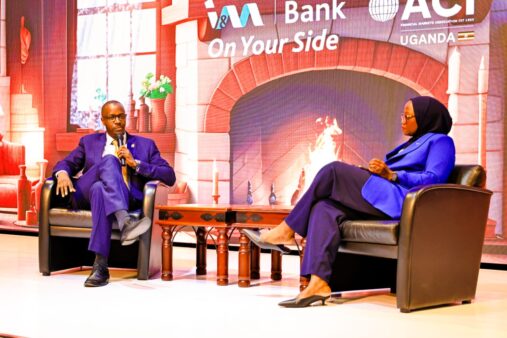
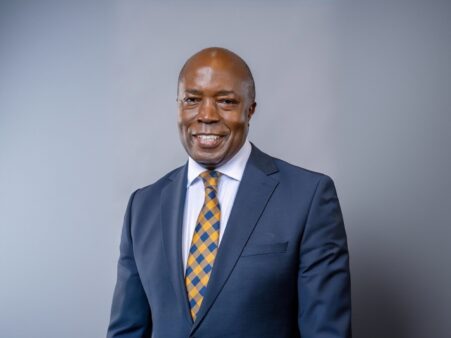
In his first 100 days at the helm of marketing the Uganda Tourism Board, Francis Nyende has injected new energy, strategy, and partnerships into the “Explore Uganda” brand. With landmark campaigns like the Rhino Naming initiative, expanded collaborations with private sector giants such as MTN, Nile Breweries, and Uganda Breweries, and renewed focus on digital innovation, Nyende is redefining how Uganda sells its story to the world. His vision: to grow arrivals to 1.9 million by 2026, increase visitor spend to USD 1,500, and transform Uganda into the premier destination in Africa — a place that feels like home, only wilder, warmer, and more alive.
Looking back at your first 100 days in office, what would you say are the key milestones and achievements you are most proud of?
It’s truly exciting to share my first 100 days at Uganda Tourism Board (UTB). The experience has been both stimulating and enriching, quite different from my previous role, but filled with valuable lessons and opportunities to grow within the tourism industry.
From the onset, one of our biggest ambitions was to create a strong impact, particularly in the domestic market. We wanted Ugandans to understand who UTB is, its purpose, its mandate, and its role in promoting tourism. Alongside our CEO, we have crafted a clear vision and direction for the organisation, and I am proud to say that the response from the public has been overwhelmingly positive.
We have also experienced tremendous goodwill toward the UTB brand, which has enabled us to create key collaborations across both public and private sectors. A highlight has been our partnership with the Uganda Wildlife Authority, a natural partnership given their role in asset management and ours in marketing. Together, we executed the highly successful Rhino Naming Campaign, which supported the conservation of the endangered rhino species and their relocation to larger habitats.
On the private sector side, we have built meaningful relationships with key partners such as Nile Breweries, Uganda Breweries, and MTN Uganda. These partnerships have translated into impactful marketing activations and promotional initiatives. We have also worked closely with the Ministry of Tourism to elevate the visibility of Uganda’s unique offerings.
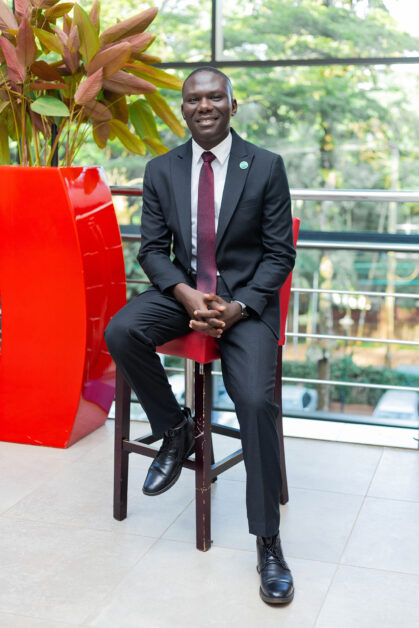
Among our major achievements is the Rwenzori Marathon, which this year truly felt like an international event, attracting global attention and contributing to the local economy of Kasese. It’s been a remarkable start, and tourism is now a more prominent national conversation, surrounded by investment, infrastructure, and community engagement.
What surprised you the most about the state of Uganda’s tourism sector when you assumed office?
When I assumed office, I was struck by just how breathtaking Uganda truly is. The more I explored, the more I realised how much the world, and even many Ugandans, are yet to discover about our country’s beauty and diversity. Visitors are often astonished, asking, “How come no one told me about this?” That question underlines our mission to make Uganda’s beauty known globally. From our landscapes and wildlife to our culture and people, every corner of this country holds something special.
Uganda’s richness lies not just in its nature but in its people, their warmth, hospitality, and vibrant culture. With over 55 tribes, each offering unique languages, cuisines, and traditions, there’s a wealth of stories waiting to be shared with the world.
I have also come to appreciate how broad the tourism spectrum is, right from adventure and nature to cultural, sports, and faith-based tourism. Uganda is truly a complete destination.
In these early days, what has been your biggest learning curve in transitioning into this role?
Moving from the private sector to a public institution has been a fascinating learning experience. The biggest adjustment has been adapting to the different systems and pace of work. In the private sector, decisions are often swift and dynamic. In government, processes are more structured, requiring documentation, protocol, and accountability, especially when dealing with public funds.
While it can seem slower, I have come to respect the system’s integrity and the purpose behind its rigour. It ensures transparency, traceability, and proper stewardship of national resources. For a marketing agency, though, balancing agility with due process has been one of the key learning curves.
From your assessment so far, what strengths do you believe Uganda can leverage to position itself as a competitive tourism destination both regionally and globally?
Uganda’s natural and cultural wealth remains our biggest strength. As Winston Churchill famously described it, the ‘’Pearl of Africa, our country is unmatched in diversity. From flora and fauna to food and people, Uganda is an expression of the best of Africa. We are home to half of the world’s mountain gorilla population, along with an incredible range of primate species. Our equatorial climate offers year-round pleasant weather, and our people’s warmth and hospitality set us apart. Uganda’s cuisine, culture, and geography make it a representation of the entire continent, a place where one can experience Africa in one destination.
We also boast the source of the River Nile, Lake Victoria (the world’s largest freshwater lake), and the snowcapped Rwenzori Mountains, all unique global attractions. Add to that our thriving sports culture, diverse ecosystems, and emerging tourism niches, and Uganda truly stands out as a gem waiting to be fully explored.
What are the critical challenges you have identified in marketing Uganda’s tourism, particularly in terms of visibility, perception, and product readiness?
Upon joining the board, we have come to acknowledge that we don’t have a lot of awareness or visibility for the Explore Uganda brand. And we know that changing that requires a huge investment. I am glad that for this year, the government has been able to extend a substantial increase in resources compared to last year.
Now, the real task ahead is to make sure we are in the eyes and ears of our potential customers. Yes, we do have more resources now, but I believe we will still need additional support to ensure we remain visible, consistent, and top of mind among our potential visitors.
When it comes to perception, like many other destinations, Uganda faces a mix of challenges. There are lingering perceptions shaped by issues such as Ebola outbreaks or the travel advisory in the Queen Elizabeth region, which unfortunately cast a dark cloud over the destination.
Many high-value tourists are very conscious about safety. They read a lot, and often the negative stories travel faster than the good ones, faster than the beauty, peace, and safety we actually enjoy as a country. Uganda remains peaceful and secure, but that rarely makes the headlines. The media tends to focus on the worst stories, so we definitely have some work to do around perception.
That said, we’re not a perfect country, and no country is. Look at the most developed countries, with America, for instance, having shootings almost every day, yet no one says, “Don’t go to America.” But if we have even one incident here, it results in an advisory that stays on for months.
Of course, those advisories are issued with the right intentions to protect citizens, but they tend to linger, leaving a negative perception about our destination. Then, in terms of product readiness, for us, this remains an ongoing journey. What I have come to learn about tourism is that, like any other business, it’s always evolving. There are always new opportunities to develop and improve products. We also understand that there’s still a lot of work to be done to enhance what we already have.
We are collaborating with many partners through our product development team to establish and open up new tourism circuits. Recently, we launched the Rwenzori Tourism Circuit, and several others are being developed in the eastern region. This approach helps many of our people, especially in the private sector, to sell specific propositions to tourists. So, for us, that’s not really a challenge but an opportunity. It allows us to keep unpacking the beauty we have and turn it into attractive, marketable experiences for tourists.
Where do you see the biggest opportunities, within Uganda, the East African region, across Africa, and in international markets?
I think if we’re to talk about real growth in incremental GDP, we see a lot of opportunities coming from international markets. When you look at countries like the United States of America, the United Kingdom, China, and India, these are some of the biggest sources of outbound tourists in the world. But when you consider how many of them visit a country like ours, the numbers are still extremely small.
We believe these are the kinds of travellers who would be most interested in the tourism propositions that Uganda offers. If you have lived in places like America or Dubai, and you have the means to travel, you probably do not want to visit just another city or another concrete jungle. You are more likely to desire something new and natural. You want to see the kinds of things you have only ever read about.
For example, gorilla trekking is one of the most premium tourism experiences we have as a country. You can’t find that anywhere else. Yet many of these tourists are seeking such experiences elsewhere around the world, when in fact, many of them can be found right here in East Africa, and more specifically, in Uganda. That’s why we see immense potential for growth in these markets, especially if we can create the right awareness. These international tourists also tend to have higher purchasing power. When they come here, they usually stay for about ten days and spend an average of over $1,500 during their stay. That brings significant value to our economy, particularly from travellers who have the disposable income to spend.
So that’s where we see our biggest opportunity. However, this doesn’t mean we disregard the rest of Africa or even our regional markets. What we have seen from past events like the COVID-19 pandemic is that during global shocks, you are left relying on regional and domestic tourists. They might fall lower in terms of spending power, but they remain extremely important for sustainability, especially in times of global disruption like COVID-19.
What new ideas and marketing strategies are you bringing on board to address the current gaps in Uganda’s tourism promotion?
One of the most important strategies we are trying to put in place is increasing our product diversification. For a long time, our market has been known for gorilla trekking. While that remains our most premium proposition, we now need to expand and introduce many other experiences. To maximise opportunities, we must expand our portfolio, for instance, by investing more in faith-based tourism. Uganda is home to the Ugandan Martyrs, a truly unique product in the world, yet we have not told that story as strongly as we should. We also need to build our sports tourism by growing our marathons, enhancing our golf propositions, hosting more sporting events, and positioning ourselves as a vibrant year-round destination.
Another key area is storytelling. Many people may have heard about Uganda or Africa in general, but few truly know Uganda’s story. How do we showcase our beauty through our own narratives? Many countries have mastered this art better than we have, and it’s something we intend to prioritise, especially at the international level, to bring more attention to our country.
We also want to focus on increasing value, not just volume. That doesn’t mean we are turning away from numbers; we still value volume, but we want each incremental visitor to bring greater value. We aim to attract people willing to pay more, stay longer, and contribute more significantly to our GDP growth.
Another important pillar is MICE (Meetings, Incentives, Conferences, and Exhibitions. While we are still catching up in this space, we believe Uganda can become a credible destination for international conferences. We have already hosted several high-profile meetings, with NAM being the most recent example, and even Uganda Development Bank hosted a major event this year. We have good facilities, and we are looking forward to more investments that will strengthen this sector further. As we pursue all these strategies, we must ensure our decisions are well-informed. That means relying heavily on data and putting it at the forefront of our planning. We are investing in digital transformation to access accurate, timely information that guides our actions.
And finally, we must remain committed to sustainability. This journey has already begun. Many of our operators are embracing it, but we need the entire tourism ecosystem to align, serving community development, protecting the environment, and embedding sustainability into everything we do.
UTB recently launched a new marketing strategy. What specific problems or inefficiencies does this strategy aim to solve across different market segments, like domestic, regional, and international?
UTB recently launched a new marketing strategy aimed at addressing several challenges and inefficiencies across the domestic, regional, and international market segments. At the core, the strategy focuses on increasing the overall value of Uganda’s tourism sector by encouraging visitors to spend more time and money in the country.
For domestic travellers, the goal is twofold: to better educate them about Uganda’s attractions and to inspire them to travel more frequently within the country, exploring the various tourism propositions available.
At the regional and international levels, the emphasis is on storytelling, sharing Uganda’s narrative with the world in a way that reshapes perceptions. The message is clear: Uganda is safe, open, and full of unique beauty and experiences that appeal to all kinds of travellers.
Can you break down the top three strategic objectives for the next 1–2 years, mainly around key metrics such as tourist arrivals, average spend, length of stay, and repeat visitation? Do you have baseline numbers and 2025–2026 targets for these?
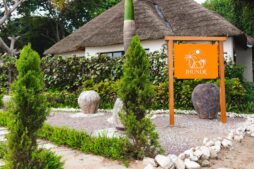 IHUNDE RESORT: A Lakeside Sanctuary on Bulago Island, Lake Victoria
That’s a great question — because numbers only tell half the story; the real story is the experience behind those numbers. At the Uganda Tourism Board, our focus for the next two years is to grow arrivals, deepen experiences, and make every visitor fall so deeply in love with Uganda that they can’t wait to return.
First, we will grow International and Regional Arrivals. We’re targeting to increase inbound arrivals from 1.37 million in 2024 to 1.9 million by 2026. While our priority markets remain the U.S., the U.K., and Germany and the like, we’re also interested in exciting new frontiers like China, and the Middle East. Through our Explore Uganda campaign, we will be telling a refreshed story of Uganda, one that blends breathtaking nature, adventure, and authenticity across global trade shows, roadshows, and digital channels.
Secondly, we will increase Visitor Spend and Length of Stay. Beyond just getting visitors here, we want them to stay longer and experience more. Our target is to grow average spend per visitor from USD 1,052 to USD 1,500 and length of stay from 7 to 9 nights by 2026. We’re promoting the full Uganda story, from gorilla trekking and the Nile to cultural heritage, faith trails, adventure sports like the Rwenzori Marathon, and festivals like Nyegenyege. Each of these experiences creates new reasons for visitors to extend their stay and spend more within communities.
Our third strategy is to Strengthen Brand Love and Repeat Visitation. We’re building emotional loyalty to Uganda. Today, about 15% of visitors return, our goal is to lift that to about 25% through deeper storytelling, consistent digital engagement, and a focus on quality experiences. We want to improve visitor feedback mechanisms and using data to refine how we market and deliver experiences that inspire travellers to come back and bring others along.

Ultimately, our ambition is simple: for Uganda to move from being a once-in-a-lifetime destination to a destination people keep coming back to because it feels like home, only wilder, warmer, and more alive.
Innovation is key in marketing. Are there any digital, experiential, or product innovations you are spearheading to make Uganda stand out as a must-visit destination?
A lot of our innovation, I believe, will start with the experiential opportunities we have, and it’s all still a work in progress. We intend to leverage technology and AI to enhance visitor experiences. We want to make sure that you are well-guided right from our website. Imagine having an AI assistant that helps you plan and book the perfect itinerary; that’s exactly what we are building. We are also developing marketplaces that will enable our operators to curate and showcase beautiful itineraries, which can then be sold to potential tourists.
In our marketing, we are bringing experiences to life through all five senses. You will see this reflected in our virtual reality experiences at expos, where visitors can embark on immersive journeys through our parks, from marathons to nature adventures, all within the expo environment.
But beyond that, a big part of our innovation will focus on curating the products we already have. How do we bring together our culture, our food, and our traditions into one wholesome experience? That’s where much of our energy will go into driving product development in a big way. And wherever possible, we will continue to integrate technology to elevate these experiences.
Tourism thrives on partnerships. Are there any new collaborations in the pipeline, whether with airlines, regional tourism boards, private sector players, or global travel platforms, that will accelerate Uganda’s visibility?
We are very intentional about collaboration for both private and public. We are engaging with telcos, banks, breweries, and really anyone willing to join us on this journey. At a regional level, we also collaborate a lot with our peers. For instance, when we attended the Magical Kenya Tourism Expo, we had an amazing meeting with the Kenya Tourism Board. That kind of exchange is so valuable; we share ideas, information, and best practices. But most importantly, tourists visit our regions for a wholesome experience, and often that involves cross-border travel and exploration. That’s why collaboration is key. Imagine if everyone who came to Nairobi also had the opportunity, whether intentionally or not, to visit Uganda. That would be a huge bonus for us.
We are also working closely with airlines. We have had serious discussions with Uganda Airlines, and we are engaging with several regional and international carriers too, including Brussels Airlines, Air Arabia, and Emirates. These are important partners for us as we move forward together.
On the international front, we are building commercial partnerships with major platforms like CNN to run our advertisements, given their incredible global reach. We are also working with online platforms like Expedia to ensure that our awareness campaigns lead to real, transactional conversions.
Partnership with MTN: As for MTN, we are starting with a few joint marketing programs. We have also had extensive discussions around tourism connectivity, including the development of a tourism SIM card. But beyond that, MTN will help provide broader connectivity in all the areas where our key attractions are located. This isn’t our first collaboration with them. They were part of the Rhino Naming campaign this year, which ties into their strong conservation and sustainability focus. And we have more campaigns lined up together, especially as we prepare for AFCON, where we need major players like MTN to ensure meaningful execution for our audiences.
How are you working with local stakeholders such as tour operators, hoteliers, and cultural institutions to ensure the benefits of UTB’s marketing initiatives trickle down into the wider sector?
When it comes to local stakeholders such as tour operators, hoteliers, and cultural institutions, our focus is on ensuring that the benefits of our marketing initiatives flow through to the wider private sector. We are working closely with associations that represent these players, for example, the Uganda Hotel Owners Association (UHOA). Together, we collaborate on various campaigns, including one aimed at encouraging domestic travellers to stay in hotels across the country during low seasons. We are also bringing tour operators along for government-funded expos like the one in Nairobi, where many were excited about the exposure and opportunities.
We cannot sell Uganda’s story without the custodians of our culture. We have had great partnerships between the Uganda Tourism Board and cultural organisations like the Tooro Kingdom and cultural groups in Karamoja, and we will continue to expand on those collaborations. At every step, we are intentional about ensuring that the value we create trickles back to our partners. Whether it’s at expos where we bring along operators to speak for the country and showcase their curated experiences or through joint campaigns, collaboration remains at the heart of everything we do.
Uganda’s tourism sector has often been described as underperforming compared to its potential. In your view, what explains this underperformance, and how does the new strategy specifically address these shortcomings?
Like I mentioned earlier, one of our biggest challenges is awareness. How many people really get to know about Uganda? That’s one of the key things we want to focus on: becoming more visible, more heard of, and better known. With the investments we are making, we are ensuring that we put enough resources behind awareness campaigns and storytelling, sharing our narratives in ways that actually resonate and stick with our audiences. That’s one of the main reasons Uganda is not as well-known as it should be.
We are also working on diversifying our products beyond the gorillas. We want to develop more unique propositions that showcase the full richness of our country. Of course, this is a journey. There’s a lot we need to improve, especially infrastructure. We need better tourism roads, and it is encouraging to see that this has become a more active topic, with the government now being intentional about it.
We also need more aerodromes and aircraft to ensure seamless connectivity. High-end travellers, in particular, prefer to spend less time on the road and more time enjoying the destination. These improvements are key to making us more competitive.
At the same time, we still face challenges like travel advisories that sometimes portray Uganda as unsafe, as if visitors are travelling at their own risk. Many high-value travellers are very sensitive to such perceptions, and that casts a dark cloud over our destination.
In the short term, we are doing what we can. We are engaging with the right stakeholders to address and hopefully lift these negative advisories. We are expanding our offerings and tapping into opportunities in MICE (Meetings, Incentives, Conferences, and Exhibitions) to attract more revenue from business tourism.
Looking 5–10 years ahead, what is your vision for Uganda’s tourism industry? Where do you see the country positioned in Africa and globally as a destination?
In the long term, we want to see Uganda become the premier destination in Africa. We already have the numbers to support that vision, and being the premier destination should also translate into a strong contribution to our GDP.
Our goal is clear: we aim for tourism to contribute 10% of Uganda’s GDP by 2040. It’s an ambitious target, but one we believe is achievable. With the right investments and effective execution of strategic plans, I am confident that Uganda can truly become the number one premier destination in Africa.
If you had to describe our national tourism brand identity, “Explore Uganda —The Pearl of Africa”, in three words or phrases that you hope to see resonate in international markets, what would those be?
The first one would be Untamed Beauty. For many reasons, Uganda remains one of the few places in Africa, and indeed the world, where nature is still raw and untouched. We are still set up in a way that feels authentic, almost as God created it. That’s why they say we are gifted by nature. This authenticity is reflected not only in our landscapes but also in our culture and our people. Everything still feels genuine and unspoiled. Our fresh waters remain clean and pure, the source of the Nile is still intact, and the misty forests of Bwindi still breathe mystery.
Uganda truly is untapped and untamed in its beauty.
Secondly, I would say we are the Heart of Adventure. Uganda offers some of the most thrilling experiences you cannot find anywhere. From gorilla trekking deep in our forests to white-water rafting on the Nile, the only such adventure on this great river, to hiking the Rwenzori Mountains, we carry the true spirit of exploration. Here, adventure isn’t just an activity, but a way of life.
Lastly, we are The Warmth of Africa. This comes from our people. Uganda has often been described as one of the most hospitable countries in the world. Our friendliness is genuine. When you meet people on the street, they are happy to show you around and share their culture. It’s in our smiles, our rhythm of life, and the way we welcome strangers as friends. This warmth, so natural and sincere, is exactly what many travellers seek when they visit countries like ours.
Beyond marketing, what systemic changes do you believe need to happen within the tourism ecosystem to unlock Uganda’s true potential?
First of all, we need to have a lot more collaboration across different sectors. We really need to align closely with infrastructure development because it’s what unlocks and opens up access to so many places, the very places people need to go. We also need to continue funding tourism consistently. We can only build on the progress we have already made by maintaining steady investment in the sector. This consistency will open up more opportunities for awareness and for showcasing our country to the world. That’s something very important. And, of course, we need to promote tourism together. It is not just one person’s job. Whatever you do, whichever sector you’re in, you’re probably contributing to tourism in one way or another. We are all part of it. I believe those are some of the key things that will help us unlock our full potential.
Also, Uganda has suffered a reputational issue, especially with the disease outbreaks like Ebola and MPox, among others, and unhealthy political activities that have partly destabilised the tourism sector’s performance. What new strategies or plans do you have for future uncertainties to ensure we stay on course?
For starters, I believe every country faces similar concerns. When outbreaks happen, they naturally affect reputation. Therefore, communication must be handled properly. You cannot hide a health issue from the public. What really matters is reassuring the world that each case is being managed. Specifically, regarding Ebola, Uganda remains one of the best countries at handling it. Every time there’s been an outbreak, we have managed it successfully and built confidence in our response.
When it comes to issues like unrest or security, Uganda remains one of the most secure countries, and we consistently receive that acknowledgement. Even when there are occasional breaches, we must communicate openly, first by acknowledging the challenges and second, by showing that we have concrete solutions in place. These situations happen everywhere.
Take the United States, for instance; there are shootings almost every day, yet it does not cast a permanent shadow over the country. Or look at China, when COVID-19 broke out, it didn’t stop the country from continuing to attract tourists. What we need to do is communicate positively and back that up with real action, to assure the world that we are managing our issues responsibly and effectively.
What personal leadership principles guide your approach to your role as UTB Marketing Manager?
I love coaching my team. We have some incredibly brilliant people at UTB, people I am actually learning from myself. But what matters most to me is giving them the freedom to succeed and the belief that they can achieve whatever they set their eyes on. At the same time, I see my role as a coach, someone who guides them through their journey, helping them navigate challenges and grow. When my team thrives, I thrive too. That’s why I make it a priority to give them the platform and the support they need to do just that.
Finally, what message do you have for Ugandans, both as potential domestic tourists and as ambassadors of the country’s image, both locally and abroad?
What I want to tell my fellow Ugandans is that we need to take a moment to pause, reflect, and truly appreciate how beautiful and gifted our country is. Let’s start treating Uganda with the same importance and care in the way we communicate, tell our stories, and represent our nation. If each of us did that, we would have a real, positive impact on our country’s image. And it doesn’t have to come from a distant or forced place. We are naturally hospitable, vibrant, and exciting people. We have great stories, a stunning landscape, delicious food, and some of the rarest natural treasures the world has to offer. We should be proud of what we have, and we should tell our stories right here, at home.