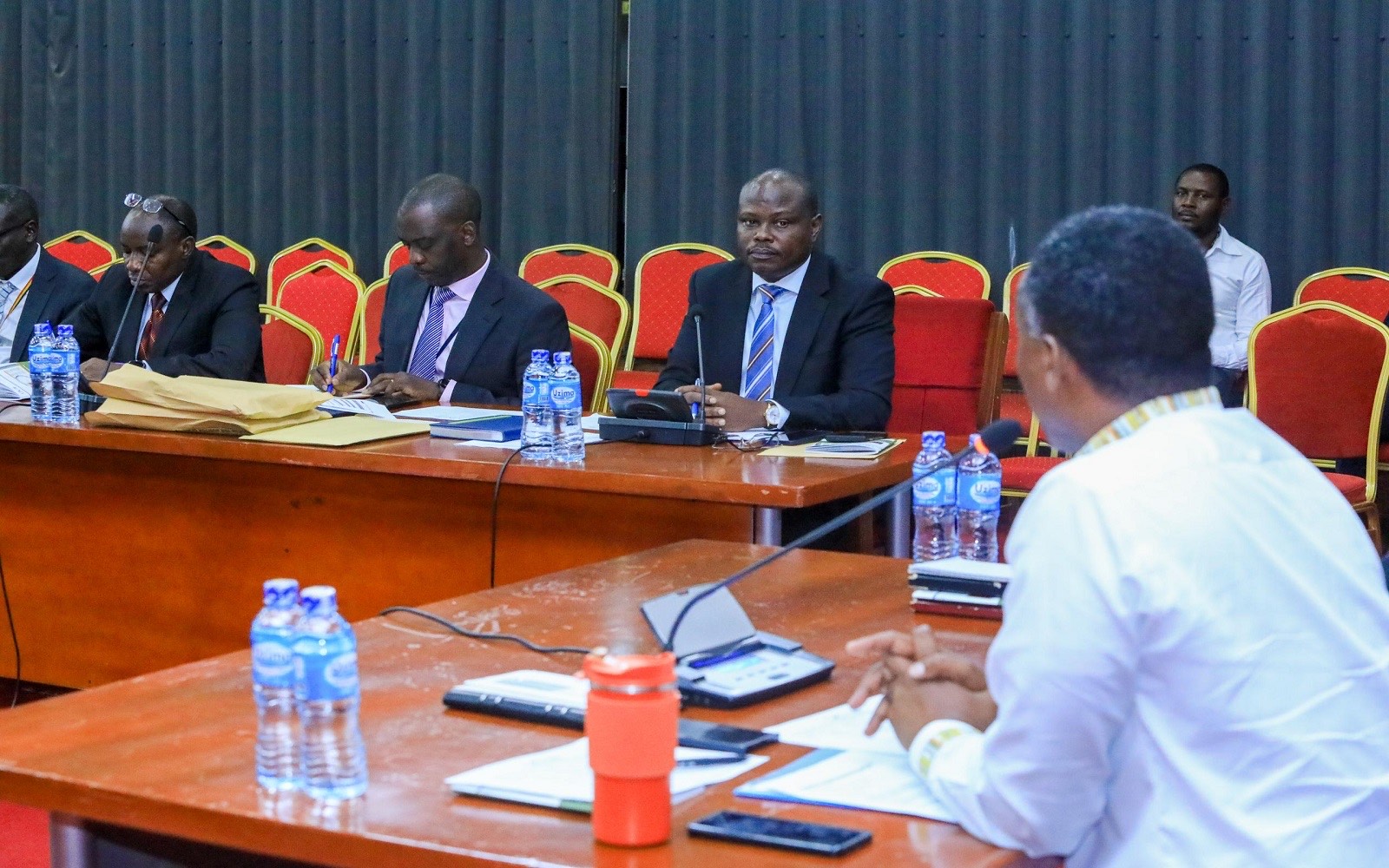
The Auditor General will only be able to audit 40% of Ministries, Departments, Agencies (MDAs), and local governments in the 2024/25 financial year due to a Shs32 billion budget cut.
This reduction, translating into 60% of the Office of the Auditor General’s (OAG) required operational budget for fieldwork, risks the integrity of audit reports and limits oversight on public expenditure.
With an overall budget of Shs110 billion for the year, the significant cut has raised concerns about the OAG’s ability to fulfil its mandate.
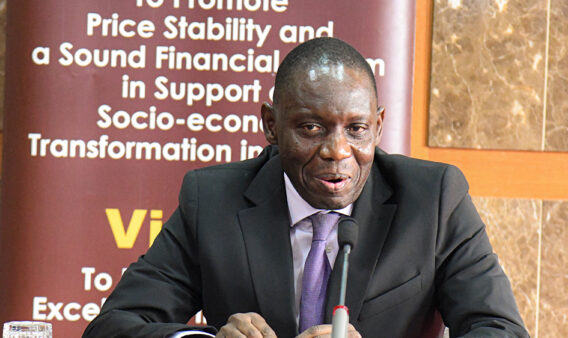
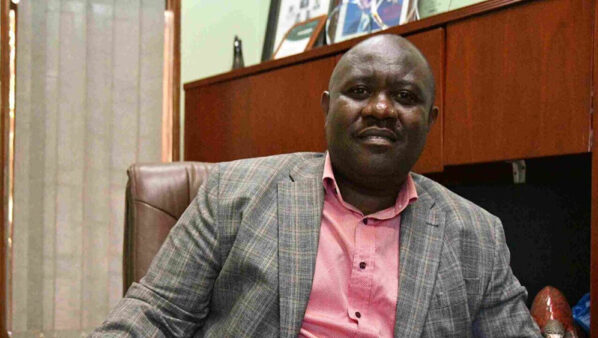
Stephen Kateregga, the Assistant Auditor General for Corporate Services, expressed frustration over the financial constraints. “We suffered a budget cut of almost Shs32 billion, representing almost 30% of our total budget. This will heavily affect the number of reports we can produce in December, even as the scope of audits continues to expand,” Kateregga said.
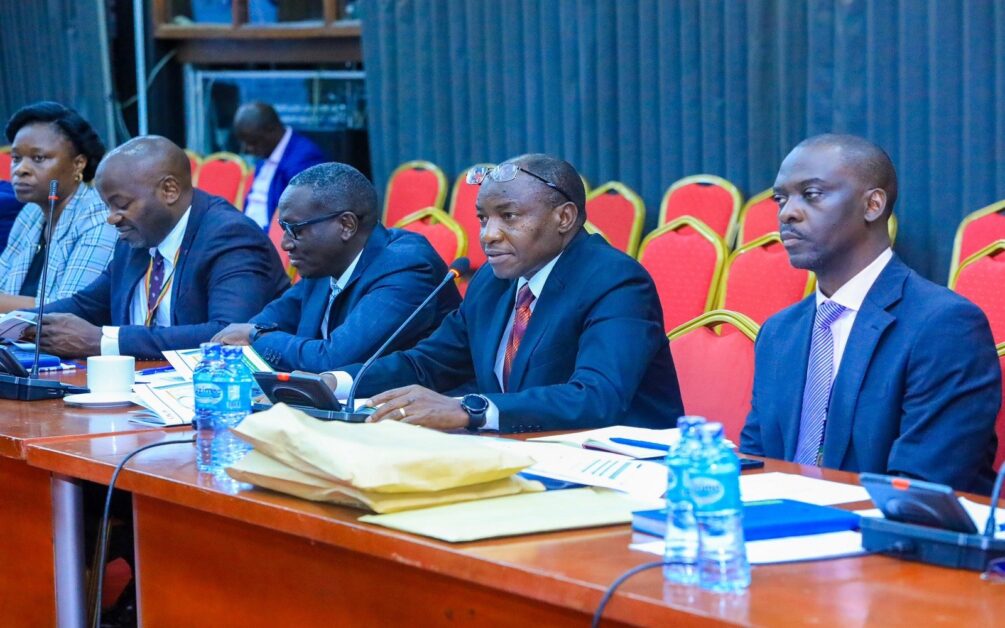
These concerns were raised during a meeting with the Auditor General, Edward Akol, and other officials with Members of Parliament from the parliamentary accountability, finance, and budget committees.
The Auditor General’s Office is mandated to audit government expenditures to ensure accountability. However, Kateregga pointed out that limited funding has made this task increasingly difficult, particularly with new and expanding areas requiring oversight. “Every other year, the audit scope increases. So we are not able to cover our audit scope. We need staff, and operational and field vehicles to cover huge programmes like the Parish Development Model and other related programmes,” he explained.
Despite discussions with Parliament and the Ministry of Finance, no firm commitments have been made to reverse the budget cut. “We are having discussions with the committees here, the Speaker, and also the Minister of Finance, and there have been promises that this is going to be addressed,” he added.
 Tax Appeals Tribunal resolves 146 disputes, unlocks UGX203bn in first half of 2025/26
To improve transparency and public engagement, the OAG has introduced digital tools, including a Citizens’ Feedback Platform and an Audit Recommendations Tracking Tool. These platforms permit citizens to report service delivery concerns and track the implementation of audit recommendations.
Kateregga called on Parliament to employ the Audit Recommendations Tracking Tool, which provides updates on audit recommendations from the past three to four years. “If you go on our website, we have already published it. It gives status, entity by entity, and also at the government level,” he said.
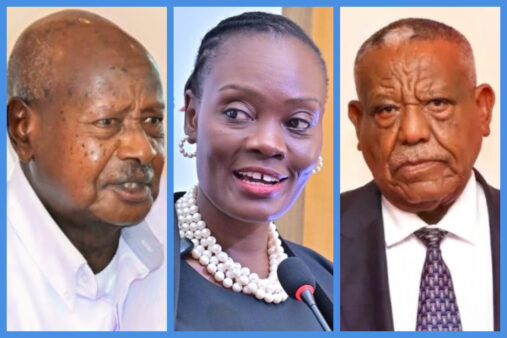
Hon. Amos Kankunda, Chairperson of the Finance Committee, who represented Speaker Anita Among at the meeting, pledged to support the OAG in its work. “I want to thank you for helping Parliament and government address the challenges of corruption, weaknesses in the accountability system, and poor service delivery to the citizens,” he said.
Kankunda acknowledged the concerns about the budget cuts and promised to advocate for the OAG. “We will go an extra mile to find ways of supporting your office to make sure you can execute your mandate effectively,” he said.
Other sectors facing severe budget cuts include Tourism, Trade, and Internal Affairs in a bid to prioritise debt management and economic growth.