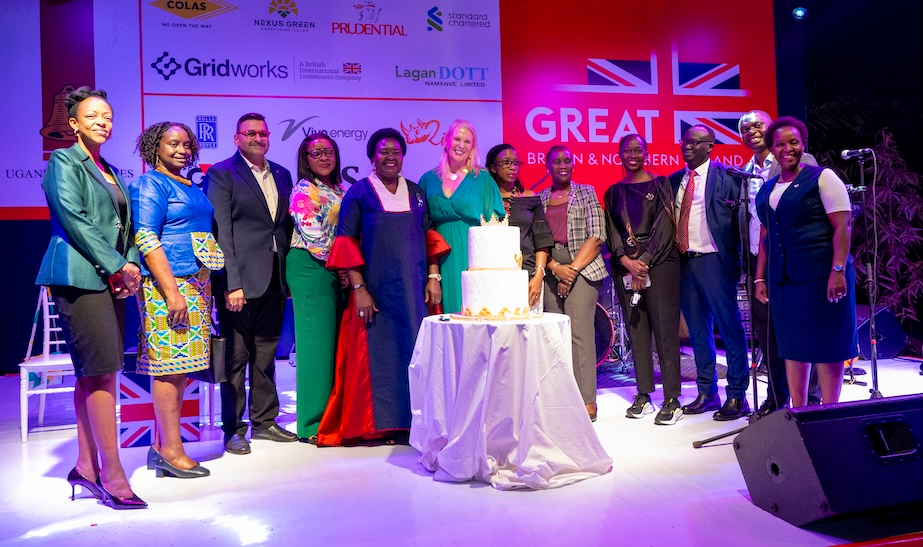
The British High Commissioner to Uganda, H.E. Lisa Chesney MBE, has called upon Uganda and the United Kingdom to deepen their shared commitment to climate action, using the celebration of His Majesty King Charles III’s 77th birthday to highlight the monarch’s lifelong environmental advocacy and the growing UK–Uganda partnership for a greener, more resilient future.
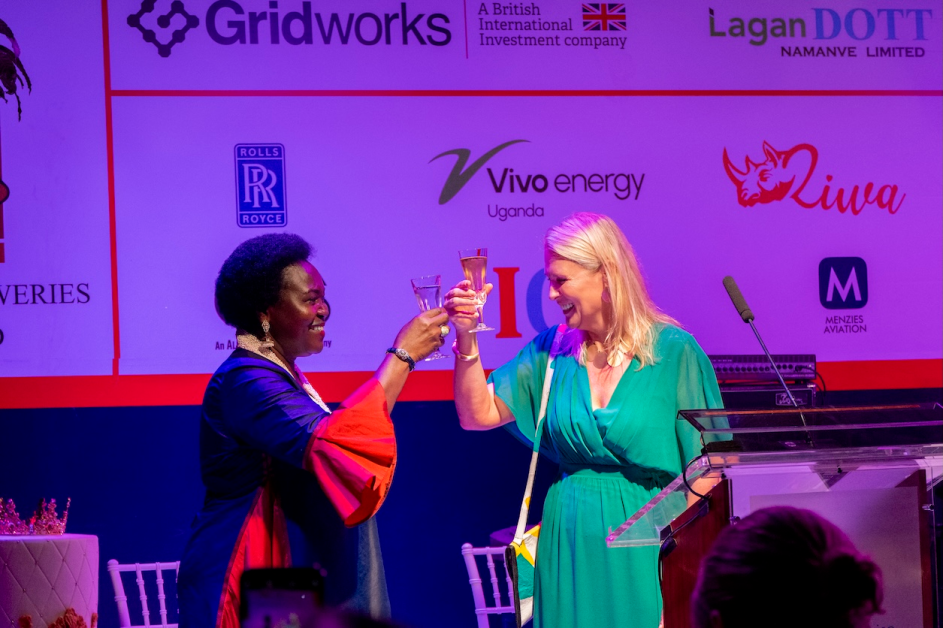
Speaking during a high-level reception hosted at her residence in Kampala on November 13th, Chesney paid tribute to the King’s enduring dedication to environmental stewardship, public service, and the Commonwealth.
She noted that His Majesty’s leadership in global climate advocacy spans decades, positioning him as a visionary long before climate action became a mainstream diplomatic priority.
“His Majesty King Charles III has long championed the protection of our planet, earning accolades for his unwavering commitment to environmental sustainability, biodiversity, and climate action. As we celebrate his 77th birthday, we also celebrate a shared vision with Uganda—of a greener, more sustainable future for all.”
Wildlife and Nature Take Centre Stage
This year’s celebration was themed around wildlife and nature, reflecting both the King’s personal passion and the UK’s expanding partnership with Uganda on conservation, biodiversity, and climate resilience.
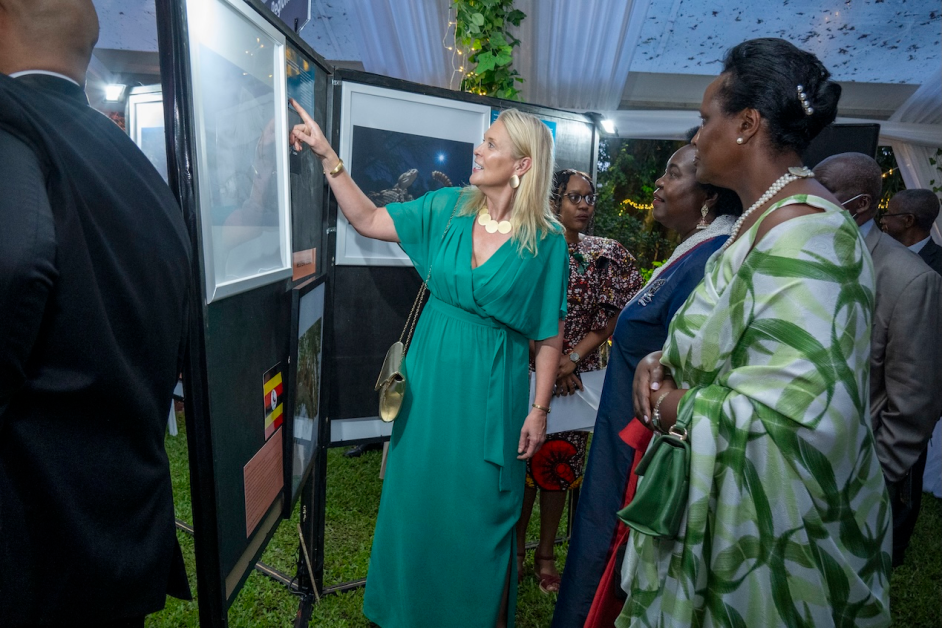
Guests were treated to a curated exhibition featuring award-winning pieces from the Natural History Museum’s world-renowned Wildlife Photographer of the Year competition, displayed alongside images showcasing Uganda’s rich natural ecosystems. Uganda is one of only 10 countries worldwide selected to host the 61st edition of this global exhibition.
The High Commission said the exhibition aims to raise awareness about protecting natural heritage at a time when climate pressures threaten biodiversity and community livelihoods.
A Timely Call During COP30
The celebration coincided with COP30, amplifying the urgency of climate action. Chesney emphasised that nearly a decade after the Paris Agreement, the UK remains committed to ambitious climate targets—including its legally binding Net Zero by 2050 plan.
She also echoed the words of UK Prime Minister Sir Keir Starmer, who, during his COP30 address, said:
“You don’t protect jobs and communities by sticking with the status quo. You don’t meet a challenge like climate change by standing still – you do it by embracing change, embracing the opportunities and doing it together.”
The High Commission noted that the green transition represents not just a moral imperative but also an economic opportunity, with UK businesses poised to tap into a global net-zero market valued at £1 trillion by 2030.
 Inside Uganda’s Gorilla Permit System: Where Does a Gorilla Permit Shilling Go?
Celebrating UK–Uganda Achievements
Chesney highlighted several milestones of UK–Uganda cooperation that demonstrate the value of sustained partnership:
- 1,300+ Ugandan health workers trained through UK programmes and the NHS.
- 20 million Ugandans reached through clean-cooking awareness initiatives.
- 50+ British Chamber of Commerce member companies operating in Uganda, employing more than 20,000 people.
- US$22 million mobilised for agro-industrialisation and climate resilience in Northern Uganda.
- £800 million in UK Export Finance commitments supporting Uganda’s infrastructure pipeline.
She emphasised that these achievements illustrate both nations’ shared ambition to build resilient communities, a stronger economy, and a sustainable future.
Strengthening Climate and Conservation Partnerships
The reception also cast a spotlight on the United Kingdom’s extensive and long-standing support for Uganda’s climate and conservation agenda. For more than 25 years, the UK has worked in close partnership with the Uganda Wildlife Authority to safeguard protected areas and critical ecosystems. This collaboration is further strengthened by the Darwin Initiative, which is helping to build community-led conservation efforts for more than 30,000 people in Rukiga District. Complementing these programmes are targeted anti-poaching interventions that have contributed to reducing wildlife crime and ensuring the protection of endangered species across the country.
In climate finance, the UK has played a pivotal role in enhancing Uganda’s institutional capacity, most notably through the establishment of the Climate Finance Unit within the Ministry of Finance in 2023. This unit now serves as a central mechanism for mobilising and coordinating the climate finance needed to implement national adaptation and resilience strategies. In addition, the UK’s support through the LIFE-AR initiative is delivering practical, community-level investments, including the installation of boreholes in Kibaale District to improve access to clean water in areas vulnerable to climate stress.
Agriculture—one of Uganda’s most climate-sensitive sectors—has also benefited greatly from UK partnership. The £39 million Climate Smart Jobs Programme is strengthening the resilience of smallholder farmers by improving agricultural productivity and expanding rural livelihood opportunities. The UK is further supporting women’s shea cooperatives in Northern Uganda, helping them to protect shea trees, promote sustainable harvesting practices, and curb the deforestation that threatens both local ecosystems and women’s incomes.
Clean energy remains a cornerstone of the UK–Uganda climate partnership. The UK is backing Uganda’s newly launched Clean Cooking Unit, which aims to achieve a 50 percent national transition to clean cooking solutions by 2030, a shift expected to deliver major environmental and public-health gains. This support builds on more than two decades of collaboration in the electricity sector, including the landmark GET FiT Uganda programme, which has mobilised over US$450 million in renewable energy investments. The UK is also behind one of the country’s most significant energy-infrastructure milestones—the US$90 million Amari Transmission Project, which represents Uganda’s first-ever public-private partnership in electricity transmission.
A Night of Culture, Unity, and Shared Purpose
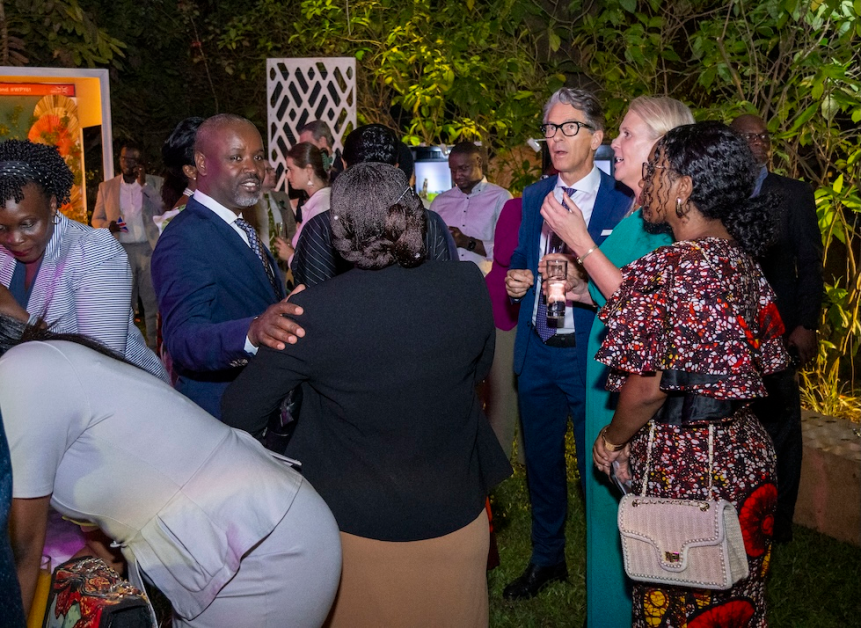
The celebration blended Ugandan and British culture through food, music, and visual storytelling centred on nature. The High Commission also recognised the Ugandan-British community and the diaspora for strengthening cultural ties and driving innovation across both nations.
As COP30 unfolds, Chesney underscored that climate leadership requires unity, diplomacy, and long-term investment in resilience:
The evening, she said, was a reminder that shared purpose—between Uganda, the UK, and the wider global community—is central to confronting the climate crisis and safeguarding future generations.