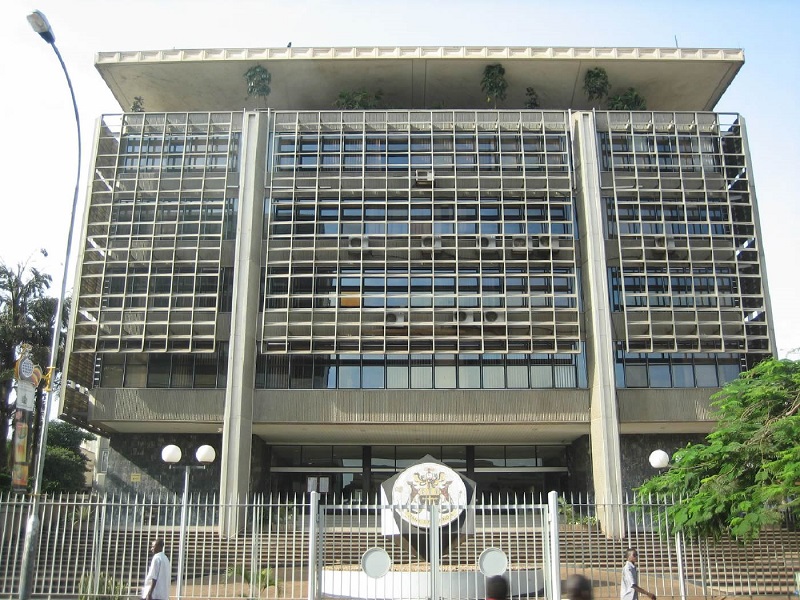
Ahead of the Central Bank’s announcement of its June 2020 Monetary Policy, experts have predicted that Bank of Uganda, will further cut its Central Bank Rate (CBR), in a bid to stimulate economic growth.
If this comes to pass, this will be the second time the Central Bank is cutting the CBR to historic lows following an April 6th decision to reduce it by 1 percentage point to 8 per cent- the lowest-ever rate since the CBR was introduced as a monetary policy tool, back in July 2011, then at 13per cent.
In May, the CBR remained at 8 per cent.
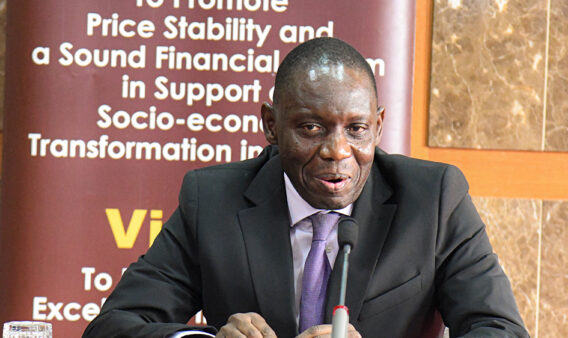
According to Stephen Kaboyo, the Founder and Managing Director of Alpha Capital Partners, BoU is “expected to slash its policy rate” for June 2020 in the upcoming Monetary Policy Committee announcement, scheduled for tomorrow June 8th 2020.
“The odds are that BOU will slash the policy rate for June. The decision will primarily be driven by the mounting fears of marked economic slowdown due to the Covid-19 pandemic,” said Kaboyo, adding that: “this will come against the backdrop of cooling domestic economic activity that is expected to hurt growth prospects coupled with subdued inflationary pressures in the recent months.”
“In my view, I expect the statement to be embedded in a hawkish language, it will highlight the expected turbulence in the months ahead as effects of the pandemic weigh on domestic and external activity,” concluded Kaboyo.
However, the markets are yet to fully respond to the April and May cuts with average lending rates for Shilling-denominated loans in the month of April easing down slightly- from 17.78 per cent in March 2020 to 17.73 per cent in April. All in all average interest rates have eased down by 2 per cent points, from an opening of 19.88 per cent in January 2020.

Forex denominated loans too, have eased down from 6.71 per cent to 6.2 per cent in the same period.
Overall, Private Sector Credit growth still remains resilient- credit extended to the private sector grew 2.8per cent in the 4 months to April 2020- from UGX14.90 trillion in January 2020 to UGX15.32 trillion in April 2020- on average, a 1 per cent month-on-month growth, similar to the 4 months leading to December 2020.
Bank of Uganda has predicted that Non-Performing Loans to gross loans ratios are expected to jump to 5.94 per cent at the end of March 2020, up from 4.71 per cent at the end of December 2019 on the back of significant increases in NPLs in the trade, tourism, transportation and construction sectors.
If this comes to pass, it will be the highest NPL ratio since September 2017, when it last peaked at 7.24 per cent
Ugandan Shilling remains steady amidst weakened dollar demand
 Modernising General Insurance: SanlamAllianz CEO Ruth Namuli on Building Uganda’s Insurance Powerhouse with Trust, Innovation, and Scale
Meanwhile, the Ugandan Shilling held its ground for the week running from 29th May – 5th 2020 as demand for the dollar remained subdued. This is as most retail and other businesses opened doors after nearly 3 months of closing down due to Covid-19 restrictions.
The Shilling quoted in the 3765/3775 range according to an update from Alpha Capital Partners.
In the fixed income market, a treasury bill auction with UGX145 billion on offer was oversubscribed by over UGX75 billion- a total of UGX220 billion was tendered.
“Indications point to bidding up rates by investors as the financial year runs to a close. Yields were flat on the short end printing at 8.81per cent and 10.977per cent and marginally edged up to trade at 12.50 per cent on the 364-day curve,” observed Alpha Capital Partners’ Kaboyo.
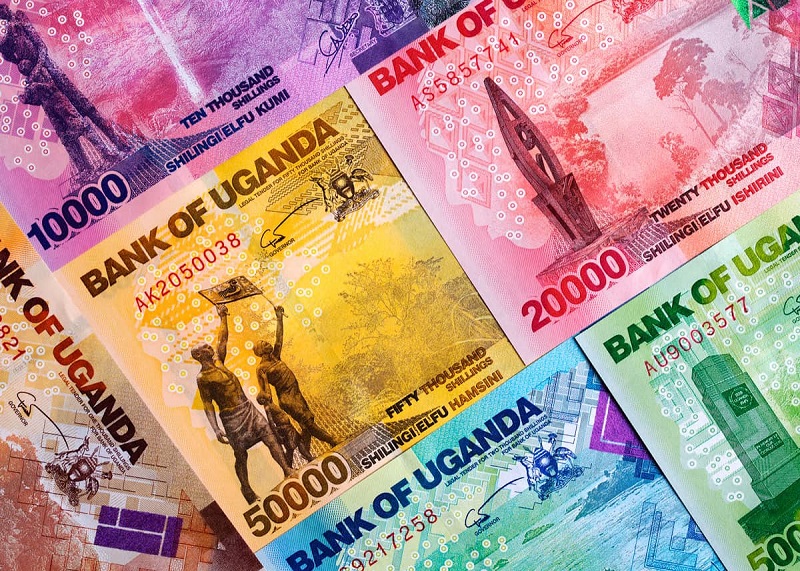
In the regional markets, the currencies of the two major EAC partners states- Kenya and Tanzania, maintained a similar trend to the Uganda Shilling, with the Kenyan Shilling unchanged all week, trading at 106.00/20 while the Tanzanian Shilling held at 2310/2320, with subdued demand cutting across.
In the global markets, the Euro and British Pound rallied against the dollar, as the safe-haven currency suffered a setback on mainly the resurrection of the US – China trade tensions and the prolonged mass protests in all the major cities of the US.
“The dollar index was down 5 per cent from the March peak when panic over COVID 19 gripped financial markets,” said Kaboyo.
Kaboyo expects the Ugandan shilling to remain stable in the coming weeks, as Uganda reads its FY2020/21 budged on June 11th 2020.
“Demand is expected to remain depressed as the lifting of the lockdown measures take full effect,” he said.