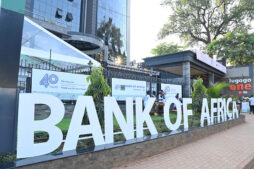

Although Uganda had as of March 15, 2020, not yet registered a single case of the deadly COVID-19 top five Kampala hotels had registered a loss of an estimated USD 2,089,129 in canceled bookings alone due to global travel restrictions and anxieties!
With 9 cases confirmed todate in Uganda, the banning of political, social and religious gatherings as well as a total lockdown of all our borders to all sorts of travel- by land, air and sea and most Ugandans being encouraged to stay home, the damage to the tourism sector that is Uganda’s No.1 foreign exchange earner is unfathomable.
Before COVID-19, the tourism industry had had a relatively good 5 years with visitor numbers (arrivals) growing by 19% from 1.27 million in FY2014/15 to 1.5 million in FY2018/19- on average by 4% every year, versus a global 3% average growth. The number of leisure visitors to Uganda- which is the real measure of tourism was growing twice faster- by 41.4% from 220,219 visitors to 311,335 in the same period and at a compounded annual growth rate of 7.1%.
Forex earnings by the sector in this period grew by 22% from USD1.31 billion to USD1.6 billion- an average growth of 4% per year, making the sector, Uganda’s number one forex earner.
At USD1.6 billion, tourism earnings in FY18/19 were bigger than the export earnings of Uganda’s leading 17 agriculture exports combined! According to figures from Uganda Bureau of Statistics (UBOS) and Bank of Uganda, export earnings from coffee, cotton, tea, tobacco, fish and its products, hides & skins, simsim, maize, beans, flowers, cocoa beans, fruits and vegetables, rice, pulses, sugar, and vanilla – all put together, fetched Uganda USD1.34 billion, compared to USD1.6 billion brought in by Tourism.
This healthy growth then attracted investments into the sector, ramping up accommodation facilities. According to Jean Byamugisha, the Executive Director at Uganda Hotel Owners Association (UHOA) by end of 2018, there was an estimated over 6,000 accommodation facilities in Uganda offering about 410,000 rooms and 487,000 beds. And the returns were beginning to show- with industry room occupancy rates growing from 38% to 51%- in real terms.

For UHOA members, average hotel occupancy for hotels in Kampala had improved from 48% in 2016 to 58% in 2018 while average occupancy outside of Kampala had also improved from 22% to 41% and in National Parks, occupancy was growing from 12% to 27%.
For any hotel to break even, it must operate at 40% occupancy.
The sector at the end of 2018, created 667,600 jobs in 2018 which constitutes 6.7% of all total employment. Worth noting is that the hospitality sector contributes up to 90% of all the jobs in the tourism industry with 58% of all jobs going to women and 77% of jobs to the youth- (18-30 years).
It is also important to note 95% of the hotels are owned by the private sector and of these, 75% are owned by Ugandan private players, 13% by other African private players and 7% by other international players.
Huge overheads amidst canceled bookings, empty rooms and empty bank accounts
But all these are now being threatened by COVID-19 both locally and globally both in the present and the mid-term when the pestilence is finally defeated.
“The effects of the coronavirus on the hotel industry in Uganda have been unprecedented. There was never any contingency measure for an event like this and the industry has taken a hit never before seen on any scale,” Ms. Byamugisha told us in an interview.
“Our big five star hotels that usually operate at 90% occupancy are now at zero occupancy for the next foreseeable months. A hotels financial health can be gauged from its occupancy rates. Hotels make the majority of their money from accommodation. For a hotel to break even it has to operate at 40% occupancy. For a hotel to operate at zero occupancies is a disaster because it means that even salaries cannot be paid let alone taxes and loans,” she said.
“All conferences and events like weddings have been canceled and now bars even the ones in hotels have been banned from operating. Short of saying the word, for the most part hotels are now on lockdown. Many hotels have requested their staff to consider taking leave with effect from the end of this month. Other hotels have negotiated a pay cut with their staff so as to keep the doors open for two more months. If the situation doesn’t turn around by then, we anticipate that majority of our hotels will be out of business,” she says.
“Most important for us and priority right now is the hotel staff whose salaries must be paid for as long as we can so that they can also take care of their families. But the truth is with no business many hotels will have no choice but to make the hard decision to close the doors and this lose jobs,” she adds.
Dr. Sudhir Ruparelia, the founder and Group Chairman of Ruparelia Group, the owners of the Speke Group of Hotels- perhaps Uganda’s biggest chain of hotels, the story is the same.
In an interview with this reporter he said, they too, had scaled down hotel operations at all their hotels as they monitor the situation.
“With most of the hotels we shall decide which way to go, next week,” he said.
He showed this reporter a video shot at the usually lively Speke Resort Munyonyo, but this time, all empty and quiet.
“This is Speke Resort Munyonyo; empty, yet with huge overheads,” he said.
The Speke of Group Hotels, a member of Ruparelia Group boasts of a portfolio of luxury and budget hospitality facilities that include: Speke Resort and Conference Centre, Munyonyo Commonwealth Resort, Kabira Country Club, Speke Hotel, Dolphin Suites, Forest Cottages, Speke Apartments Wampewo, and Speke Apartments Kitante.
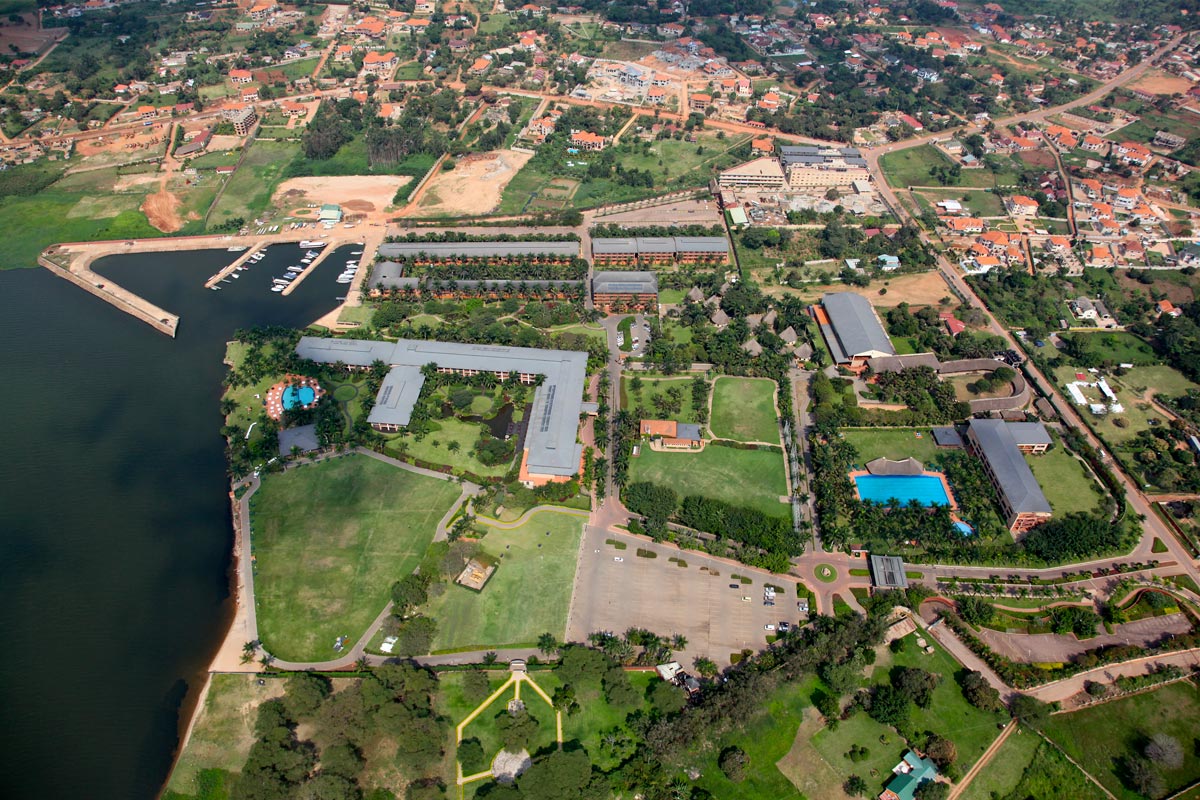
In August 2019, the Group broke ground for the construction of 269 serviced apartments on Old Kira Road, just next to Kabira Country Club. The project involves serviced and full-furnished 1, 2 &3 bedroom apartments, with two levels of underground parking- altogether 62,000 square meters of built-up space. The Group is also in advanced plans to construct a 5-star Speke Resort and Convention Centre, in Entebbe.
Dr. Sudhir, said that Group that has over 28 companies, had decided to send home, more than 1,000 workers who were on probation as was playing a lets-wait-and-see game with the 7,000 other workers.
The group’s flower growing and exporting arms, Rosebud and Premier Roses have also been badly hit.
“Zero Exports,” Sudhir told this reporter.
Patrick Bitature the proprietor of Protea Hotel by Marriott Kampala- a 70-roomed four-star hotel in the leafy Kololo suburbs and Protea Hotel by Marriott Kampala Skyz- a 141-roomed four-star hotel atop Naguru Hill, another affluent Kampala suburb also told CEO East Africa that they are scaling down operations.
“We are trying to keep the hotels open but it’s hard to justify since the bookings have dropped substantially – as expected once they borders and airports were closed. We shall keep a skeleton staff and security,” he said.
Lilly Ajarova, the Uganda Tourism Board (CEO), Uganda Tourism Promotion and quality assurance agency says the industry has been hit hard by cancellations of this year’s bookings and “tour operators are having to refund payments that some of them received.”
‘They are struggling to pay salaries and loan repayments,” she said, adding that the industry is having “engagements with the ministry of finance to consider waiving of taxes, water and electricity bills and possible renegotiated loan repayment terms.”
“These are still to be confirmed by the ministry of finance,” she added.
Ajarova also said that UTB, is engaging stakeholders to advocate for rescheduling and rebooking instead of cancellations so as to preserve cash flows.
Tourism industry appeals to government for a lifeline
The industry on 17th March 2020 met Hon. Matia Kasaija, the Minister of Finance to present their pleas to government and told him that with cancellations and low business turnover, it is proving extremely difficult for hoteliers to meet their loan obligations, pay taxes, salaries and other business overheads during this period.
In a letter to Kasaija, channeled through the tourism minister, Col. Tom Butiime the industry asked for VAT relief for a minimum of
12 months and the deferring of corporate tax payment for 2019 to the end of 2020 instead of mid financial year to allow the industry to use that cash flow to pay operating expenses. They also asked for a waiver of Pay As You Earn for a minimum 12 months, saying this would allow them to keep thousands of jobs during the tough time and recovery phase.
They also requested the government to intervene through the Bank of Uganda by putting in place mitigating measures either by reducing the interest rates or extending a grace period to hoteliers, tour operators and other industry stakeholders who are affected and are unable to service their loans on time. They also want the government to create and fund a sector-wide crisis management committee that will lead the recovery efforts of the tourism industry in Uganda after the Coronavirus pandemic has been contained.
They also asked for a government negotiated 40% reduction on electricity tariffs for Hotels.
“We believe that if these recommendations are accepted, it will assist the industry to stay afloat, reduce the number of jobs lost, and keep the tourism industry alive as we struggle to recover after the crisis comes to an end,“ industry players told Kasaija, in a letter signed by Mrs. Susan Muhwezi, the Chairlady, Uganda Hotel Owners Association and the Vice-Chairperson, Uganda Tourism Board.
“We humbly call on the Government to make tourism a priority in the country’s recovery plans and actions. Tourism is a major export for Uganda, and we would like to thank the Government for all the efforts put into boosting our industry over the last many years. Your intervention and support at this time of crisis will allow the industry to stay afloat and as a community, we fight to promote Uganda to the world,” Mrs. Muhwezi further said.
Herbert Byaruhanga, the Managing Director Bird Uganda Safaris and the Vice President Uganda Tourism Association (UTA) says the situation is tough.
UTA is an umbrella organization that brings together all tourism trade Associations in Uganda that represent 7,000 tourism professionals, comprising of tour operators, travel agents, accommodation facilities, tour guides, and community-based organizations and arts and crafts.
He is also frustrated that the government is non-committal on specific incentives for the industry.
“Many of us are shifting families to rural areas to manage the costs of life in Kampala. The government is not clear about financial support to the tourism private sector operators. Loans will be a huge setback yet in other countries, business loans to tourism have been financed to 80% in the next 3 months,” says Byaruhanga.
“Government must come out clearly. It is not a matter of making statements that Tourism is a leading foreign exchange earner. The sector needs support is such difficult situations. The business advisor to the President should go above personal benefits and be patriotic, and tell the President the truth,” he added.
Government grants limited tax amnesties and extensions for filing taxes, but is it enough?
Yesterday, March 24th, 2020 Uganda Revenue Authority (URA) announced a 2 months extension for filing Corporation tax as well as a 15-day extra time for filing March 2020 returns for Value Added Tax (VAT), Pay As You Earn (PAYE), Local Excise Duty, Withholding Tax and all other taxes under the Lotteries and Gaming Act for March 2020.
Taxpayers, who failed to file their February 2020 returns by 15th March 2020 and were, therefore, liable for late payment penalties, had had their penalties waived, provided they file their February returns by 31st March 2020. To further ease taxpayer cash flows, the tax authority has said that taxpayers who had ongoing arrangements with URA and were due to make installments in the months of March and April 2020 but are unable to, have an option to defer and reschedule these payments to May 2020. This provision however only applies to taxpayers whose businesses have been affected by Government Directives on COVID-19 and are thus unable to meet their obligations during this period. These include sectors like airlines, transport companies, and hotels who have been affected by massive travel restrictions globally and locally.
URA has however emphasised that these are not waivers or write-off as the outstanding taxes will still be paid in full in accordance with the provisions of the law.
In other concessions announced today, taxpayers who make any voluntary disclosures during the months of March and April 2020 and go ahead to pay the principal tax therein, shall have their penalty and interest waived in accordance with the law.
The tourism industry is yet to make a response to these tax measures, but the government itself is in a catch 22 situation- it is faced with a projected revenue shortfall of between UGX 82.4 billion and UGX288.3 billion for the remaining period of the FY2019/20 and another shortfall of between UGX187.6 billion and UGX350 billion in FY2020/21. As a result, the finance ministry projects it will be hit by a preliminary additional financing gap of approximately UGX370 billion in FY2019/20 and UGX350 billion in FY 2020/21), yet the private sector is clamoring for massive tax concessions and monetary stimulus packages.
The question that Kasaija, his finance ministry technocrats and ultimately President Yoweri Kaguta Museveni must make is should they put the chicken before the egg?