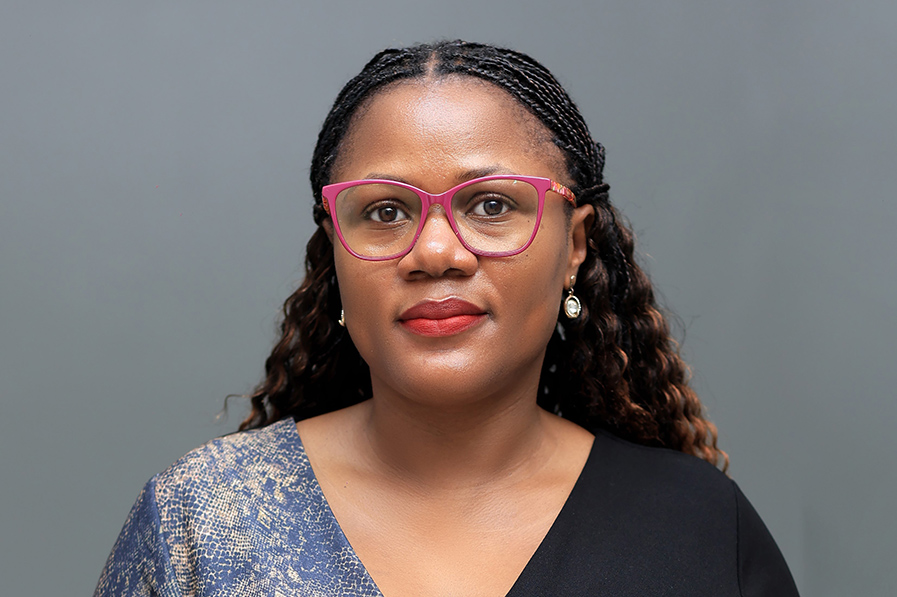
By Elizabeth Namaganda
In the heart of East Africa, a pulse of resilience defines the Ugandan woman. As we celebrate Women’s Day under the theme “When we give, we gain,” I find myself reflecting on a necessary shift in our global consciousness.
For too long, leadership has been framed through “empire building,” scaling walls, and amassing influence as a means of survival. Today, I propose a different blueprint: building homes, not empires.
An empire is defined by what it takes: resources, labor, and loyalty. It is vertical and exclusionary. A home is defined by what it gives. It is a space of safety, equity, and shared growth.
When we approach gender equality through this lens, we realize our gains are not measured by the height of our pedestals, but by the strength of the foundation we lay for others.
Uganda is one of the most entrepreneurial nations on earth. Yet, on the global stage, the “gain” of this spirit is often stifled by a lack of equal opportunity.
Gender equality is the economic engine that will propel developing nations into global competitors.
In the global south, women drive the informal economy. However, transitioning to the formal sector requires systemic commitment. When a woman is given the same credit, the same seat at the table, and the same educational pathways as her male counterparts, she doesn’t just build a business; she builds a community.
By giving women equal access, society gains a more robust, diversified economy.
Leadership as an act of giving
True leadership is service. In my journey, I have seen that the most effective leaders view their positions as platforms for mentorship. Mentorship is the ultimate expression of “giving to gain.”
By pouring experiences into the next generation, we do not diminish our power; we multiply it. Globally, there is a shift toward empathetic leadership, a trait naturally cultivated by women navigating complex social structures.
In Uganda, this is magnified through traditional social support systems like “savings circles.” By bringing this “home-grown” support into formal leadership, we create environments where everyone belongs. An empire demands submission; a home invites contribution.
The home space: The first frontier of equality
We cannot discuss global gender equality without addressing the domestic sphere. The traditional view of the sole male provider is evolving.
Today, the financial contribution of women in the home is a cornerstone of national stability. When a woman earns, she reinvests 90% of her income into her family’s health and education.
However, this “giving” must be met with a reciprocal “gain” in decision-making power. Gender equality begins at the breakfast table.
It is the unapologetic recognition that a woman’s financial contribution is not a threat to tradition, but a fuel for the future. Nations that bridge the gender gap in domestic agency consistently show better social outcomes.
Mentorship: The global bridge
For Uganda to remain a vibrant global player, we must formalize the mentorship of young women. Giving them the tools to navigate digital transformation and international markets ensures that our “home” grows larger.
Gender equality is the goal, but “giving” is the method. We must give up old prejudices and the need for “empire” status.
As we celebrate Women’s Day, let us remember that the Ugandan woman is a global architect. By building homes of equity, we ensure that when we give, the whole world gains.
The write is the Pride Bank marketing manager