

Behind the gleaming figures of a clean financial audit and commendable regulatory performance, the Uganda Retirement Benefits Regulatory Authority (URBRA) is grappling with internal cracks.
URBRA regulates a sensitive sector of the economy – retirement benefits – and any regulatory lapse threatens to undermine the credibility of one of Uganda’s most strategic public institutions.
Whereas the Auditor General scored URBRA highly for financial propriety and the execution of its statutory mandate during the period ended June 2024, unsettling governance failures and human resource weaknesses call into question the long-term resilience of the institution charged with regulating Uganda’s UGX 20 trillion-plus retirement benefits industry.
URBRA has been marred by serious internal governance lapses and persistent staffing shortfalls, potentially undermining its growing mandate in Uganda’s pensions and retirement benefits sector.
At the heart of the audit is a troubling revelation: the board of directors failed to appraise the former Chief Executive Officer, violating both the URBRA Human Resource Manual (2018) and broader public service standing orders.
While all other staff underwent annual performance evaluations, the CEO arguably the most crucial role—was left unchecked, a lapse that ultimately led to his contract not being renewed due to lack of formal performance records and questions surrounding his appointment process.
“Without assessment, it is difficult to grade the CEO’s performance,” the report states.
In January, the High Court adjudged that the Board of Directors of the Uganda Retirement Benefits Regulatory Authority (URBRA) chaired by former MP Julius Bigirwa Junjura did not have the technical competence to run the affairs of the agency.
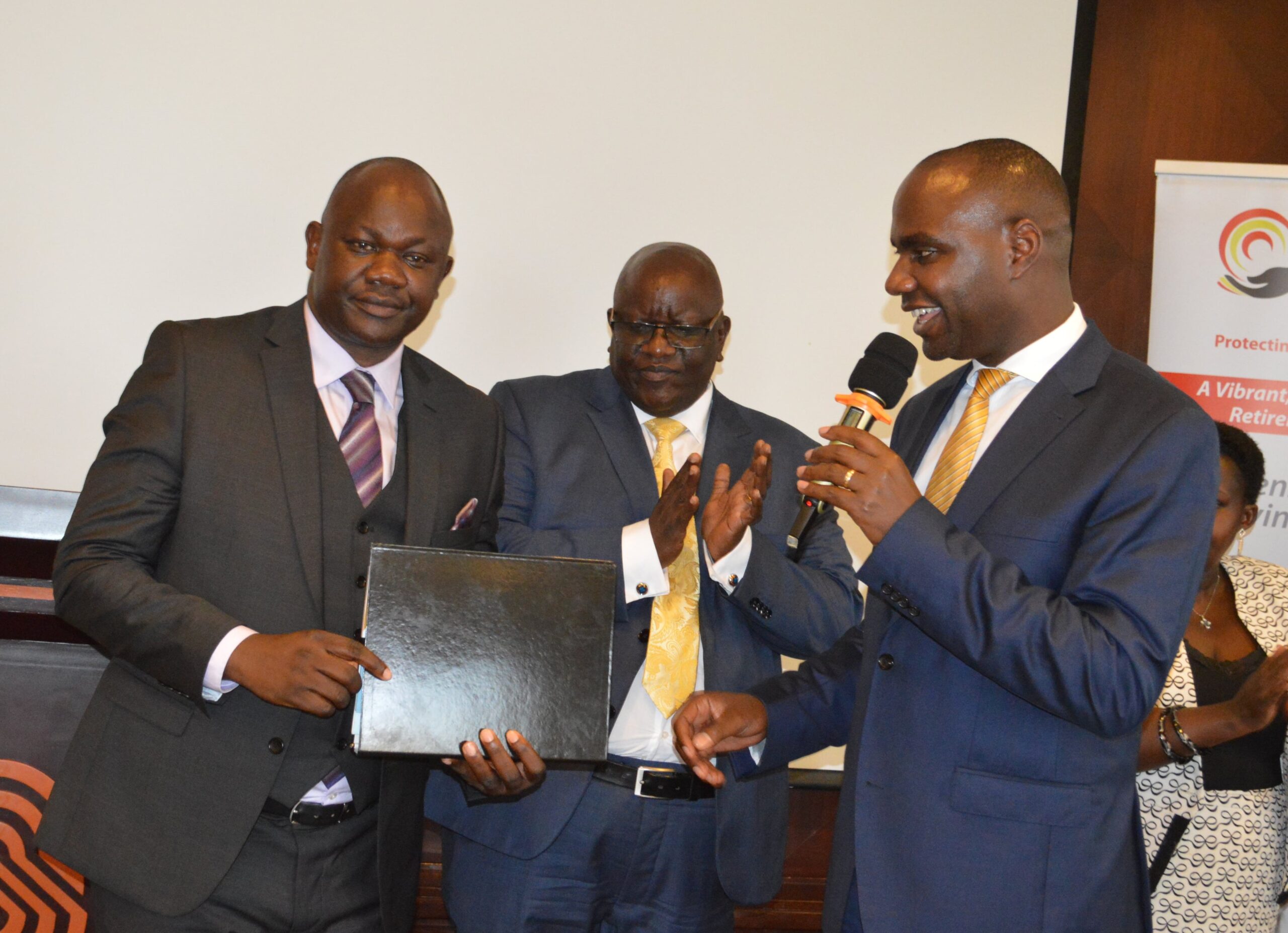
The board, mainly comprising former MPs, and representatives from the line Ministries of Finance, Gender, and Public Service, fired the CEO of UBRA Martin Anthony Nsubuga early last year after he questioned their decision not to renew his contract.
In April, the Court of Appeal dismissed an application by four URBRA board members to halt a High Court order, seeking to have them replaced because of lack of requisite competencies to hold their positions.
The leadership strikes at the core of executive oversight and accountability in public institutions, and its implications go beyond URBRA’s walls – raising national concerns about how leadership in state agencies is evaluated, renewed, or terminated.
The people behind numbers
URBRA’s internal engine is also visibly straining. Of the 74 approved positions within the Authority, 22 remain unfilled, including the Chief Executive Officer role, four managerial posts, and nine officer roles.
With only 70.3% of its positions staffed, the Authority made marginal progress from 55% in the 2021/22 financial year, but the workload pressure continues to weigh heavily on the existing 52 staff.
“Inadequate staffing results in heavy workloads and affects performance, which in turn affects overall service delivery,” noted the Auditor General.
Despite this, the Authority remains unwavering in its regulatory mandate.
It registered concrete wins: licensing 51 segregated schemes, three mandatory schemes, 12 umbrella schemes, and approving trustees, administrators, and fund managers.
URBRA also resolved 52 complaints, resulting in compensation payouts totaling UGX 275.9 million to aggrieved pension scheme members.
Additionally, through regulatory vigilance, it halted the renewal of a fund manager’s license due to non-compliance and facilitated the orderly exit of two administrators, ensuring scheme continuity for participating employers.
Budget execution: Efficient but not flawless
URBRA received a UGX 14.48 billion warrant against a UGX 14.58 billion approved budget, an enviable 99.3% funding performance. But cracks emerged in execution.
A total of UGX 690 million was unutilized by year-end, largely due to staffing gaps and unrealistic budget items, such as allocations for bank charges which are obsolete under the Treasury Single Account system now in use.
Among the key underperforming budget lines was UGX 647 million meant for salaries that went unspent due to the slow recruitment process.
Another UGX 103 million earmarked for Group Personal Accident insurance, and UGX 1.4 million for stakeholder engagements, never materialized.
Thus, the Auditor General asked URBRA to either fill the staffing gaps urgently, enforce executive performance reviews, engage the Ministry of Finance for timely fund releases, and remove redundant budget items.







Follow