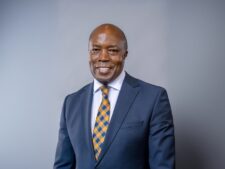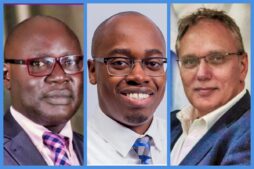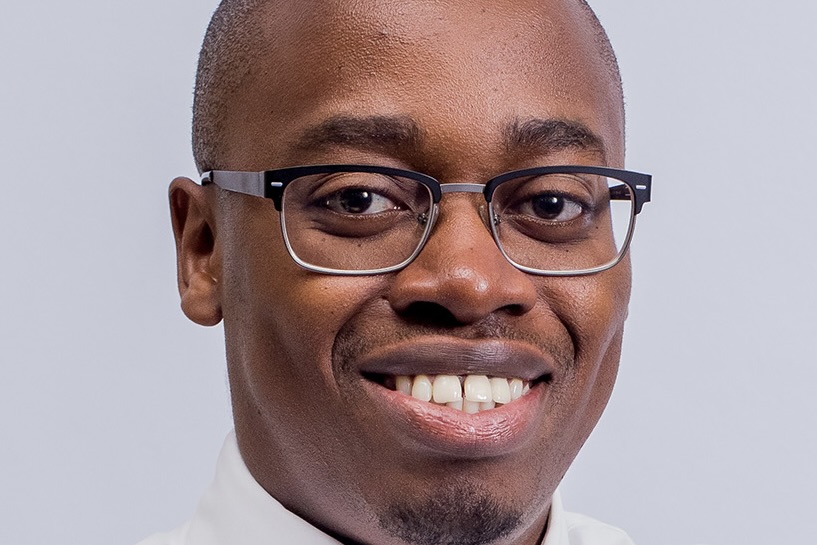
Dr. Davis Musinguzi was once hailed as a visionary for pioneering Uganda’s telemedicine frontier with Rocket Health — a bold venture that sought to redefine how millions of Ugandans accessed healthcare. As a medical doctor and tech enthusiast, Musinguzi saw what many didn’t: that the future of healthcare lay not just in hospitals but in homes through screens, data, and digital platforms. Together with a team of equally ambitious co-founders, he transformed a humble WhatsApp consultation service into one of the most recognisable and trusted digital health brands in East Africa.
During the COVID-19 pandemic, Rocket Health became a lifeline for patients and a beacon of innovation across the continent. Its 24/7 teleconsultations, lab sample collection, medicine delivery, and AI-enabled triage tools made it a darling of global investors. By 2022, it had secured $5 million in Series A funding from world-class backers like Creadev, signalling the confidence many had in Davis and his vision.
But behind the innovation and applause, a slow, devastating breakdown occurred. A toxic mix of poor governance, unchecked ego, boardroom standoffs, financial irregularities, and internal rebellion gradually unravelled everything Davis had built.
By August 2024, Musinguzi’s time was up — he was fired from the company he had built, led, and nearly destroyed.
What went wrong?
CEO East Africa Magazine has obtained exclusive details of a story full of ambition, betrayal, corporate intrigue, and the painful lessons of a rarely talked-about latent epidemic in the startup ecosystem and founder-funder relationships—founder syndrome.
The Rise: From Idea to Healthcare Disruption
Rocket Health wasn’t born in a lab or boardroom — it was born out of frustration with Uganda’s overstretched and inefficient healthcare system. In 2012, Dr. Davis Musinguzi, then a young medical doctor with a keen interest in digital solutions, teamed up with four other professionals — Dr. John Mark Bwanika (COO), Dr. William Lubega (CMO), Fiona Nuwamanya (CFO), and Hope Fortunate Achiro (Chief Pharmacist) — to launch what would become Uganda’s first fully-fledged telemedicine company. At the time, the idea of consulting a doctor over WhatsApp or getting lab tests done at home was practically unheard of.
Their early version of Rocket Health was humble but ambitious. Patients could reach doctors remotely, prescriptions could be filled and delivered, and sample collection was done from the comfort of homes. For a country where queues at health facilities could stretch for hours and where rural access to specialists was almost non-existent, Rocket Health offered hope — and efficiency.
Rocket Health’s financial performance prior to COVID-19 was modest but steady, with the company operating largely as a lean, founder-led startup. While precise revenue figures for 2018–2019 are not publicly disclosed, a few indicators help paint a picture of the pre-pandemic financial landscape.
According to well-placed sources within the company, Rocket Health was generating between UGX 300 million to UGX 400 million per month prior to the pandemic— approximately UGX 3.6 billion to UGX 4.8 billion(approximately USD 1 million to USD 1.3 million in 2019 exchange rates).

The company’s largest pre-COVID contract was the 2015 USAID-funded project, which allowed it to scale its services to over 50 districts in Uganda. That project not only validated the business model but also bolstered its early revenue base, allowing for further private-sector partnerships, such as with UAP Insurance.
The breakthrough came during the COVID-19 pandemic. With lockdowns in place and hospitals overwhelmed, Rocket Health’s user numbers surged. The company experienced a 450% increase in demand between 2020 and 2021, offering critical services to thousands stuck at home. The team quickly scaled operations — expanding labs, hiring medical staff, and launching new digital tools.
In March 2022, the company reached a new milestone: a USD 5 million Series A investment led by Creadev, the investment firm of France’s billionaire Mulliez family. Other investors included LoftyInc Capital and Grenfell Holdings. With this cash injection, Rocket Health outlined a bold expansion plan — setting up a physical hub in Gayaza, launching a wholesale pharmaceutical warehouse in Bugolobi, entering the Kenyan market, and building a proprietary app to serve millions.
Internally, the founders celebrated the deal as a vindication of a decade-long journey. Davis, in particular, saw it as a moment of arrival.
“The future of healthcare in Africa is digital,” he declared in an interview at the time. “With the right technology, we can break down barriers, reduce wait times, and ensure that everyone, regardless of where they live, has access to the best medical care possible.”
Rocket Health was not just a startup anymore — it was a flagship of Uganda’s health-tech revolution.
The USD 5 million Series A investment led by Creadev in March 2022 was a game-changer for Rocket Health — but it came with conditions. According to internal disclosures and investor interviews, the deal included strict financial performance milestones, particularly on monthly revenue targets averaging UGX 800 million (approx. USD 215,000 at the time). These benchmarks were intended to push Rocket Health from being a fast-growing startup into a commercially scalable healthcare business capable of regional expansion. The investment terms required not just growth in patient volumes but improvements in unit economics, reduced burn rate, and conversion of grant-supported services into self-sustaining revenue streams.
In return, Creadev promised more than just capital. The Series A was positioned as “the first tranche” of a larger financial commitment. According to insiders, if Rocket Health met its performance milestones, it stood to receive a follow-on investment—reportedly up to USD 12 million in subsequent rounds after 2 years and another USD 20,000,000 after that. These funds were earmarked for scaling into Kenya, upgrading technology infrastructure, and building a vertically integrated health system across East Africa.
The new investment also saw a change in the shareholding structure, which quietly but significantly shifted the balance of power at Rocket Health. Creadev secured a 25% stake, becoming the largest single shareholder. While the founding team retained a collective majority — with Dr. Davis Musinguzi holding 18% and his co-founders Dr. John Mark Bwanika, Fiona Nuwamanya, Hope Achiro, and Dr. William Lubega combining for about 33% — the real leverage had shifted. Institutional investors, including Grenfell Holdings (10%) and LoftyInc Capital (7–10%), now controlled a sizable chunk of the cap table, bringing their combined stake to approximately 40–45%. A small portion, roughly 2–3%, was set aside for early staff and advisors under an employee share ownership plan (ESOP).
The Crisis: Cash Burn and Investor Tensions and Leadership Breakdown
By late 2022, it was clear that Rocket Health’s post-COVID momentum was not translating into the kind of growth its investors had anticipated. While the pandemic had temporarily driven revenues to record highs — with monthly peaks touching UGX 600 million — the post-lockdown stabilisation saw numbers flatten. According to another insider source, the company’s average monthly revenue settled at around UGX 500 million, well short of the UGX 800 million per month performance milestone tied to the Series A investment from Creadev.
Yet, the company’s cost base — inflated by new hires, ambitious infrastructure projects, and geographic expansion — remained stubbornly high. With operating expenses outpacing income and a burn rate rising fast, Rocket Health’s runway began to shrink alarmingly. Cash reserves dipped, and key investors started expressing concern. “We were bleeding,” said one insider. “Revenues weren’t growing fast enough, and we were overextended.”
Creadev, which had backed the company on the promise of scaling regionally and commercially, signalled the need for immediate governance reforms. By early 2023, the investor recruited a new Board Chairperson, Dr. Jacqueline Kitulu, a highly respected healthcare governance expert and former President of the Kenya Medical Association. At the same time, the company appointed Stephen Dimba Odhiambo as Chief Commercial Officer, bringing in a track record from fintech and digital payments, including stints at KCB Bank, Kopo Kopo, and Izwe Loans.
However, the most dramatic decision was yet to come — and it would set off an internal power struggle. Creadev concluded that Rocket Health needed a new CEO to navigate the company through its next growth phase and restore investor confidence. According to insiders, a USD 15,000 executive search was commissioned to identify top-tier talent for the role. The preferred candidate was Diana Adeyemi, a well-regarded commercial leader with experience scaling digital ventures in East Africa. However, the search hit a wall when Dr. Davis Musinguzi refused to endorse the appointment. He stalled decision-making for weeks, never formally declined, but allowed the process to wither — until Diana pulled out altogether.
The fallout from the failed CEO hiring in mid-2023 marked a turning point in Rocket Health’s internal governance battles. Behind closed doors, tensions that had simmered for months between the founders and institutional investors exploded into full-blown shareholder and boardroom warfare. While the board had unanimously endorsed Diana Adeyemi — a seasoned commercial operator — to take over as CEO, Davis Musinguzi, still clinging to executive control, refused to greenlight her appointment. The passive-aggressive delay tactics created frustration across the board and led to serious questions about Rocket Health’s ability to transition into a professionally governed company.
Amid this dysfunction, Dr. Jacqueline Kitulu, who had joined in January 2023 as Board Chairperson to help stabilise and professionalise the company, tendered her resignation around October–November 2023. According to company insiders, Kitulu cited persistent internal resistance, poor communication from executive leadership, and a toxic atmosphere that rendered the board’s oversight ineffective. Her resignation was significant — not only was she the first board chair in Rocket Health’s history, but this was the first board she had ever resigned from in her professional career. Around the same time, Stephen Dimba Odhiambo, the newly hired Chief Commercial Officer who had been brought in to lead Rocket’s commercial turnaround, was also dismissed.
“That moment broke something,” said one executive close to the board. “The investors had tried to work with Davis. But when he blocked a CEO appointment they had fully backed, it became clear that this wasn’t just a business issue — it was personal.”
With revenue targets slipping, trust eroding, and boardroom tension escalating, Rocket Health was quickly losing altitude. Salaries began to delay. Creditors were circling. Tax liabilities, including a UGX 1.5 billion bill from URA, piled up. And the leadership crisis deepened into what one board member later described as “a slow-motion collapse”.
The Merger: A Lifeline or a Takeover?
By mid-2023, it had become increasingly clear to Dr. Davis Musinguzi that the ground beneath him was shifting. The failed CEO hiring, the resignation of the board chairperson, the firing of the Chief Commercial Officer, and growing shareholder frustration had all but signalled that his executive grip on Rocket Health was loosening. With governance reforms gaining momentum and investor patience waning, Davis began what insiders describe as a campaign of passive resistance. He no longer actively blocked decisions — instead, he delayed them, failed to execute resolutions, and disengaged from critical operations. Emails were left unanswered, board discussions unresolved, and key approvals consistently deferred. As one insider described it, “It was governance by stonewalling.”
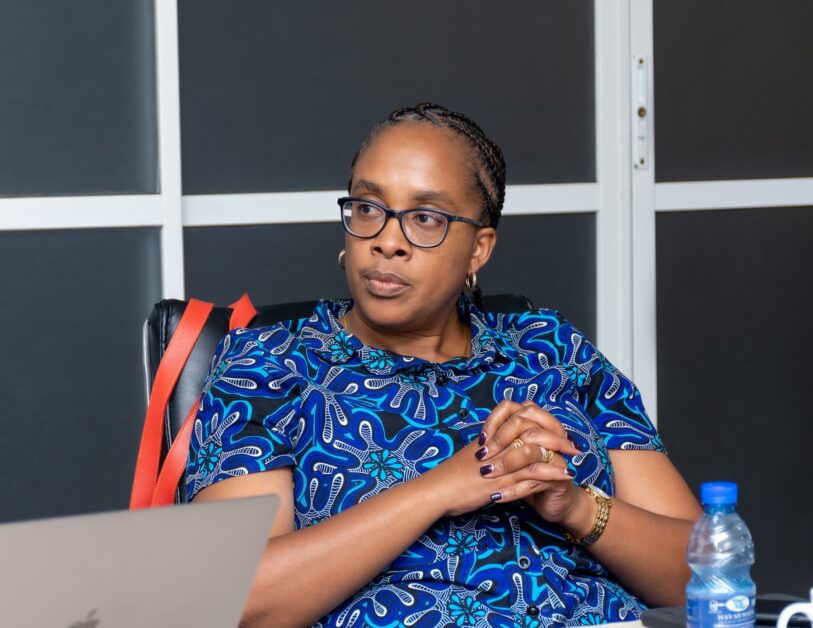
For Creadev, the lead Series A investor who had injected USD 5 million into Rocket Health with a promise of regional expansion, the situation was untenable. The investors had backed Rocket Health to scale across East Africa, especially into Kenya, and deliver commercial returns on the back of pandemic-fueled success. But with Rocket’s growth stagnating, internal battles raging, and monthly revenues stuck around UGX 500 million — well below the UGX 800 millionmilestone — Creadev began exploring alternative strategies to salvage its regional healthcare vision.
It was at this critical moment that a solution began to take shape: merge Rocket Health with MYDAWA, a larger, better-funded digital health company headquartered in Kenya. MYDAWA, backed by Alta Semper Capital, had just completed the acquisition of Guardian Health, a chain of 19 retail pharmacies in Uganda. With a growing network, physical assets, and pharmaceutical depth, MYDAWA had scale. What it lacked was Rocket Health’s teleconsultation technology, medical team, and digital health infrastructure.
Rocket Health’s co-founders were informed of the proposed merger with MYDAWA in phases, not as equal partners in negotiation, but increasingly as passengers in a journey they hadn’t chosen. The initial conversations began discreetly between Creadev and MYDAWA’s leadership, with input from Grenfell Holdings and LoftyInc Capital, who were also strongly in favour of the merger. For these institutional investors, the rationale was clear: Rocket Health was underperforming, its internal governance had broken down, and its financial runway was rapidly shrinking. A merger with MYDAWA — which had scale, structure, and capital — represented the only viable route to preserving some value from their investments.
However, the mood was strikingly different among the individual co-founders. To them, the proposal triggered alarm bells. Initially, the co-founders resisted the deal, especially Dr. Davis, raising questions about valuation, timing, and structure. They proposed alternative financing strategies, including reviving conversations with Iungo Capital, which had expressed interest in a bridge round to keep Rocket Health afloat. Others suggested a scaled-down turnaround strategy to cut costs, refocus on core services, and regain operational footing without giving up the company. But those options required time and capital — neither of which the original Rocket Health co-founders had.
“They had two options: to either go into the merger or to wind down the company. In fact, Dr. Davis wanted the company to wind down. He was so convinced that he would rather die than merge,” said another source, adding: “The original co-founders together owned 51%, and the institutional investors together held 49%. So, every time there was a vote, the original co-founders always won, but it was not taking the company anywhere. The institutional investors had the money, and the shareholders didn’t have money at a time they wanted it badly”.
The merger was finally signed in August 2024.
Following the merger, Rocket Health’s original individual co-founders were absorbed into the newly restructured MYDAWA Group, with the entire group assigned a combined 4% stake in the merged entity.
The revised cap table saw Alta Semper Capital, the major investor in MYDAWA, take the lion’s share with 50%, followed by Neil O’Leary/Ion Equity at 28%, and Creadev — who had injected an additional USD 3 million post-merger — rising to 11.8%.
AAIC Investment, one of the investors in MYDAWA, held 2.7%, and Grenfell Holdings now had 1.4%.
The new entity was reportedly valued at over USD 35 million. This would put the value of the Rocket Health holding at about USD 1.4 million.
The Breaking Point: Davis Goes Totally Rogue, Even Steals USD 57,000
If Davis Musinguzi’s earlier conduct had been defined by passive resistance — stalling board decisions, obstructing executive hires, and undermining governance — what followed the merger vote was nothing short of full-blown sabotage. Though he had voted in favour of the merger, reportedly recognising the inevitability of the deal, it soon became clear that he was not prepared to accept its consequences.
In the days and weeks that followed the board’s approval of the MYDAWA merger, Davis’s resistance escalated dramatically. According to insiders, he began systematically withholding access to critical information systems such as SAP finance system, internal email servers, and other tools necessary for a smooth operational handover. What had previously been delays and non-communication turned into intentional sabotage of the company’s digital backbone.
The active sabotage aside, the most jarring blow came when he withdrew USD 57,000 in cash from Rocket Health’s Kenyan account — without board approval, without notifying the CFO, and at a time when the company was already reeling from operational chaos.
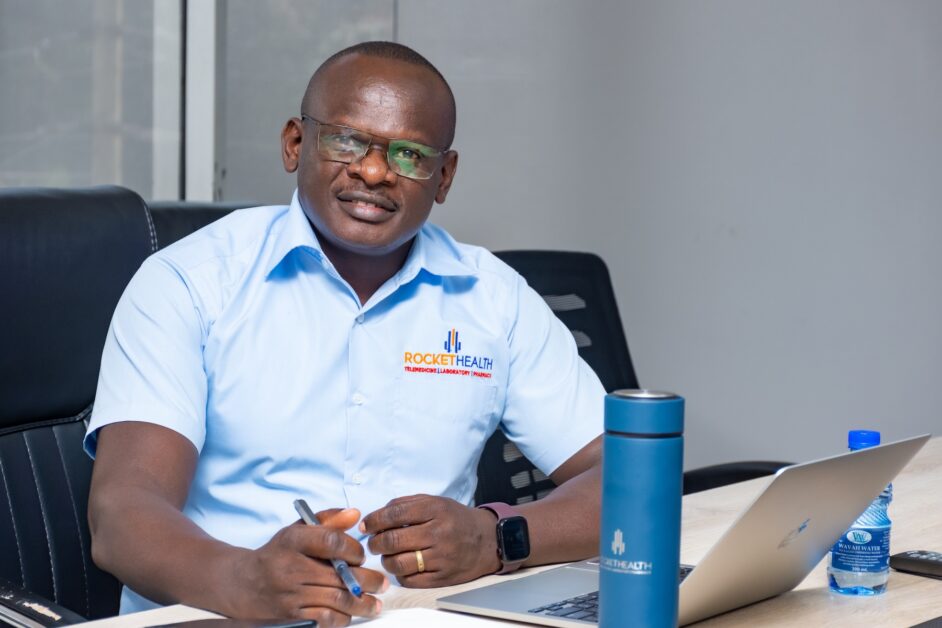
The funds were reportedly earmarked for staff salaries, and the timing was critical: Rocket Health was in the midst of finalising sensitive handovers, and the merger had just unlocked an additional USD 3 million from Creadev to stabilise cash flows and pay off critical liabilities. Davis’s unauthorised transaction — described by sources within the company as “the most critical tough time” — violated every principle of corporate governance and fiduciary responsibility.
“He drew it in cash and walked,” a source recounted. “The new board engaged him, asking why he took the money without informing the CFO. He wasn’t responsive.”
The transaction triggered immediate concern from the investors, board and senior management. When confronted for accountability, Davis went silent. His phone was off, and emails bounced. For several days, the company’s CEO was completely unreachable—even to the board and legal representatives.
In response, Rocket Health’s board moved swiftly. Davis was formally relieved of his executive duties in August 2024 and placed on a mandatory off-site notice period.
Following his dismissal, he initiated another round of digital disruptions. He refused to share access credentials and took offline a total of 11 active systems, triggering a company-wide blackout. Communication broke down. AWS access was blocked. Financial data — much of it stored under his personal credentials — was lost and, in some cases, permanently deleted, forcing MYDAWA and Rocket’s legal teams to engage directly with Amazon Web Services (AWS) to retrieve ownership of critical data — much of which was found to be corrupted or permanently deleted. Internal communications, financial history, and even lab service records were compromised.
According to AWS, only a court order or a death certificate would compel access recovery.
“He went rogue on the entire company — including his co-founders,” an insider source confidently told CEO East Africa magazine, adding: “No one can comprehend it. We were being held hostage.”
We understand that Dr. Davis later attempted to sue for USD 408,000 in damages and USD 500,000 for shares, but his legal team withdrew representation after reviewing the evidence.
Some sources suggest that Creadev is considering suing him, but when we reached out to Creadev’s Pierre Fauvet, the Managing Director for Africa, and Tom Rostand, the Senior Investment Director, for a comment on the entire episode, they were non-responsive.
Despite repeated attempts to obtain his side of the story, Dr. Davis Musinguzi did not respond to our inquiries. Over a period of more than two months, CEO East Africa Magazine reached out directly and through several of his close-known associates, offering him the opportunity to comment, clarify, or challenge any part of the unfolding narrative. He did not respond to emails, phone calls, or messages — and no formal statement has been issued from his side.
As of publication, his silence leaves many questions unanswered — particularly around the USD 57,000 cash withdrawal and his conduct during the merger transition.
The Rebirth: Rocket Health 2.0?
The merger between Rocket Health and MYDAWA, despite its controversial lead-up and painful dilution for the founders, has given birth to what may well be East Africa’s most integrated digital health powerhouse. The deal was not without trade-offs, but when measured against Rocket Health’s financial distress, internal governance breakdown, and looming insolvency, it increasingly appears to have been the best win-win scenario for all stakeholders.
On the pro side, the merger rescued Rocket Health from collapse. Staff salaries, which had been in arrears, were paid. Tax liabilities amounting to UGX 1.5 billion were absorbed. Patients experienced continuity in service. The Rocket Health brand — long admired for its innovation and reliability — found new strength within a broader infrastructure. MYDAWA, with its robust supply chain, pharmacy network (through its Guardian Health acquisition), and access to long-term capital via Alta Semper Capital, brought financial muscle and operational depth that Rocket Health had long lacked.
Creadev, once at risk of losing its entire USD 5 million investment, retained relevance in the new entity with an 11.8% stake, thanks to its additional USD 3 million injection post-merger. Although diluted to less than 4% combined, the former Rocket Health co-founders now own a small piece of something big. While their individual equity stakes shrank dramatically — from over 50% collectively pre-merger to fractions of a cent in the MYDAWA Group — they are now shareholders in a much larger, better-capitalized, and regionally expanding healthcare giant valued at USD 35 million.
In startup terms, they traded majority control of a struggling company for minority equity in a thriving one.
“With real funding and structure, Rocket is working better than it ever did under the co-founders,” one of the co-founders admitted in an interview.
In the eyes of Neil O’Leary, MYDAWA’s Founder and Chairman, the acquisition of Rocket Health wasn’t just a rescue mission but a transformation. Under his leadership, the company has rapidly evolved from a financially distressed telehealth startup into a core component of one of Africa’s fastest-growing hybrid healthcare platforms.
“The challenge Rocket Health faced was scaling,” O’Leary explained. “With Guardian Health’s existing customer base, we are now able to combine telemedicine with in-person pharmaceutical services, creating a seamless healthcare experience for patients.”
This integration, O’Leary notes, has already yielded results.
“December 2024 was Rocket Health’s best-performing month ever,” he said — a notable achievement for a company that, just months earlier, was facing a possible shutdown.
Beyond stabilising performance, MYDAWA has repositioned Rocket Health to address long-term patient needs through chronic care management, a pivot from its original focus on acute consultations.
“We are now transitioning Rocket Health into a platform for managing long-term conditions such as diabetes, hypertension, and cardiovascular diseases,” he shared.
This realignment not only improves patient outcomes but also appeals to insurance providers focused on cost-effective, preventive care — a critical step in scaling sustainable health services across the region.
And with sights set beyond Uganda, O’Leary confirmed:
“We plan to deploy Rocket Health’s telemedicine technology in Kenya, further scaling digital healthcare services in the region.”
Backed by deep-pocketed investors, including Creadev, Alta Semper, and AAIC, MYDAWA is now positioned to scale its hybrid model — blending digital health with pharmacy networks — across East Africa and beyond.
“We are now at a stage where MYDAWA is one of the best healthcare models in Africa, if not the best,” O’Leary concluded. “With our investors, strategic acquisitions, and focus on patient-centric care, we are well on our way to becoming a dominant force in African healthcare.”
For Rocket Health’s patients, employees, and even its founders-turned-minority shareholders, the message is clear: the company may no longer be founder-led, but it is finally operating at the scale and stability they always hoped for — and delivering more than ever before.
Financially, the merged MYDAWA entity was valued at USD 35 million at the time of acquisition, but insiders and investors expect that figure to triple to over USD 100 million in the coming years, fueled by aggressive regional expansion, vertically integrated services, and fresh capital from global backers like Alta Semper Capital. In this context, the Rocket founders gave up control of a distressed but promising startup to gain equity in a rising regional powerhouse.
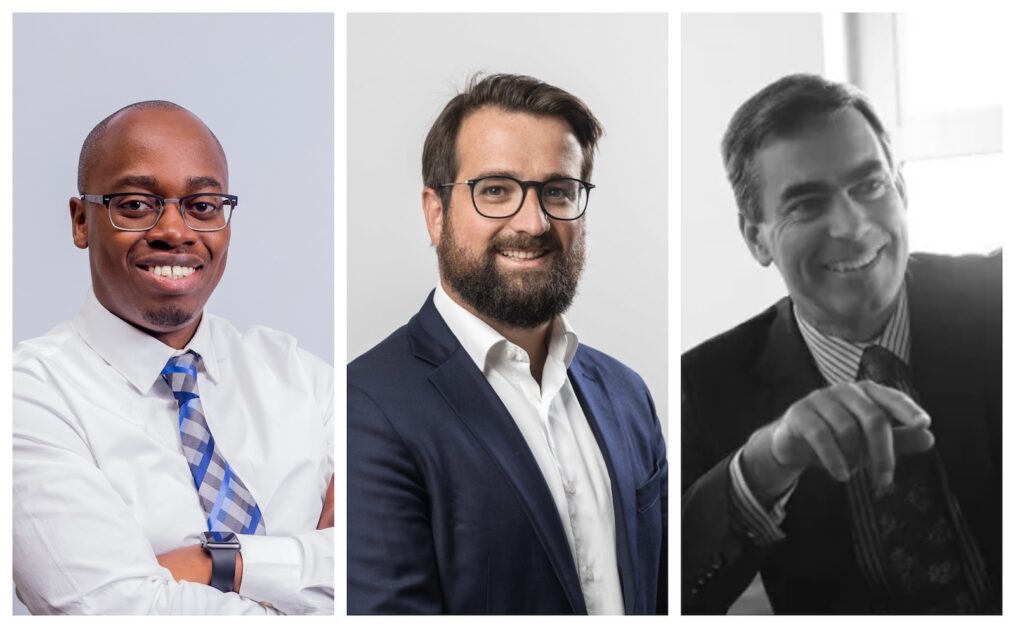
The upside may be longer-term, but it’s real — especially if MYDAWA continues its current growth trajectory and eventual exits (whether via strategic acquisition or IPO) are realised.
On the con side, the transition, while financially sound, has erased founder control, vision, and long-term upside. It also came at a steep emotional and equity cost for the founding team, who have all since been quietly exited, including Dr. Davis Musinguzi, who was fired under a cloud of controversy.
in the broader context, however, the merger was the most viable path forward. Rocket Health was out of time, out of cash, and out of strategic options. The alternative was a total shutdown, a liquidation of brand equity, and the loss of investor capital, jobs, and services.
“With real funding and structure, Rocket is working better than it ever did under us,” one co-founder admitted to CEO East Africa Magazine, adding: “The dream didn’t die — it just moved house.”
In its new form, Rocket Health 2.0 is no longer a scrappy startup. It is part of a regional health-tech juggernaut poised to reshape how healthcare is delivered across East Africa. The merger wasn’t perfect, but given where Rocket Health had reached — financially, operationally, and structurally — it was the best deal for everyone involved.
Epilogue: The Founder’s Paradox, Ego and Lessons
The story of Dr. Davis Musinguzi and Rocket Health is a masterclass in the complexities of building, leading — and eventually letting go of — a company. What began as a bold, visionary response to Uganda’s healthcare access crisis ended in a cautionary tale of founder ego, governance failure, and the high cost of clinging to control. Davis had the foresight to pioneer telemedicine before it was fashionable, the charisma to attract talent and capital, and the courage to serve where systems had failed. But in the end, those same traits — unyielding conviction, centralised decision-making, and personalisation of the brand — became Rocket Health’s greatest vulnerability.
The paradox of the founder is this: the same qualities that birth a disruptive company often become the very traits that hinder its maturity. Davis resisted change, fought off governance reforms, sabotaged transition processes, and ultimately compromised the company’s ability to move forward without him. His refusal to step aside when the stakes demanded it didn’t just cost him his seat — it nearly cost Rocket Health its future.
And yet, there is no denying the legacy he leaves behind. Rocket Health, now part of the MYDAWA Group, is stronger, more structured, and better resourced than ever. Under new leadership, it’s expanding services, improving performance, and setting the standard for hybrid healthcare delivery in East Africa. The dream didn’t die. It outgrew its founder.
The biggest lesson for founders? Vision alone is not enough. Capital changes the game. Governance protects the dream. And sometimes, letting go is the only way the mission survives. As Rocket Health 2.0 accelerates toward a USD 100 million future, the founders watch from a distance — still part of the story but no longer writing the script.
It’s a story of brilliance and burnout, of triumph and loss.
It’s the founder’s paradox — writ large across the East African startup scene.