The bill for creating the Uganda National Roads Authority (UNRA) was passed by the Parliament of Uganda in May 2006 and assented to by the President in June 2006. The Board of Directors were appointed in January 2007. Thereafter, the Executive Director was appointed in November 2007. UNRA became fully operational on 1st July 2008 as a semi-autonomous performance-based road authority. On 6th November 2024, after a run of 16 years, Parliament passed the repeal bill of the UNRA Act as part of a broader government program called Rationalisation of Agencies and Public Expenditure (RAPEX).
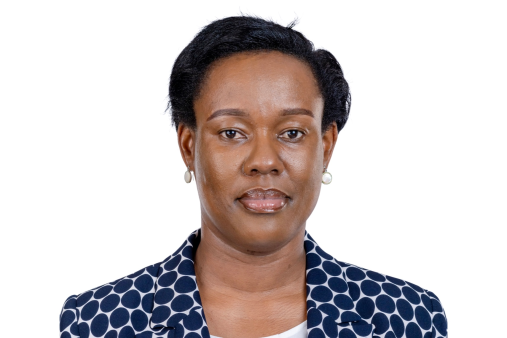
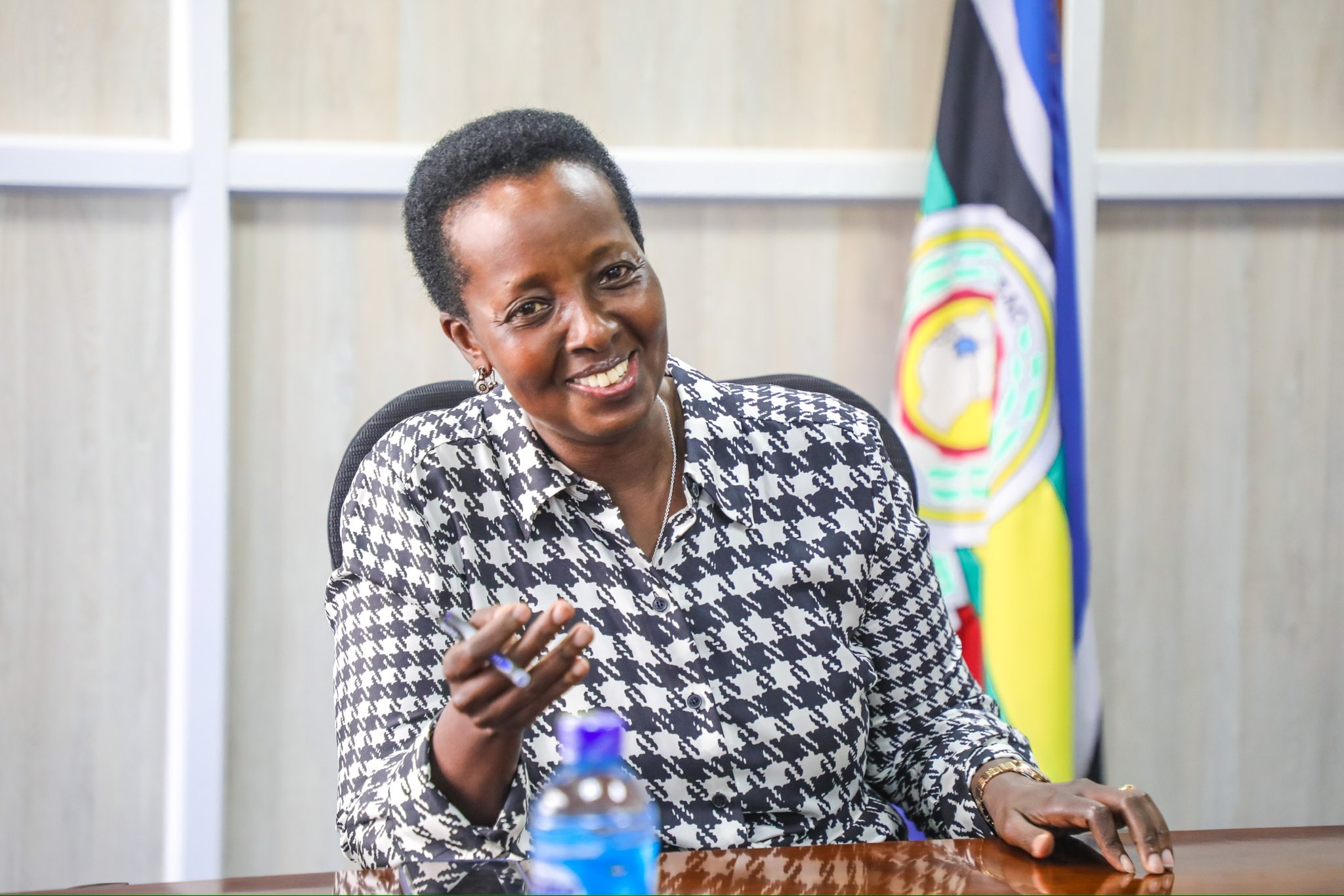
The 16 years can, at best, be divided into two phases: the years between 2008 and 2015 and the period after 2015, when Allen C. Kagina, the ex-Uganda Revenue Authority (URA) Commissioner General, was appointed to oversee UNRA’s mandate—to develop and maintain the national roads network, advise the Government on general roads policy, and contribute to addressing transport concerns.
Before that, the Gayaza High School, Makerere University and University of Liverpool educated Kagina from 2004 until 2014, was the Commissioner General of the Uganda Revenue Authority (URA).
UNRA Before Kagina: The Challenges
Between 2008 and 2015, UNRA made significant progress in road and bridge construction. The authority oversaw 3,198 kilometres of road upgrades, 2,222 kilometres of rehabilitations, and 67 bridges. Despite these achievements, several challenges, such as integrity and governance issues, inadequate systems, resource constraints, and cost overruns, plagued the institution.

These challenges partly led to Allen Kagina’s appointment to the roads authority; thus, her work was cut out from day one, and institutional reform to improve service delivery, accountability, and operational efficiency was essential.
The Kagina Transformation: A Leadership Renaissance
When Allen C. Kagina assumed leadership in May 2015, she inherited an institution marred by inefficiencies but poised for change. During her tenure, she introduced comprehensive reforms in governance, staffing, operational models, and stakeholder engagement.
- Restructuring and Governance Overhaul: Kagina’s leadership ushered in structural reforms to enhance accountability and efficiency. The management team transformed into a dynamic, results-driven unit by reworking the governance framework and reporting structures.
- Enhanced Staffing and Integrity: Under Kagina, UNRA’s staffing grew from 1,007 to 1,393 employees by 2024. Recruitment was based on competence, emphasising building a culture of integrity. Staff development programs empowered teams to manage complex projects in-house, reducing dependency on external contractors.
- Adoption of a Hybrid Operating Model: Between 2008 and 2014, UNRA had a predominantly outsourcing-driven operational model, with a staff strength of 1,007 against an approved structure of 1,109. This model faced inefficiencies due to limited in-house capacity to supervise outsourced projects. But between 2015 and 2024, Hybrid Kagina ran a blend of in-house capacity and outsourcing to the private sector. This approach allowed UNRA to execute smaller projects while directly enhancing supervision over large-scale contracts. By 2024, the staff strength increased to 1,393 against an approved structure of 1,899. This shift also enabled UNRA to supervise projects more effectively and save billions in costs.
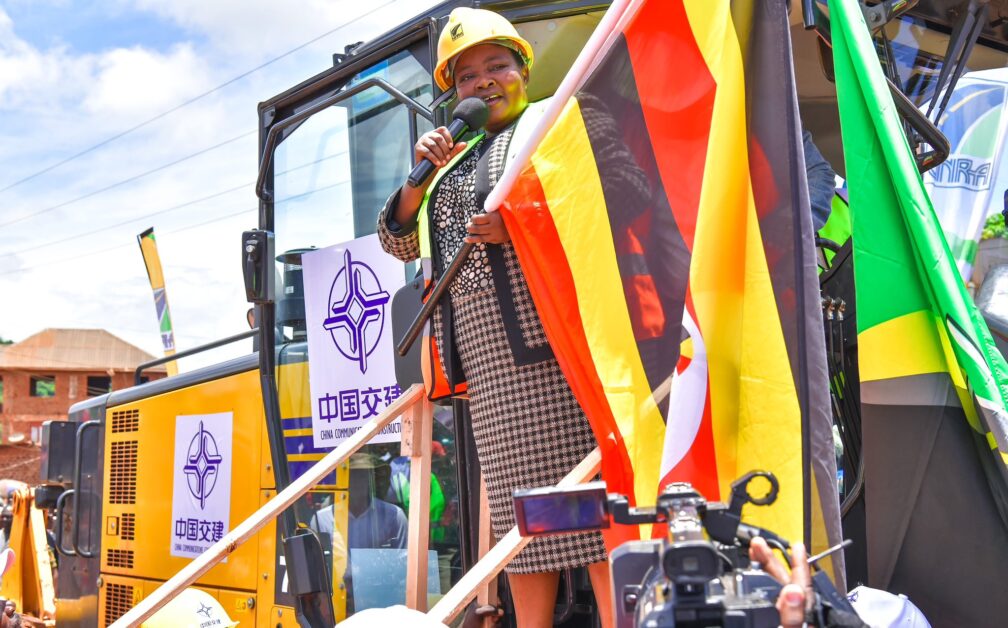
This reorganisation also enhanced efficiency by reducing delays and cost overruns, with in-house supervision saving UGX 269 billion by 2024. The in-house capacity building created cross-functional teams that enabled knowledge transfer and built local expertise, preparing Ugandan contractors to compete with international firms.
Achievements: Milestones of the Kagina Era
According to the handover report prepared by UNRA during the 9 years of Kagina’s leadership of UNRA, yielded several achievements and milestones, namely:
1. Road and Bridge Development
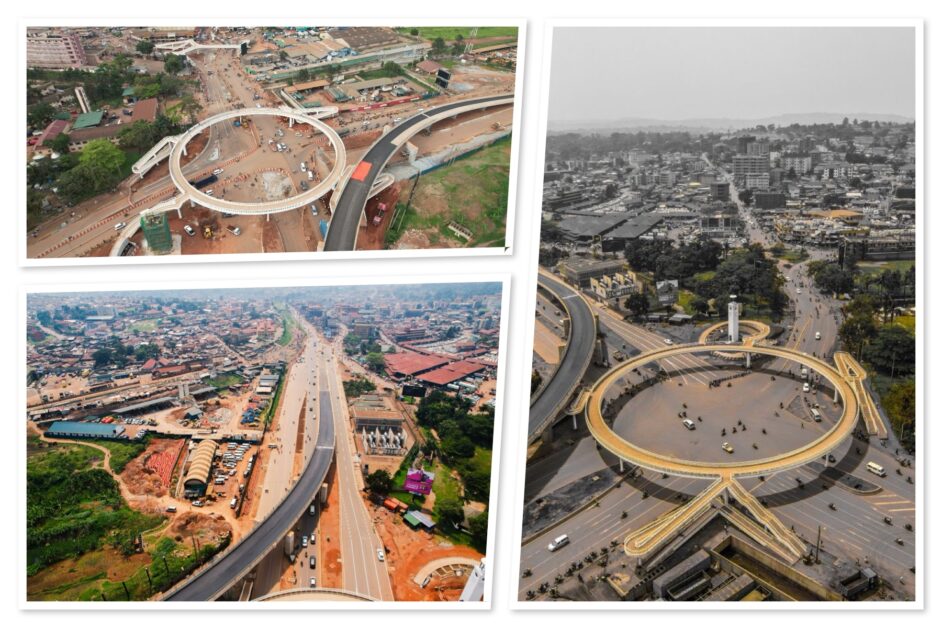
Between 2015 and 2014, Uganda’s paved road network expanded from 3,919 kilometres to 6,306 kilometres, marking a 61% increase. This growth improved national connectivity, reducing travel times and boosting economic activity. Emergency response times for road maintenance dropped to under 48 hours, ensuring uninterrupted transport during crises. UNRA also transitioned to a hybrid operating model, blending in-house and outsourced capabilities, significantly enhancing project delivery efficiency. These milestones improved access to schools, healthcare, and markets and supported Uganda’s socio-economic development by linking remote areas to key trade corridors and regional hubs.- Road Upgrades: The paved road network increased from 3,919 kilometres in 2015 to 6,306 in 2024—a 61% growth.
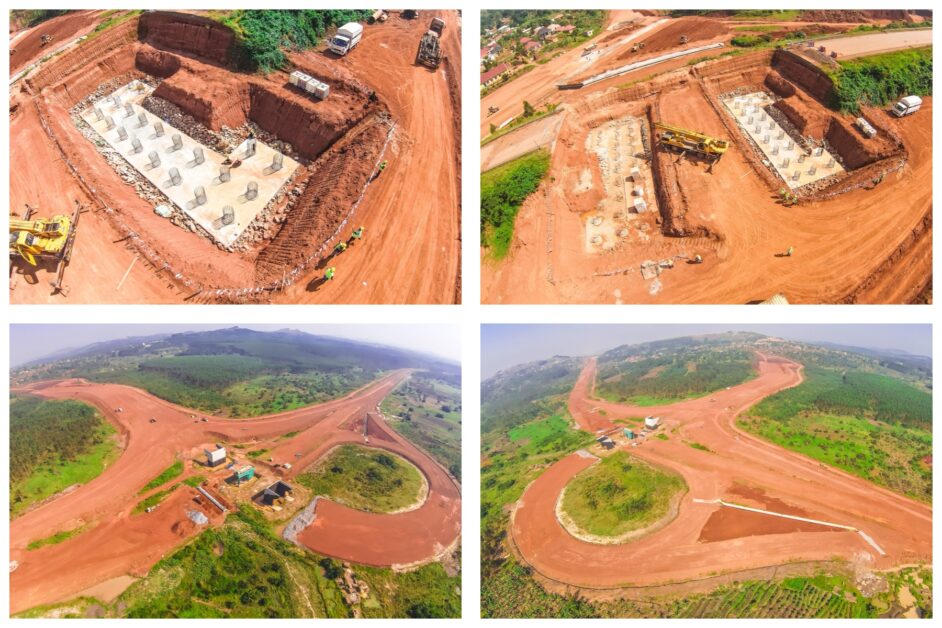
Under Allen Kagina, UNRA completed 54 bridges and initiated construction on 26 more by 2024. These included transformative projects like the Source of Nile Bridge, significantly enhancing regional connectivity, facilitating trade, and improving access to essential services, marking a pivotal 61% growth in Uganda’s transport infrastructure.
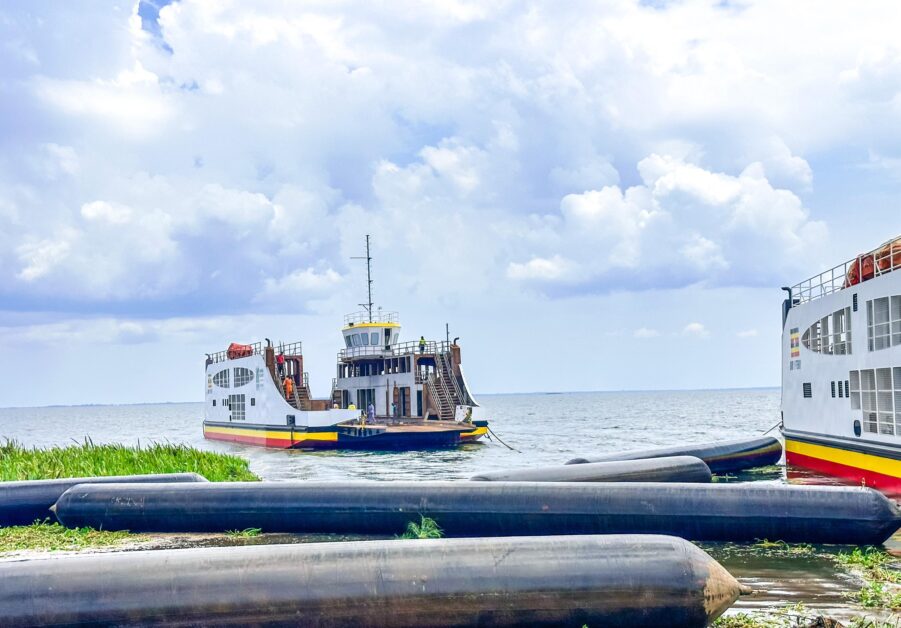
During Allen Kagina’s tenure, UNRA operated 14 ferries across 12 crossings, significantly improving connectivity for remote communities. These ferries facilitated access to schools, healthcare, and markets, boosting socio-economic development. Key crossings enhanced regional trade and integration, showcasing UNRA’s commitment to inclusive, accessible, and transformative infrastructure solutions for Uganda’s diverse needs.
2. Efficiency Gains
Under Allen Kagina, UNRA reduced cost overruns from 38% pre-2015 to 7% by 2024 through improved planning, streamlined procurement, and rigorous supervision. This saved billions and ensured timely, cost-effective infrastructure delivery. Cost overruns also decreased significantly, with average contract price increases dropping from 38% in 2015 to just 7% during Kagina’s tenure.
Compared with the projects executed by UNRA before 2015, the cost increase during project implementation was substantially reduced. The percentage increase in Contract price after 2015 ranged from 1% to 46%, with an average gain of 7%, while before 2015, it ranged from 5% to 74%, with an average increase of 38%.
UNRA also reduced emergency response times for road washouts to under 48 hours, ensuring minimal disruptions to Uganda’s transport network.
| Metric | Pre-2015 | 2015–2024 |
| Average Cost Overruns | 38% | 7% |
| Road Upgrade Projects Managed | 64 | 229 |
| In-House Capacity Savings | Negligible | UGX 269 billion |
| Emergency Response Time | Days to Weeks | 24–48 hours |
| Overloading Rate | 53.6% | 3.3% |
| Percentage of Paved Roads in Good Condition | 77.7% | 91% |
3. Financial Impact
Thanks to its focus on optimising resources, enhancing revenue generation, minimising waste, and fostering financial sustainability, UNRA improved its financial health and ensured better value for money in delivering infrastructure projects.
Key Areas of Financial Impact include:
Revenue Generation
- Entebbe Expressway Tolling System: Revenue collections grew from UGX 16.5 billion in FY 2021/22 to UGX 43.3 billion in FY 2023/24, with a cumulative UGX 97.5 billion collected in the first three years.
- Fines from Overloading: Stricter enforcement of axle load limits resulted in penalties totalling UGX 15.5 billion between 2015 and 2024, up from UGX 2.6 billion earlier (2008–2015).

Cost Savings
- In-House Capacity Building: By increasing internal capacity to handle project conceptualisation, design, and supervision, UNRA achieved significant cost savings— UGX 269 billion saved from reduced reliance on external consultants and over UGX 65 billion saved from in-house supervision of 22 pilot bridge projects.
- Reduction in Cost Overruns: Kagina’s reforms curbed inefficiencies in project execution, reducing average cost overruns from 38% (pre-2015) to 7% (2015–2024). Improved project planning and tighter contract management prevented unnecessary financial losses.
Litigation and Legal Cost Management
- By 2024, UNRA closed 560 out of 1,050 legal cases, with 81% of the outcomes favouring the organisation. Settingtling 206 cases out of court significantly reduced legal costs, safeguarding the organisation’s financial resources. In addition, strengthened contract management practices reduced disputes, minimising the risk of costly litigation.
| Metric | Pre-2015 | 2015–2024 |
| Overloading Fine Revenue | UGX 2.6 billion | UGX 15.5 billion |
| Cost Overruns (Average) | 38% | 7% |
| Savings from In-House Capacity Building | Negligible | UGX 269 billion |
| Savings from In-House Bridge Supervision | Negligible | UGX 65 billion |
| Entebbe Expressway Toll Revenue | N/A | UGX 97.5 billion |
| Legal Cases Favorable Outcomes | Limited Success | 81% Success Rate |
4. Road Maintenance and Protection
Under Kagina, the condition of paved roads improved. By 2024, 91% were in good to fair condition, up from 77.7% in 2015.
UNRA also made significant progress in vehicle load control and asset protection under Allen Kagina’s leadership (2015–2024). This is a critical area, as vehicle overloading is a primary cause of accelerated road wear and deterioration.
Before 2015, UNRA had limited monitoring capacity. For example, between 2008 and 2015, UNRA weighed approximately 1,042,742 vehicles over six years, with an alarming average of 53.6% of vehicles found overloaded and fined only UGX 2.6 billion. However, under Kagina, UNRA UNRA weighed 8,998,917 vehicles in eight years—an eightfold increase in monitoring capacity compared to the previous era. The average overloading rate dropped from 53.6% (2008–2015) to just 3.3% (2015–2024), a remarkable improvement demonstrating the effectiveness of enhanced enforcement. UNRA also collected UGX 15.5 billion in fines during this period, reflecting stricter compliance and better enforcement mechanisms.
This resulted from the Weighbridge Network, automating the weighbridge network for real-time data collection and analysis, improving the accuracy and efficiency of monitoring. Automation also reduces human interference, curbing potential corruption and enhancing transparency.
5. Local Content Promotion
UNRA, under Allen Kagina, prioritised local content through the Buy Uganda, Build Uganda (BUBU) initiative, awarding 28% of contracts worth UGX 2.67 trillion to Ugandan firms (2017–2021). This policy fostered local expertise, created jobs, and stimulated economic growth, empowering domestic contractors to compete internationally in infrastructure development.
 Vivo Puts Two Downtown Kampala Shell Stations up for Sale Amid Congestion Concerns
The Kagina Legacy: Beyond Roads
While roads and bridges symbolise Kagina’s achievements, her legacy lies in institutional resilience and a values-driven culture. She emphasised the importance of building systems that outlive individual leaders, ensuring UNRA’s continued success regardless of future leadership.
Key highlights of her legacy include:
- Capacity Building: Staff were equipped with skills for topographic surveys, environmental assessments, and design reviews, reducing reliance on costly external consultants. By June 2024, the in-house teams had managed to prepare 107 project concept notes, carry out 88 topographic surveys, 49 Environment and Social Impact Assessments (ESIAs), 32 Resettlement Action Plans (RAP) studies, 77 designs materials investigations and testing for 61 road designs, land acquisition for 42 projects and in-house supervision of 32 road projects and 22 bridge projects.
- Cultural Transformation: A focus on ethics, transparency, and accountability restored public trust in UNRA.
Other non-road achievements include integrating advanced ICT systems, including automated weighbridges and Geographic Information Systems (GIS), for road monitoring, project management, and real-time data collection. This has enhanced transparency, efficiency, and data-driven decision-making in Uganda’s infrastructure development efforts.
UNRA also prioritised sustainability by conducting in-house Environmental and Social Impact Assessments (ESIAs), integrating eco-friendly non-motorized transport (NMT), and ensuring infrastructure projects aligned with Uganda’s long-term environmental and community development goals.
Challenges and Future Focus
Despite the transformative achievements, challenges remain. Some of the difficulties pointed out by Kagina in the handover report include funding Constraints caused by Declining Budget Allocations. Government austerity measures led to reduced budget allocations for infrastructure projects, widening the gap between approved and released funds and causing project delays. This continues to Impact Road Maintenance and creates a backlog of repairs, particularly for unpaved roads, risking accelerated road deterioration and escalating future repair costs.
Other challenges include debt accumulation caused by delayed payments to contractors, which increased UNRA’s debt obligations, affecting financial stability and increasing land acquisition costs. Resettlement issues caused by the complex land tenure system remain problematic, and legal and social disputes remain teething problems.
Limited in-house capacity for large-scale projects, inadequate maintenance capacity, and bureaucratic and regulatory challenges, especially in procurement and the judicial system, continue to hinder faster project development and impact costs.
Impact of Challenges on UNRA’s Operations
| Challenge | Impact |
| Funding Constraints | Project delays, debt accumulation, and backlog in maintenance activities. |
| Land Acquisition Issues | Slowed project execution, increased costs, and community resistance. |
| Maintenance Gaps | Accelerated road deterioration and service disparities. |
| Stakeholder Engagement | Complex negotiations and occasional public dissatisfaction. |
| Bureaucratic Delays | Slower procurement processes and litigation costs. |
| Environmental Concerns | Criticism and delays in ecologically sensitive projects. |
How We Did It: A Vision of Grace and Purpose
Reflecting on her tenure, Kagina describes the experience as one of “God’s grace.” Her role, she believes, was divinely guided, allowing her to unite a team of diverse professionals who worked harmoniously to achieve a shared vision. “When I began, there was no handover report or onboarding,” she writes in the foreword to the handover report. “Only a call to execute. I walked this path by God’s grace, trusting it was the right decision.”
This sense of purpose helped Kagina and her team weather challenges, from scepticism to resource constraints. Her approach emphasised people over processes. “My primary role at UNRA was to build people, not roads,” she says. “Once we focused on people, road building followed naturally.”
She is proud of the stronger and more resilient institution she leaves behind. “Whoever takes on this mandate inherits a solid institution that has achieved what many government agencies rarely accomplish,” she asserts. Her leadership has laid the groundwork for future success, ensuring that UNRA is “not easily shaken.”
Building Structures That Outlast Leaders
A cornerstone of Kagina’s leadership was establishing systems, policies, and accountability mechanisms that could outlive her tenure. “If we couldn’t create a structure that would outlive us, and if I only built something around myself, it would be as limited as I am,” she explains. Under her stewardship, UNRA adopted a flexible yet robust operational framework, allowing for adaptation and resilience.
By emphasising accountability and stakeholder engagement, the organisation improved Uganda’s road network and fostered economic and social development. Each paved kilometre, ferry, and bridge represents a story of transformation. Kagina shares, “Every paved kilometre, every ferry connecting communities, and every bridge revitalising the unconnected represents a story of personal transformation.”

“As we look to the future, I thank God for choosing me and blessing me with the honour of impacting the lives of Ugandans. I am grateful to be part of the transformative stories- a story of a pregnant mother gaining easy access to prenatal care, a young girl escaping early marriage because a bridge connected her to a school, and the growth sparked by a road project that boosts the skills and incomes of entire communities,” she adds.
Gratitude, Reflections and Engaging Stakeholders as Partners
Kagina says stakeholder engagement was central to her strategy. She recognised that UNRA’s success depended on active collaboration with those it served. “Stakeholders are not a box to tick,” she insists. “This relationship must be authentic and emotional, not rhetorical.”
Over the years, Kagina prioritised stakeholder engagement in budget discussions and strategic planning. This collaborative approach ensured that UNRA’s projects were implemented effectively and aligned with the needs and expectations of the communities they served. “Engaging our stakeholders has allowed us to share our journey,” she notes. “One of the key reasons we have accomplished so much together is that they are not bystanders but active participants in our success.”
As Kagina hands over the reins, she expresses deep gratitude to her team, stakeholders, and God. I thank God for choosing me and blessing me with the honour of impacting the lives of Ugandans,” she says. She also acknowledges the trust of the President of Uganda, the Ministry of Works and Transport, and other government entities.
Her appreciation extends to the staff who supported and grew alongside her vision. “I am thankful to the staff who trusted me, allowing me to lead, grow alongside them, and sometimes experiment, even when I didn’t always know the way,” she reflects. “May they always stand out and continue embracing the greatness they were destined for.”
A privilege to lead
In her final farewell letter to staff, Kagina urges her colleagues to continue pursuing the principles and lessons they learned at UNRA.
“It has been the privilege of my 9 years and 8 months to have been your team leader,” Kagina wrote, emphasising the journey of shared achievements and challenges. She encouraged her team to confidently approach the future, reminding them they are “capable and professional” and equipped to “grow from strength to strength.”
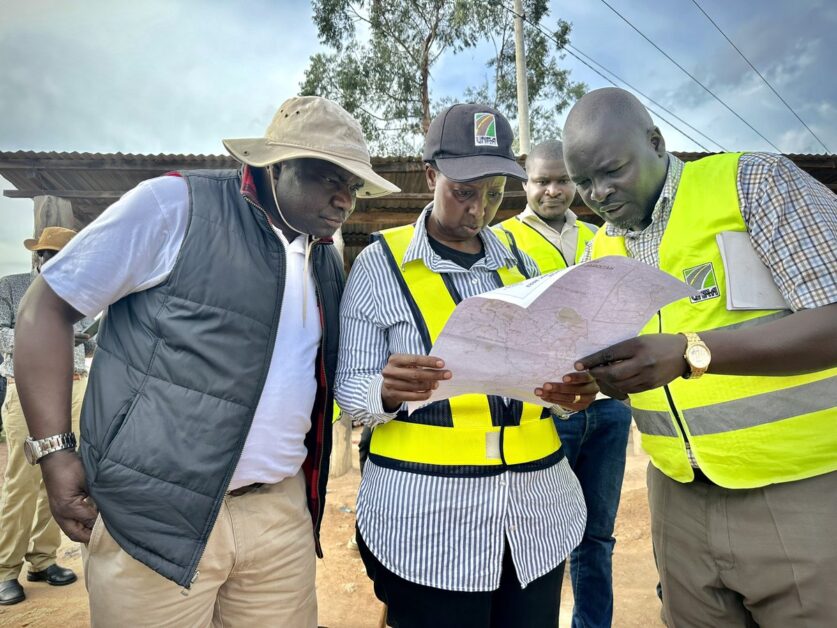
Central to Kagina’s message was the value of integrity. She advised, “Fill your time with unquestionable integrity in everything you do without exception. Let your word be true and worthy of trust, especially during challenging circumstances.” This, she noted, is the foundation for building credibility and inspiring exceptional results.
Kagina also highlighted the importance of vulnerability in leadership. “Have no shame in sharing your vulnerability,” she said, framing it as an opportunity for growth and team development. However, she balanced this with a call for decisive leadership: “Showing leadership, resolve, and making tough decisions in difficult situations are some of the most important attributes that provide an anchor for your team in the midst of a storm.”
Time management and self-reflection were also key themes in her advice. Kagina urged her colleagues to be intentional with their time, cautioning against distractions. She also urged them to “take stock of how you currently use the time you have” and “account to yourself at the end of each day how well you have used the time.”
As a final note, Kagina emphasised humility and a connection to God as sources of strength and resilience. “Identify your source of inspiration and strength. Provide adequate time to connect with your God. There is no substitute or shortcut,” she advised, adding that humility is essential for effective leadership.