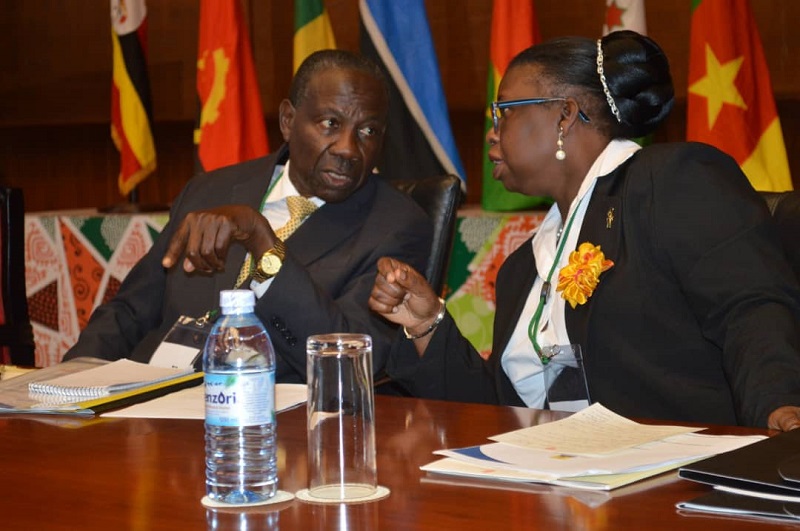
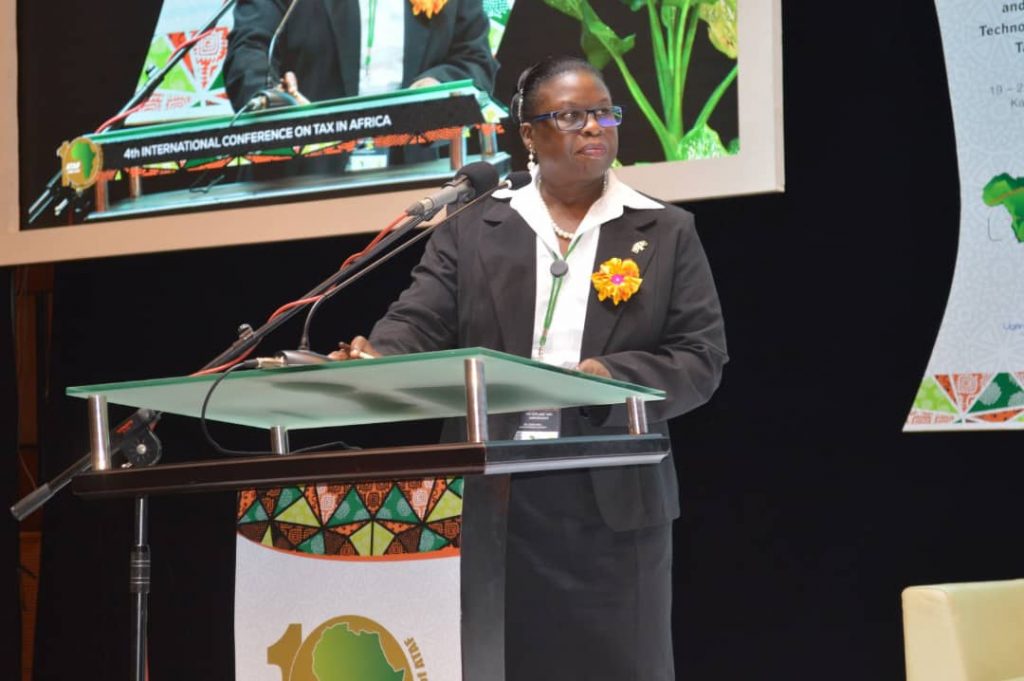
The 4th International Conference on Tax (ICTA) closed on 22nd November 2019, with tax authorities from 48 countries agreeing to work together to tax digital business; up till now hard to tax because of its unstructured nature.
The meeting, held in Kampala from 18th to 22nd November, was hosted by Uganda Revenue Authority, at Kampala Serena Hotel.
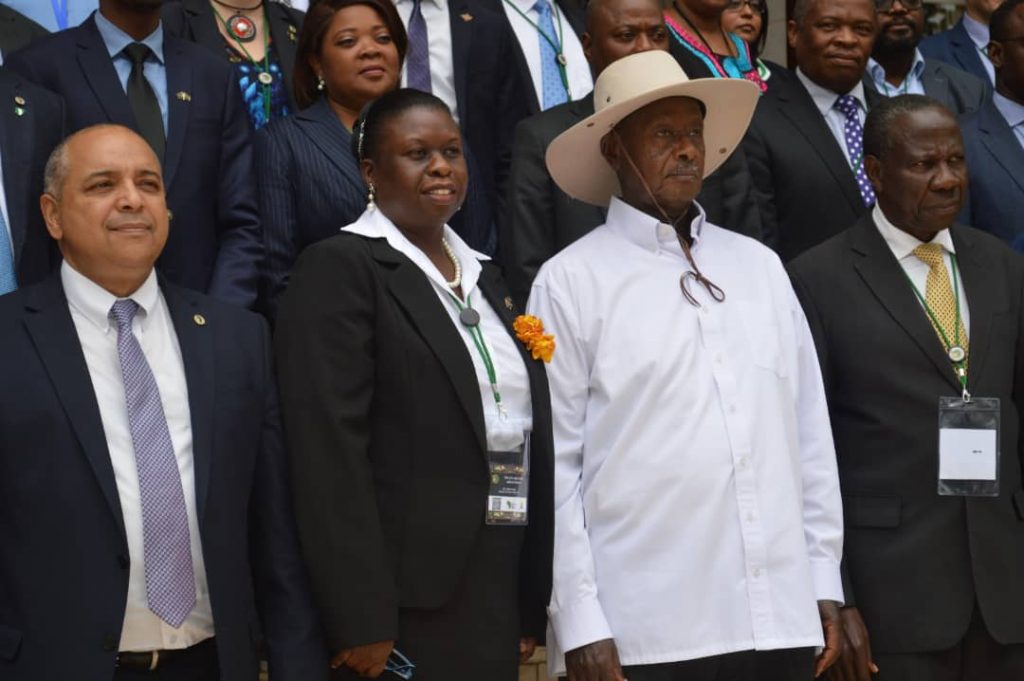
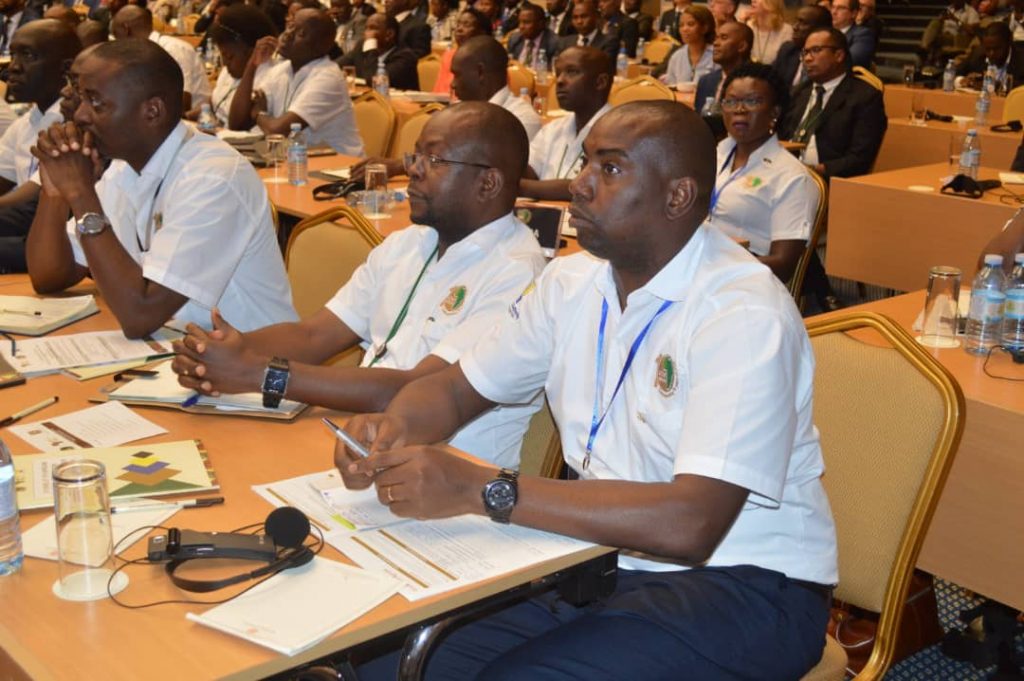
The meeting attracted 48 countries of which 37 are from Africa. Altogehter there were over 450 participants from Ministries of Finance, African Tax Administrations, Members of Parliament, Civil Society, UN, OECD, IMF, WBG, Development Partners, captains of Industry, media practitioners and other key URA partners and individual tax policy experts.
During the 4th ICTA, African Tax Administration Forum (ATAF) also celebrated its 10th Anniversary, reflecting on the past decade and future plans of the organisation in assisting African countries to boost Domestic Revenue Mobilisation efforts.
The theme of the conference was “Innovation- Digitalisation and Harnessing Technology to improve Tax systems”.
“This theme came at a time when the world, Africa in particular, is grappling with challenges on how to incorporate taxation of digital economies. Most African tax policies require a business to have a physical address in order to qualify for tax assessment. However, this is a quality that is not akin to most online businesses. Most of them are based outside Africa but offer services and get paid by people from across the world,” reads a statement issued by Ian Rumanyika, Ag. Assistant Commissioner Public and Corporate Affairs.
The key conference purpose was to deliberate on how Africa can contribute to the current global debate on new taxing rights, to ensure African countries benefit from the new global tax rules that are expected to be agreed upon in 2020, and also to discuss how African tax administrations can harness technology to improve tax systems.
“The big debate centred on challenges and opportunities for taxation in areas of 4th Industrial revolution; taxing rights in the digital era; impact of digitalisation on VAT; business perspectives on taxation in e-commerce; and the global tax debate on digitalisation,” said Rumanyika.
According to the statement released by URA, the meeting agreed that “Africa needs to develop capacities and strongly implement the Exchange of Information (as a knowledge sharing platform) because the world is highly digital, which requires revenue officials to be equipped and measure up to e-commerce dynamics.”
 Stanbic, Absa and Centenary Control Nearly Half of Uganda’s Bancassurance Market as Premiums Top UGX 302 Billion
Conference participants also called for the “need to go back to the drawing board and move away from just being enforcers and collectors of revenue and become a player in the digital economy in order to create strategies that fit within digitalisation.”
It was also agreed that policymakers at finance ministries must work together with tax administration officials to timely respond to the critical improvements required in domestic laws, tax treaties provisions, limited technical abilities, ineffective tax incentives and limited tax information exchange.
“African countries should look beyond self-interests, and work together on the challenge of taxing the digital economy, by seeing this as a common concern. In this regard, it was agreed that ATAF ought to play a vital role in supporting member countries by providing requisite technical assistance and support,” reads the statement.
Additionally, it was observed, that African countries ought to be aware that large multinationals will protect their interests over ethical considerations; “therefore, tax administration should prepare for a new wave of tax evasion tactics by investing in building the capacity of their organisations in terms of technology, people skills and data analytics.”
“Digital transactions present opportunities for tax administrations to use technology to improve service delivery, encourage voluntary compliance and improve tax compliance. Participants urged African countries to embrace new technologies of the 4th Industrial Revolution, such as block chain, which enhances trust, and artificial intelligence by exploring how these technologies can assist tax administrations to operate efficiently and effectively,” added Rumanyika in the statement.
As a result of the various changes in policy and law brought about by digitisation, participants called on African governments and tax administrations to improve engagement with the private sector noting that the private sector were essential stakeholders in the tax collection process, and that their involvement provides policymakers with a business perspective of the issues which is invaluable to policy design.
Participants also called on African countries to embrace technology regarding Data Analytics, as it provides an opportunity for tax administrations to gain better insights into the operations of taxpayers and have a clear strategy regarding Data Analytics.
It was also noted that digitalisation not only makes tax administration efficient but also addresses concerns around integrity and transparency as well as brought real time data for revenue compliance and tax analysis. “As Uganda Revenue Authority we support the resolutions from the gathering and look forward to working with other African countries as we harness technology to improve Tax systems,” concluded URA’s Rumanyika.