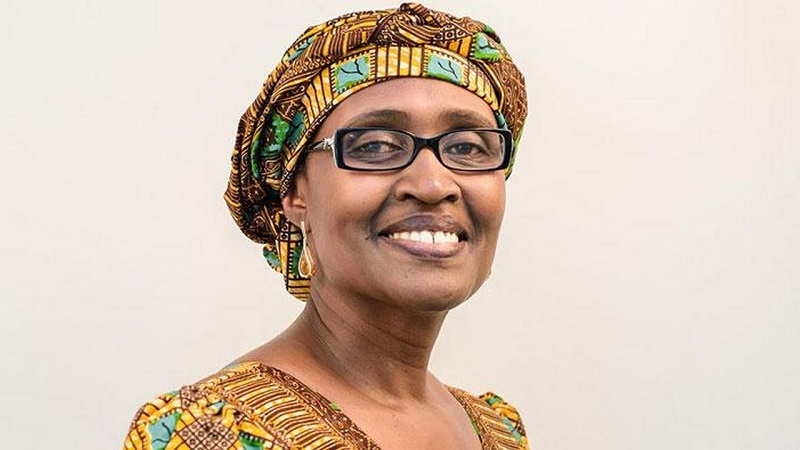
By Winnie Byanyima
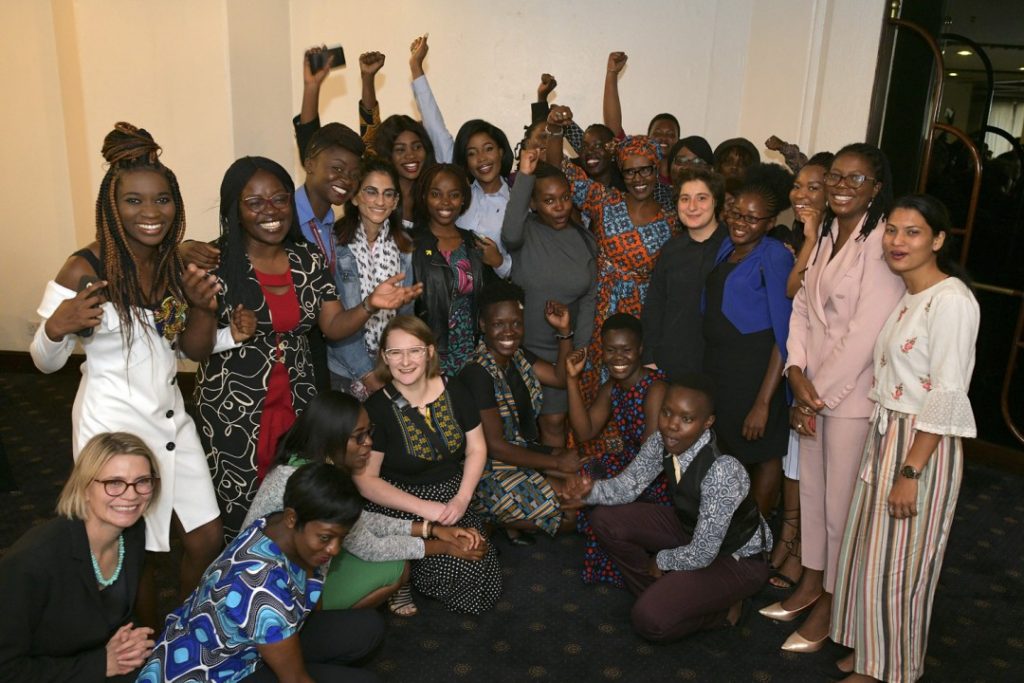
This morning I attended a meeting of the Global HIV Prevention Coalition and met with a group of women leaders. I felt so inspired and moved by their stories of resilience, courage and hope. But I also felt – I feel – a lot of anger. And I want you to feel angry too.
Let’s talk about how women and girls are infected with HIV. This is not a question about biology. It is a statement about inequality of power.
Women and girls are infected with HIV when they experience violence, and, often it is at the hands of someone they love and trust.
Women and girls are infected with HIV when their partners and their governments deny them control of their bodies and their right to sexual and reproductive healthcare.
Women and girls are infected with HIV when they don’t have access to the education and health services that they need to protect themselves.
When I first heard about HIV more than 30 years ago, I knew that women and girls would be the worst affected and the epidemic would rage on until we tackled gender inequality and gender-based violence. When I said this at the time, I was laughed at, told that I was always trying to make everything about women.
 Ruparelia Group Wins Key Entebbe Land Case, Clearing Path for the New Mega Speke Resort and Convention Centre, Entebbe
No one can laugh now, not when 6 000 women and girls are infected with the virus every week. So, what do we do now? Here are three basic steps to get us started.
First, we must include women and girls in all our discussions. I have been overwhelmed by the number of #whatwomenwant messages sent to me since my appointment. I have heard you on Twitter, now I want to hear you in all our meetings and workshops and down every corridor at UNAIDS.
Second, we must listen – really listen – to what women and girls want. Without the communities led by women infected and affected by HIV, we wouldn’t be where we are today in the AIDS response. They know what they are talking about.
Finally, we must get angry and we must fight for gender equality and women’s rights and against gender-based violence. We cannot afford to spend another 30 years failing women and girls. If we don’t put them at the centre of our response to AIDS, we will never end the epidemic.
The writer is The Executive Director of UNAIDS