
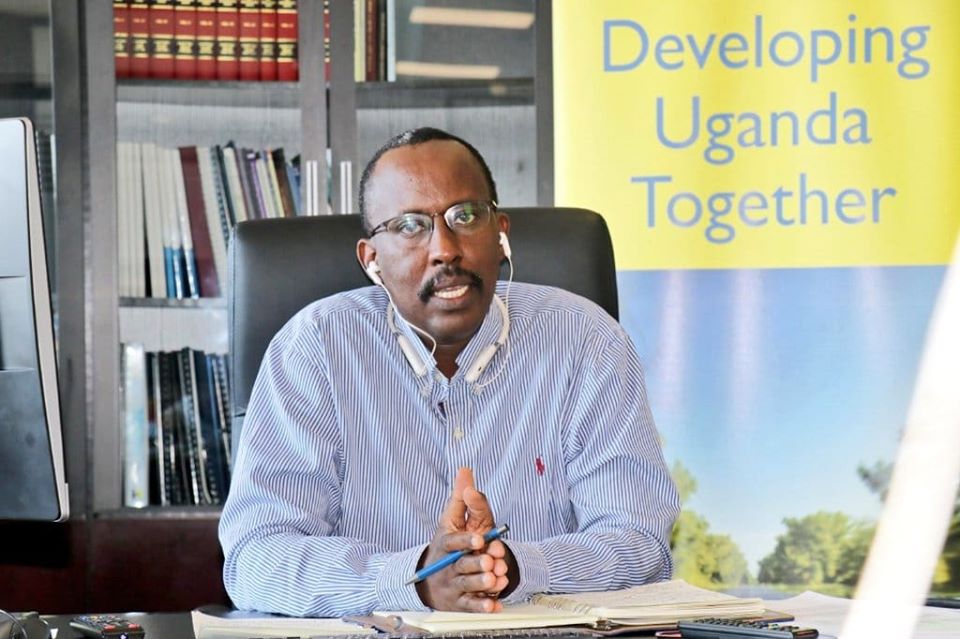
The Uganda Revenue Authority has proposed a tax on inheritance and excessive wealth, as the body seeks to widen the tax base and revive the economy from the effects of Coronavirus Disease.
The proposal was tabled by the URA Commissioner General John Musinguzi in his maiden appearance before the National Economy Committee of Parliament which is scrutinizing the effects of COVID-19 on businesses.
Musinguzi is optimistic that the wealth tax, will not only add to the national coffers but will also reduce income inequality in the country. He says this would address the growing accumulation of wealth into a very small number of hands.
Musinguzi also proposes inheritance tax, which he says is another way of taxing wealth. But, he notes, the potential for avoidance of this tax is very high especially through locating wealth offshore, but it would be feasible to levy presumptive inheritance taxes in the case of people known to be wealthy.
He says that currently, the effects of COVID-19 have been that the economically less well-off persons are suffering and businesses have been generally affected, yet trade in many developing countries is expected to take a nosedive in the second quarter of 2020, due to the unprecedented effects of the coronavirus pandemic.
“And also to look at other sources of tax like wealth tax which is practiced in other countries. There is also a proposal that we can look at inheritance tax. We can curb the allowable loan interests especially for foreign loans, a proposal that Uganda joins OECD inclusive framework which would help us in sharing information at the international level transparently and to deal with the vice or the challenges we face now in addressing international trade.”
Another proposal to raise revenue is a tax on loan interests and the reintroduction of the withholding tax on Agriculture trader’s supplies. This they propose should be a one per cent levy on middlemen trading and supplying agricultural products. URA also proposes a tax policy package for the digital economy looking at the fact that most businesses have now gone online.
Another proposal is to consider a surcharge on transactions through the commodity exchange, adding that Uganda is among the top 10 coffee growers and exporters in the world, but unlike Ethiopia there is no surcharge on these transactions.
Milly Isingoma Nalukwago, the Assistant Commissioner for Research and Planning at URA says that the proposals have been carefully studied and they have no doubt that they will do good to lift the economy.
Other non-tax measures proposed include; reconsideration of the bills addressing the rental tax package for businesses which would ensure one pays tax for each rental building separately; another proposal is to have more companies join the stock exchange as it will reduce the transfer pricing issues and repatriation of money.
They also propose solidarity charges by revising the tax higher on COVID-19 winners like Health, Telecom, Ecommerce and digital which have thrived during COVID-19.
Uganda Revenue Authority (URA)’s collections for the six months from July to December 2019 fell short of the target by at least 697.4 billion Shillings. The tax body managed to collect 9 trillion Shillings from July against the target of 9.7 trillion Shillings.
Commissioner General Pledges to Uproot Corruption
Meanwhile, Commissioner General John Musinguzi Rujoki says the Authority is firmly dealing with Corruption and will not tolerate any staff who exhibits corruption tendencies.
He said this before the same Committee which is currently reviewing the impact of COVID-19 on businesses.
The commitment came after committee members tasked Musinguzi on how he is dealing with the highly connected and sophisticated theft and corruption in URA. A number of them said that the Authority was failing to perform due to high levels of corruption.
Aswa County MP, Reagan Okumu narrated how he encountered a complex case involving a powerful government officer whose goods had moved into the country illegally, but was later cleared after he intimidated the entire tax body.
Musinguzi said that they had adopted a zero-tolerance standard for corruption and received information on some of the loopholes in tax administration. He added that the new team is introducing new measures to address the problem.
“We will definitely do our job firmly and with integrity and accountability. I am trying to receive as much information as possible so that if there is such an incidence and we will deal with it firmly because I know we have the highest support from our minister, from our President, to deal with integrity issues firmly and we will not allow anybody to be victimized for doing their work or to set such a wrong precedence because that was the really the highest abuse to the authority and to the function to which we were set up,” he said.
Uganda Revenue Authority has been marred with corruption scandals over time and although former commissioner Allen Kagina is credited for rooting out the vice, the Authority recently saw the exit of four senior Commissioners over allegations of waiving a tax of up to 195 billion Shillings during the sale of Sadolin to a Japanese paint firm Kansai paint.
President Museveni while addressing the Nation on the national budget day said he had sacked a corrupt group of people in URA, saying “There was a lot of corruption in URA, that one I have cleaned.