By Benard Mujuni
Gross Domestic Product (GDP) is defined as a total sum and measure of all goods and services produced and sold in a given time. The growth rate of GDP is often used as an indicator of the general health of the economy. One of the limitations of GDP is that it only measures income. Yet poverty is more than just lack of income. And in a country like Uganda, where the informal sector commands more than 67% of productivity, and is responsible for more than 80% of all employment, there is a clear likelihood that most of the productive aspects of the economy are discounted leading to the lost digits during GDP tabulations. Informal labour force according to Labour Participatory Study report stood at 47.02% in 2019 but moved to 48.67% in 2021.
In concrete terms, Uganda’s GDP is expected to be US$34.0 Billion. According to Uganda Bureau of Statistics (UBOS) 2019 and Word Bank, Uganda’s Poverty Gini-coefficient stood at 4.2 as of 2019. While the poverty gap stands at 3.20 $ a day. The Population in poverty was 20.3 percent down from 21.4 percent. The total population in poverty is 8.3 million. This number may go higher due to the effects of Covid-19 pandemic, which has reduced productivity of households as many people lost their jobs.
Some regions registered reduction in poverty levels, these include; West Nile (from 35 percent in 2017 to 17 percent in 2020); Bunyoro (from 17 percent to 10 percent); Teso (from 25 percent to 22 percent) among others.
On the other hand, others registered significant increase poverty levels. Regions where poverty increased are: Acholi (from 33percent in 2017 to 68 percent in 2020), Ankole (from 7 percent to 12 percent), Karamoja (from 60 percent to 66 percent), Lango (from 16 percent to 23 percent), Kigezi (from 12 percent to 28 percent), Tooro (from 11 percent to 13 percent), and North Buganda (from 11 percent to 14 percent).
The incidence of poverty has been decreasing but is persistently higher in rural than in urban areas. In rural areas, it was 34.2% in 2005/06 and 30.8% in 2016/17 compared to 13.7% and 15.2% in urban areas for the same period. The poor in the rural areas represent 31% of the population compared to 15% poor in the urban areas. The rural areas with about 76% of the population contribute 86% of poverty and urban areas, which represent 24% of the population, contribute 13.7% of the national poverty. (Employment Diagnostics Analysis Report (EDA) 2018). This has increased the level of vulnerability especially among the marginalized groups.
But is this a genuine reflection of the economy?
The mode of income distribution across the population indicates who benefits or misses out on the development opportunities available to the society. There has been a concerted debate on whether Uganda has attained the Middle-income status.
H.E President Yoweri Museveni is a strong proponent of Africa defining its own future and telling its own story. This can be found in his book “What is Africa’s problem?”. In his postulation, the President asserts that Africa must look inward for its internal challenges, thus homegrown solutions for its internal metamorphosis. A good example is now, democracy made in Kenya and the regional stability ushered in by the Uganda Government.
Uganda is endowed with a lot of tangible and intangible resources, which are not valued while tabulating the GDP ratios. It is a huge challenge even in government valuation processes while compensating displaced or resettled populations. Challenges such as loss of access to free water (lake) fishing rights, loss of intangible culture or social support, breakdown of voluntary saving groups, (economic), loss of free counselling services for Gender Based Violence victims when resettled elsewhere do not attract monetary value during compensations. People with Disabilities and the Elderly normally lose social/ community support when they are displaced or resettled, thus discounting their value or social capital net worth. Communities which are natural resource dependant and surrounding find themselves at loss and discounted when it comes to resettlement and displacement
The above debacle is what Uganda is experiencing regarding the use of GDP as a measure of progress to middle income status. It leaves out most sectors of the informal economy .
Uganda is endowed with the best blue economy which include rivers like Nile (over 50 rivers ), lakes (over 200 lakes), the snow capped Rwenzori and the green economy to include over 16 National conservation areas and parks will all the big five, the mountains (over 10), several forests that rank amongst the best such as Bwindi Impenetrable forest. Uganda has the best green covers in Africa, if not the world with warm and balanced weather incomparable to any other country. These have value
The country is endowed with three rain seasons and fertile soils that have nourished its people from time immemorial. It is believed that the first human being evolved from this great country, to migrate North and Southwards, as our African positioning is strategically central to have aided and enabled resultant migration millions of years ago. This can be found in the pyramids discovered in Sudan and Egypt along the Nile River and the commonality of verbs and nouns in the other African regions with those of Uganda.
 Stanbic Accelerates Uganda’s Digital Future with “Kikole Ku Speedii” Campaign
Joseph Eugene Stiglitz, the American celebrated economist in his book “The price of inequality” castigated the sheer lack of a right formula to tabulate poverty, disparity and inequality. This leads to lowered growth and less economic efficiency in capturing real time data for purposes of development. He stipulates that the wealthy countries should realise that it is in their interest to make sure that everybody in our society does well and that the gap between the rich and the poor is addressed and does not continue as it has. Inequality was exacerbated by slavery to say the least. Discounting its measure of African progress can be equated to a ploy to keep Africa behind.
There is another resource this country has in its people. Ugandans according to the National Development Plan III have developed a resilient mechanism to address social risks and protection challenges. These include the fact that poverty is not lack of income in this country and nearly African countries. Even without hard cash and money, one can survive on social capital. Uganda has over 13 million workers in informal labour. The economy largely depends on social capital for its vibrancy, which is not captured during the GDP analysis. Social groups such as self-help can leverage on lack of cash and create assets which individuals’ accesses to mitigate social economic works. A good example is how people contribute for weddings or funerals while in the West, it is largely via markets through insurance.
Uganda is food secure. The only challenge is its equitable distribution. Equitable access and storage banks should ease shortages to those most in need like Karamoja famine where government reacted to avert the crisis. It is only in Uganda where a neighbor can call you to eat with their family free of charge as part of culture.
Uganda is endowed with Oil and Gas deposits in multi-dollar Billions that when aggregated in terms of wealth, the assets we possess far out weigh the liabilities as stipulated by World Bank and sister agencies. Besides oil and gas, the country has other minerals such as gold. Tantalite, copper and more earth minerals in the Central East and Western parts of the Country estimated in trillions of dollars.
GDP is a measure of society’s standard of living but largely does not as a rough indicator account for leisure, tranquility, environmental quality, increases in innovative technology and even the positive effects of digital media information flows to the Nation. For instance, factors outside the market system such as happiness are not sold anywhere yet it contributes to the wellbeing of the society.
According to Prof. Geoffrey Sachs, if inequality in society as measured by GDP per capita rises by say 8%, it could be that some other people’s GDP has risen by either a higher margin or a lower margin or even declined.
The fact that GDP per capita does not fully capture the broader idea of standard of living has led to the concern that increases in GDP over time are illusionary. It is also true that while GDP is rising, the standard of living of people could be deteriorating, increasing inequality at the end. GDP itself can easily discount other factors such as the resources related to the strategic pivotal nature of Uganda as a regional transport and food hub power, later on the contribution to regional stability and security at large.
The contribution of Uganda, as President Museveni said towards regional peace and stability is not captured by the GDP. Uganda has enhanced peace and stability in its neighbourhood to wit, Somalia, South Sudan, DRC and to a large extent Burundi and Rwanda. These have a price to pay in the development processes of Uganda and our neighbours at large. While quantifying the GDP contribution margins, such huge investments are not quantified or given as a contribution margin
It is vital to realise that the middle-income status should be directly correlated with a country’s entire resource envelope. These should be weighed against any potential risks and liabilities just like in any business to reach at and equitable outcome. Given equitable share of and management of our resources, Uganda could easily be or reach Middle Income status . The biggest challenge however is how these resources in all sectors are equitably distributed to Ugandans.
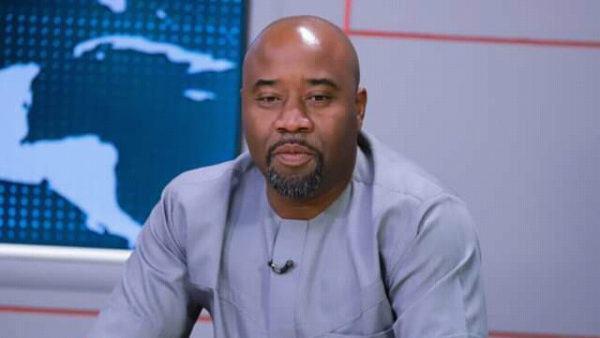
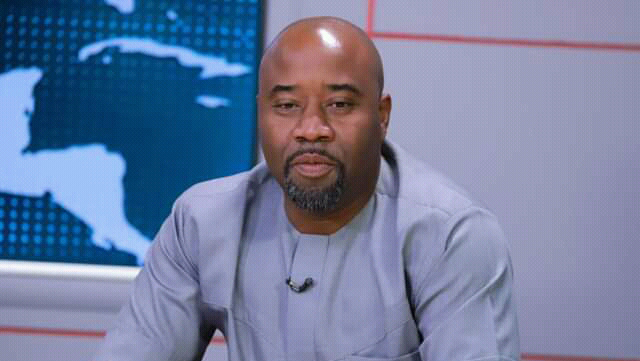
Benard Mujuni is a Legal, Policy and Social Capital Specialist
benardmujuni@gmail.com