
By Silvia Nyambura
Uganda has a strategy aimed at expanding access to sustainable energy in line with the United Nation’s (UN) Sustainable Development Goals (SDGs). Components of this strategy are encompassed in the Sustainable Energy for All program championed by the Ministry of Energy and Mineral Development under the Commission for Energy Efficiency and Conservation Department (CEECD). It targets to double access to energy by 2030, increase energy efficiency as well as increase use of renewable energy.
The Paris Agreement on Climate Change came into effect on 4th of November 2016 and renewable energy was part of Uganda’s pledge in its Intended Nationally Defined Contributions (INDCs). Currently, according to power utility company Umeme, Uganda has an electricity penetration rate of about 15%, over 60% of which covers the country’s urban areas. The Ministry of Energy however estimates this figure is higher at 17%.
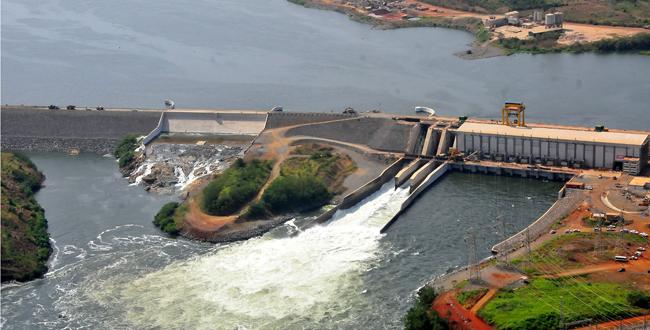
The country is heavily reliant on hydropower accounting for 82% of all electricity generated. Total installed capacity currently stands at 865 Mega Watts (MW) with Karuma and Isimba power plants expected to add about 800 more MWs to the grid. Other energy sources available include biogas and thermal diesel. The country also has alternative energy sources such as solar and wind but awareness among the populace has remained low affecting uptake of the same. In addition, funds to generate this clean energy projects are unavailable.
“There is US$ 350 million set aside every year for developing countries to support renewable energy. However the red tape involved in accessing this money is too much so we end up not developing potential projects,
