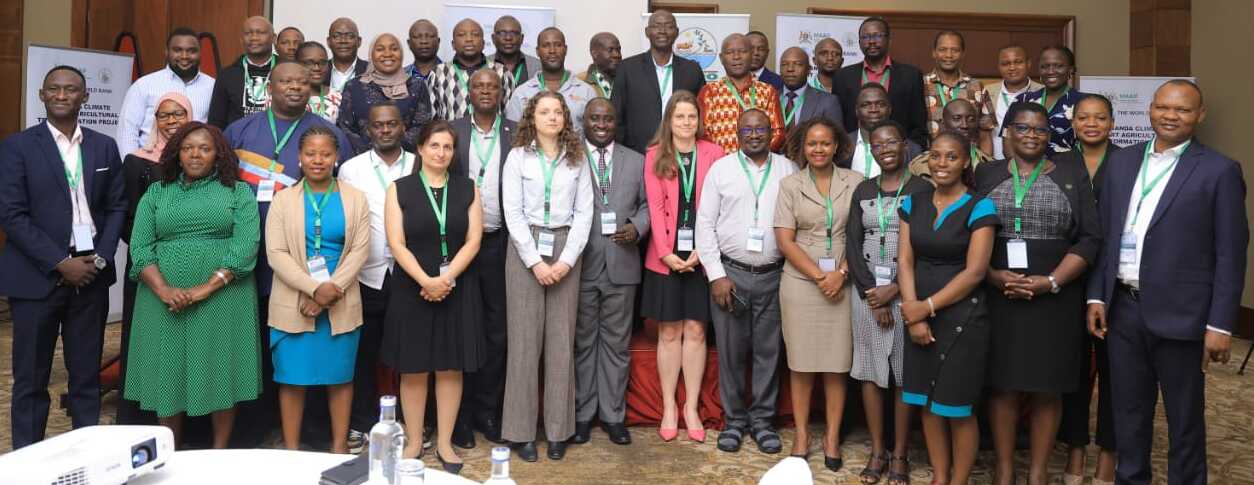
Uganda has taken a significant step toward addressing climate change by initiating efforts to develop a national system for measuring livestock greenhouse gas emissions.
This move was highlighted during a stakeholder workshop held from April 7 to 8 at Sheraton Hotel in Kampala.
The meeting, convened under the Uganda Climate Smart Agriculture Transformation Project (UCSATP), brought together government officials, scientists, development partners, and farmers to tackle the growing challenge of livestock emissions and their impact on the climate.
Central to the discussions was the establishment of a Livestock Monitoring, Reporting, and Verification (MRV) system.
This system will enable Uganda to accurately track emissions from livestock and fulfill its international commitments under the Paris Agreement.
Experts note that such a system is long overdue in a country where agriculture remains both an economic backbone and a major source of greenhouse gases.

According to World Bank agricultural economist Dr John Ilukor, livestock contributes approximately 20% of global emissions through processes such as enteric fermentation and manure decomposition.
In Uganda, these emissions are intensified by traditional farming practices and limited data on their scale.
“Uganda needs to monitor these emissions not only for reporting but also to tap into emerging carbon markets,” Ilukor said.
He added that a national MRV system could unlock carbon financing opportunities while guiding climate-smart interventions.
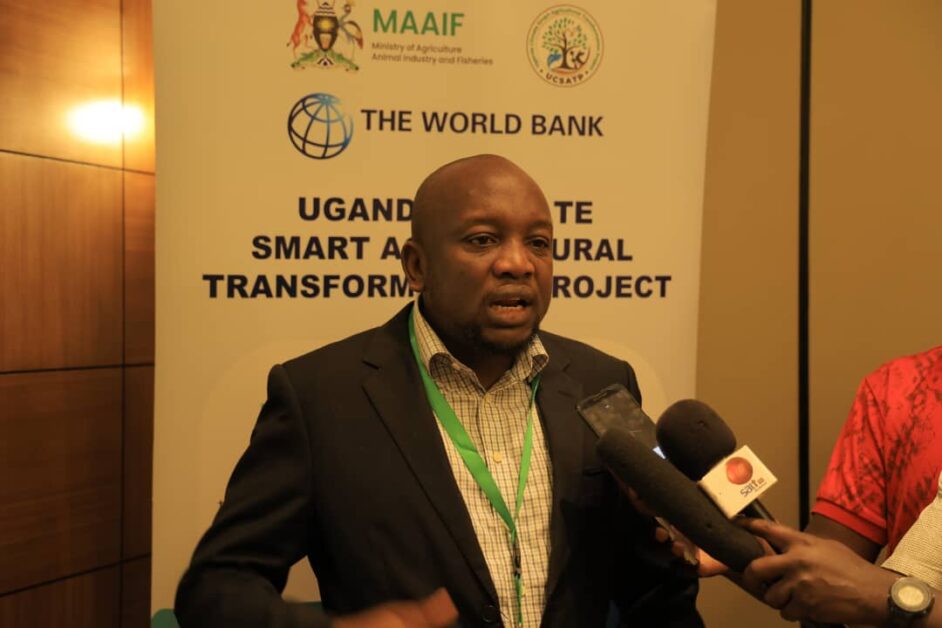
Dr Ibrahim Wanyama of the International Livestock Research Institute highlighted manure as both a challenge and an opportunity. While it is a significant source of nitrous oxide, a potent greenhouse gas, proper management can transform it into valuable fertiliser.
Through ongoing research in southwestern Uganda, Wanyama and his team are exploring practical solutions such as composting, improved storage, and innovative approaches like vermiculture, using manure to grow protein-rich worms for animal feed.
These strategies aim to reduce emissions while enhancing farm productivity.
“We are looking at a win-win situation where farmers benefit economically while emissions are reduced,” he said.
 Fraud Alert: Fake Sudhir Ruparelia Accounts Increase on X, Raising Cybersecurity Concerns
The effects of climate change are already being felt across Uganda’s cattle corridor, which spans nearly half the country. Farmers are facing erratic weather patterns that disrupt feed availability, reduce milk and meat production, and slow animal growth.
Dr Joseph Kagoro Ruhinda, CEO of the Uganda Meat Producers Cooperative Union, emphasized the importance of livestock to rural livelihoods.
The sector supports an estimated 71% of households and contributes about 4.5% to the national GDP.
“As farmers, we must be part of the solution, but we also need support to adapt,” he said, calling for investments in improved animal nutrition, better breeds, and efficient manure management systems.
A key theme emerging from the workshop was the need to balance emissions reduction with livelihood protection. Experts suggested that maintaining fewer, healthier, and faster-growing animals could significantly reduce emissions intensity while increasing farmers’ profitability.
The proposed MRV system will require coordinated efforts among institutions such as the Ministry of Water and Environment, the National Agricultural Research Organisation (NARO), and academic bodies like Makerere University.
It will also demand investment in data collection, technical capacity, and digital tools to capture emissions at the farm level, an area currently lacking in Uganda.
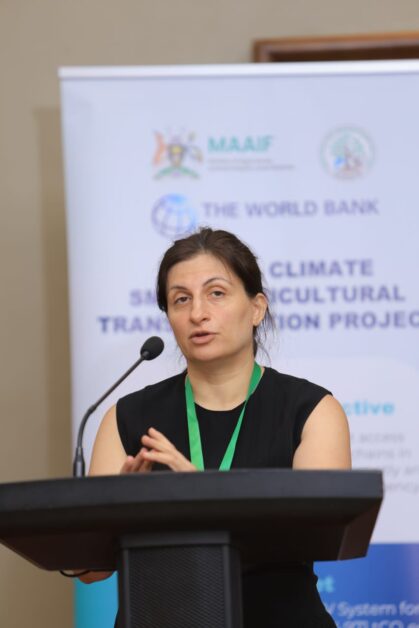
Prof Samuel Majalija of the National Livestock Resources Research Institute (NaLiRI) highlighted the scientific complexity involved, noting that emissions vary based on feed quality, animal movement, and management practices.
He stressed the importance of generating accurate local data to design effective interventions.
The workshop is expected to produce a roadmap for establishing the MRV system, including identifying data gaps, strengthening institutional coordination, and outlining investment priorities.
Organisers anticipate that a functional system could be in place by the end of 2026.
Ultimately, stakeholders emphasized that this initiative goes beyond a technical exercise; marking a turning point in how Uganda understands and manages the environmental impact of its livestock sector.
As the country balances climate challenges with economic development, the success of this effort could determine whether Uganda’s livestock industry becomes part of the problem or a model for sustainable solutions.